
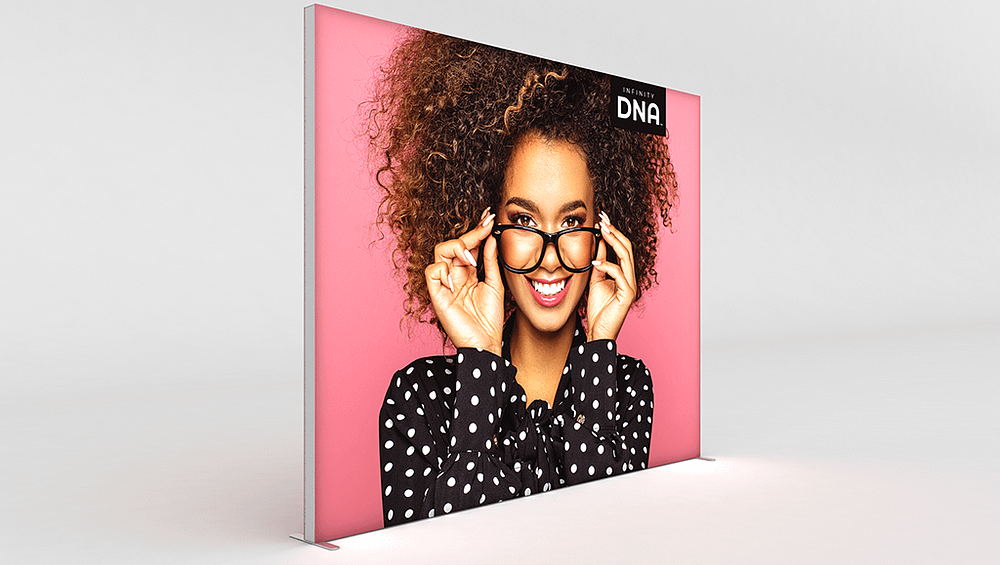
Outdoor events across Australia increasingly rely on Fabric Banners to deliver high-impact branding, yet many organisers underestimate how quickly the elements can damage them. Under extreme UV levels, sudden southerlies and unpredictable rain, even premium fabrics can deteriorate faster than expected. What begins as a sharp, professional display can quietly become faded, distorted or even unsafe over the course of a single campaign. Recognising these risks early is essential for planners who need signage to perform reliably from bump-in to pack-down.
Why outdoor fabric signage struggles in Australian conditions
Australia’s climate exposes every weakness in banner design, from fabric choice to finishing details. Polyester and mesh options that look ideal indoors can fade rapidly without UV-stable inks and coatings tailored to local conditions. On coastal sites or exposed showgrounds, wind gusts put intense pressure on stitching, eyelets and frames supporting outdoor tension fabric signage. When these components are under-specified, banners stretch, tear or twist out of view just as crowds arrive and sponsors expect maximum visibility.
Subtle warning signs event planners often miss
Problems with fabric signage rarely appear overnight; they build through small, easy-to-miss changes. Early fading along the top edge, frayed hems or distorted graphics are all red flags that materials are not coping with site stresses. Uneven sagging, especially on larger pieces like large format fabric event signage, can signal that support structures are too light for the job. Constant flapping, loud rustling and repeated need for cable-tie “quick fixes” suggest that wind loading was underestimated at the planning stage.
The real cost of underperforming fabric banner installations
When banners fail, the impact goes well beyond appearance. Sponsors paying for prominent placement expect sharp, legible branding, not Fabric Exhibition Banners that are washed-out or half-obscured behind barriers. Safety is another concern: torn corners, loose ties or collapsing frames can create trip hazards or airborne debris in crowded spaces. Frequent reprints, emergency re-rigs and last-minute hire of weather resistant fabric banner stands quickly erode event budgets and staff time, compounding the original planning mistakes.
- Fading or colour shift on key logos and sponsor messages within a single season
- Stretched eyelets, torn hems or panels pulling away from frames under wind load
- Banners repeatedly re-tensioned, moved or taped down during the event
- Frames for lightweight portable banner walls flexing, leaning or rattling in gusts
- Event staff resorting to ad-hoc fixes instead of following a clear installation plan
For organisers, the bigger risk is normalising these issues as “just what happens outdoors” instead of addressing their root causes. In reality, smarter specification can greatly improve the performance of Portable Fabric Displays, Tension Fabric Displays and custom printed fabric backdrops in open-air venues. Mesh options for windy sites, reinforced corners on double sided fabric display panels and correctly rated fixings all extend service life. Choosing reusable fabric graphics for events also reduces waste and helps justify higher-quality materials and hardware.
As outdoor programs become more complex, from regional festivals to modular portable fabric booths at touring exhibitions, planning for durability is no longer optional. Before your next season, review how your Fabric Banners are performing under real Australian conditions, document recurring failures and consult a signage specialist about options like weather-smart mesh, upgraded frames or portable fabric displays better suited to your key venues. Taking advice now can prevent avoidable damage, protect sponsor relationships and ensure your outdoor branding stays sharp from first guest to final pack-down.


