
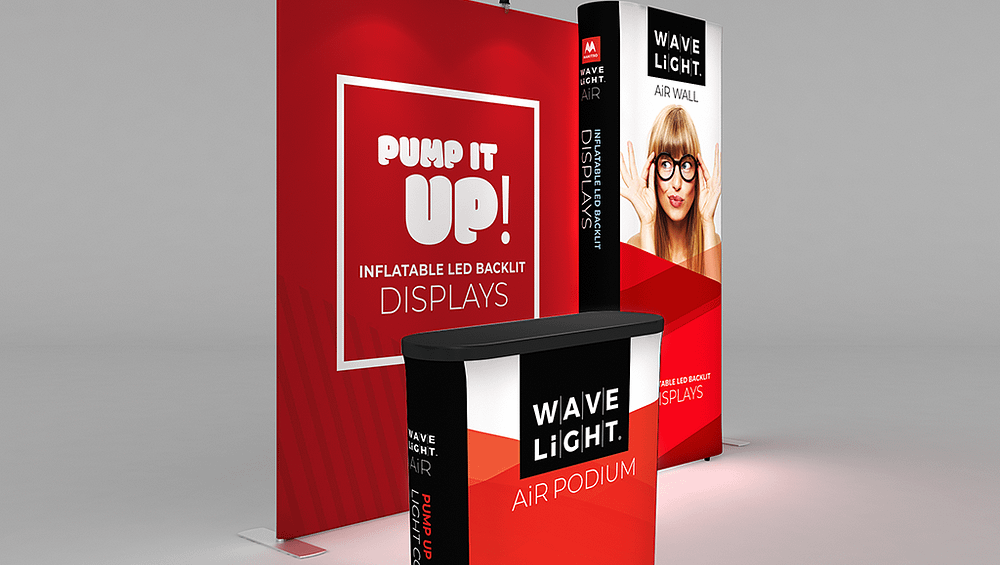
In Australia’s crowded retail, expo and festival circuits, fabric-based signage is often treated as an afterthought, despite its growing strategic value. As we move through 2026, brands that ignore modern Fabric Banners risk flat visuals, operational waste and missed chances to create immersive experiences that actually cut through. The problem is not just old hardware; it’s a lack of awareness about what contemporary fabric systems can do.
Why Fabric Banners Matter in 2026
Fabric signage has evolved from basic pull-ups to lightweight, high-impact environments that photograph beautifully for social media. Unlike traditional vinyl, textiles offer softer finishes, less glare and better colour consistency under mixed lighting, which is crucial for influencer-heavy events and product launches. When Australian brands default to rigid panels instead, they forgo the flexibility to tour campaigns, adapt layouts and reuse messaging across different venues without major refits.
Common Signs Your Fabric Displays Are Underperforming
Warning signs start with banners that wrinkle, sag or distort whenever they are moved or rehung, undermining even the strongest creative concept. Another red flag is single-use event signage that goes straight to landfill after a weekend activation or trade fair. If ceiling voids, entry zones and window lines sit empty while floors are cluttered with heavy frames, it’s likely you are missing chances to introduce fabric hanging exhibition signs that deliver impact without congestion.
Causes: Habits, Assumptions and Outdated Systems
A key driver of underperforming fabric signage is treating it as a late-stage print task instead of an environment to be intentionally designed. Teams often recycle outdated artwork that doesn’t suit Tension Fabric Displays or curved portable fabric backdrops, then wonder why messaging looks cramped or distorted. Another issue is assuming all textiles behave the same, ignoring specialist solutions such as double sided fabric graphics for thoroughfares or backlit fabric banner stands for darker venues and evening events.
- Relying on single-use Fabric Exhibition Banners that can’t be reconfigured or toured across multiple states.
- Using Portable Fabric Displays without considering how they photograph under spotlighting or phone flash.
- Ignoring modular tension fabric walls that could replace multiple heavy, hired structures at conferences.
- Overlooking large format fabric murals to define zones within open-plan show floors or shopping centres.
- Sticking with rigid booths instead of collapsible fabric trade show booths that cut down freight and install time.
When these patterns go unchecked, brands pay for it in lost attention, higher logistics costs and weaker sustainability credentials. Missed opportunities now extend to fabric step and repeat backdrops for media walls, or fabric-based AR triggers that activate extra content via visitors’ phones. If colour varies from batch to batch, frames take hours to assemble, or staff avoid refreshing layouts because it feels “too hard”, it may be time to rethink your approach before the next campaign cycle locks in more of the same.
Forward-looking Australian marketers are already experimenting with immersive fabric installations, from modular pop-up structures to seamless fabric exhibition streetscapes. By speaking with large-format specialists who understand Portable Fabric Displays, backlit systems and touring kits, you can assess whether your current setup is silently holding you back. Now is the moment to audit your event and retail environments, identify weak spots, and seek expert guidance so your next rollout uses fabric intelligently rather than repeating 2023’s mistakes.


