
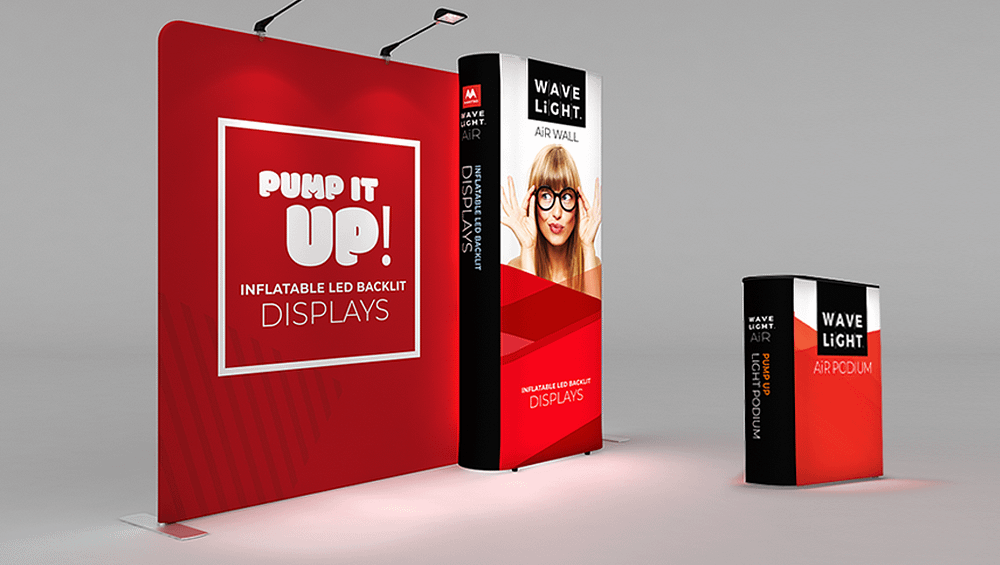
Eco-conscious event organisers and marketers across Australia are increasingly seeking Fabric Banners that minimise environmental impact without compromising visual quality. Eco-friendly fabric signage focuses on reduced energy use in production, lower reliance on virgin plastics, safer inks and coatings, and better end-of-life options such as recycling or composting. Understanding these factors helps businesses make informed choices that align with sustainability targets while still achieving strong, professional branding.
Eco-friendly materials for fabric banner printing
One of the most popular sustainable materials is recycled polyester, often labelled rPET, which is manufactured from post-consumer plastic bottles. This process typically uses less energy than producing virgin polyester and helps divert waste from landfill. Natural fibres such as cotton, organic cotton, bamboo and hemp can also be used for environmentally conscious banner fabrics. Hemp and bamboo grow quickly, require relatively low water use and often need fewer pesticides, supporting greener sourcing and reduced agricultural impact.
Performance of eco-conscious banner fabrics in real use
Australian conditions can be harsh, so durability is crucial when comparing eco-friendly substrates. Recycled polyester performs well outdoors as it is lightweight, tear-resistant and suitable for repeated installations, which reduces the need for frequent reprints. Natural-fibre options, including cotton and hemp, offer excellent colour reproduction for indoor exhibitions, conferences and retail displays. However, they tend to provide less resistance to UV exposure and moisture than synthetics, making them better suited to indoor or sheltered settings rather than long-term outdoor campaigns.
Balancing sustainability, practicality and cost
Choosing sustainable signage materials requires a full life-cycle perspective rather than focusing only on fibre content. Recycled polyester can still shed microplastics through wear and weathering, yet its durability and recycled content often make it a pragmatic compromise for Tension Fabric Displays and outdoor branding. Natural fabrics may be biodegradable in the right conditions, but they can involve higher water use and increased initial cost. Many businesses adopt a blended strategy, reserving synthetic recycled banners for long-term external use and natural textiles for indoor or short-term activations.
Questions to ask your banner supplier
Before ordering new Fabric Banners, clarify the intended lifespan, whether they will be used indoors or outdoors, and your preferred disposal or recycling pathway. Ask your supplier about the percentage of recycled content, any certifications such as OEKO-TEX or GOTS, and whether they support take-back programs for recycled fabric trade show walls or other systems. It is also worth confirming print methods, including suitability for double sided fabric graphics and wrinkle resistant exhibition fabrics, as these affect both appearance and longevity.
Australian organisations planning trade shows, conferences or in-store campaigns can further reduce waste by choosing Portable Fabric Displays that are washable reusable display skins and compatible with modular portable banner kits. For instance, a business might invest in lightweight hanging fabric signs and large format fabric backdrops for repeated tours, updating only the skins as campaigns change. This approach also works well for Fabric Exhibition Banners and sustainable tension banner stands, which can be re-skinned rather than discarded. To understand which eco-friendly option suits your next project, speak with a signage specialist who can guide you through materials, lifespan and reuse potential.
For tailored guidance on selecting eco-friendly fabrics, printing methods and reuse strategies for your next display, consider consulting an expert who can assess your event schedule, budget and sustainability goals. A short discussion can help you compare material options, clarify maintenance requirements and plan responsible end-of-life pathways so your signage works harder and lasts longer.


