
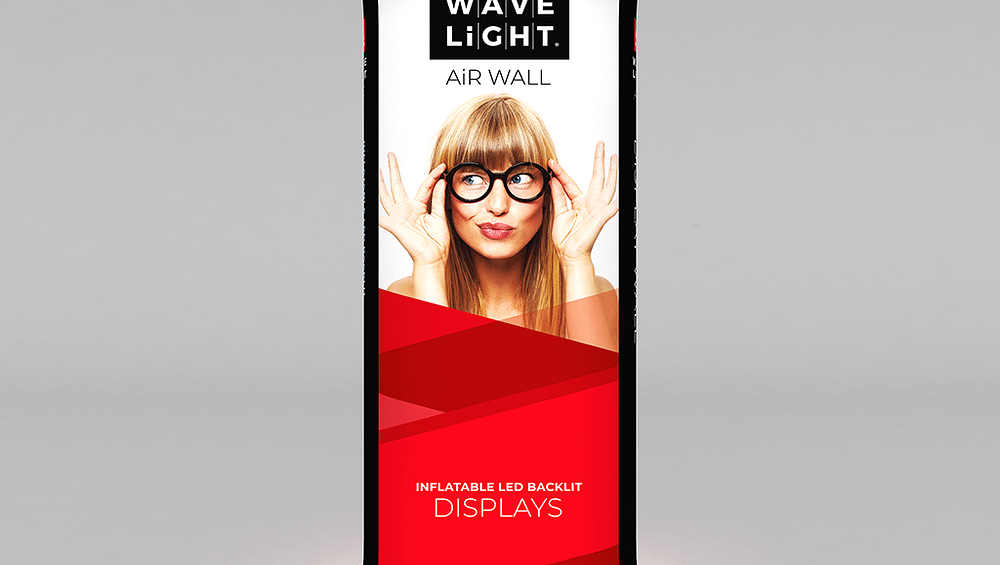
The future of retail marketing in Australia is increasingly illuminated—literally. Illuminated Fabric Banners are emerging as a powerful medium for retailers seeking to cut through visual clutter, modernise store environments, and respond quickly to shifting promotional calendars. By combining LED lightboxes with premium fabric graphics, these systems provide a cinematic canvas that elevates brands while supporting operational efficiency and sustainability targets.
In a climate of rising costs and intense eCommerce competition, illuminated fabric displays give Australian retailers a rare advantage: high-impact storytelling that remains agile, reusable, and data-informed.
The strategic role of illuminated fabric displays in Australian retail
Illuminated fabric displays now sit between static print and full digital signage, offering theatre without the complexity of screens, software, and constant content production. For multi-site retailers, this middle ground is commercially critical, enabling national rollouts that are visually consistent yet relatively simple to deploy. Reusable aluminium frames and dye-sublimated textiles also support ESG commitments as boards scrutinise waste and embodied carbon from traditional point-of-sale campaigns.
Why illuminated fabric displays matter now
Several structural trends are converging. As eCommerce reshapes shopper expectations, physical stores must justify the visit by delivering immersive, memorable experiences. Backlit Fabric Displays help anchor those experiences, creating focal points that guide traffic flow and highlight high-margin categories. With global demand for LED systems forecast to almost double over the next decade, Australian retailers that invest early can secure supply, develop internal capability, and negotiate better long-term commercial terms.
From static signage to connected storytelling ecosystems
The next wave of Lightbox Fabric Banners is defined by integration rather than hardware alone. Progressive retailers are pairing illuminated canvases with motion sensors, QR journeys, and loyalty apps to create measurable “moments that matter”. In practice, this can mean LED Exhibition Lightboxes that trigger tailored offers, or double-sided backlit fabric walls that frame AR try-on zones. The value lies in using consistent physical structures as stable anchors for evolving digital and data-led experiences.
Looking ahead, the most effective programs will treat illuminated systems as modular illuminated display systems rather than one-off décor. Networks of freestanding led fabric lightboxes, ceiling-suspended fabric light panels, and retail window fabric lightbox displays can be planned as a cohesive media channel, with content calendars aligned to above-the-line campaigns. By testing creative variations across large format textile light walls or edge-lit fabric graphic frames, teams can link store analytics to design decisions, refining each national rollout.
For Australian retailers, the imperative is to move from ad hoc trials to a deliberate illuminated display strategy. That means auditing current POS, defining priority zones, and deciding where portable led backlit banner stands or other illuminated formats can most efficiently drive traffic, dwell, and basket size. To explore what this could look like in your network, engage a retail display specialist, review your current visual merchandising program, and map where Illuminated Fabric Banners can deliver the greatest uplift in both customer experience and ROI.


