
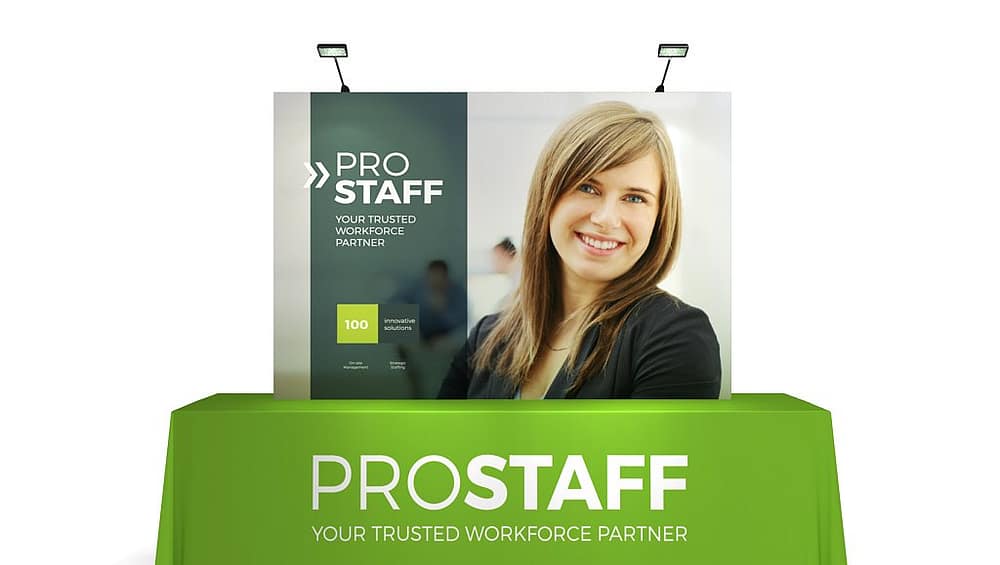
Engaging Customers: Best Practices for Tabletop Product Demonstrations
Recognising the hidden risks in tabletop demonstrations
Across Australian trade shows and in-store activations, tabletop product demonstrations are often treated as an afterthought. Retailers wheel out a trestle, drop on a cloth and hope the product does the rest. Yet research showing demos influence most purchase decisions highlights how easily poor Tabletop Displays & Covers can quietly erode marketing budgets. When your surface looks cluttered or cheap, passers-by assume the same of your brand, long before staff can begin a conversation.
How weak layouts quietly lose customers
The most common problem is flat, low-impact layouts that disappear in busy venues. Products sit at the same height, with no stands or levels, so people three or four rows back simply can’t see. In crowded aisles, a more considered trade show table presentation layout is often the difference between a curious pause and a glance that slides straight past. Over time, this lack of visibility translates into fewer demonstrations, weaker recall and lower conversion.
Warning signs your tabletop setup is underperforming
Several cues suggest your current approach is holding you back. Shoppers slow down, glance over, then walk on without asking questions. Staff complain they are constantly tidying instead of demonstrating, or they struggle to fit everything onto Portable Table Displays in a way that makes sense. Visitors saying the stand is “hard to see” or “a bit messy” are signalling that the layout, not the product, is the obstacle.
- Displays that look different at every event, with Branded Table Covers, signage and samples rarely matching.
- Tables overloaded with stock instead of a focused tabletop product sampling station and clear hero products.
- Reliance on last‑minute props and small-booth tabletop demo ideas that confuse your core message.
- No support elements such as portable tabletop display backdrops to frame your logo or key benefit.
- Cramped spaces where a tabletop kiosk for limited space has not been planned to guide traffic flow.
These issues are amplified in the Australian market, where beauty, beverage and tech brands compete for attention in the same hall or centre. Misconceptions that “the product should sell itself” or that branded table throws for demos are a luxury ignore how quickly people judge professionalism. In contrast, coordinated Tabletop Exhibition Displays that mirror coordinating floor and tabletop displays make it easy for visitors to understand who you are and why they should stop.
If these warning signs feel familiar, it may be time to review how your team plans each interactive tabletop product display setup, from table size and lighting to messaging hierarchy. Intentional design does not need to be extravagant, but it should be deliberate, consistent and easy for staff to execute under pressure. Before your next event, assess whether your current approach supports or sabotages engagement, and consider speaking with an expert to refine your tabletop environment so every demonstration has a fighting chance to perform.