Trade show floors are crowded and unforgiving, and poorly installed Fabric Banners can make even strong brands look unprofessional. A smart installation strategy is essential if you want to capture foot traffic, meet Australian venue rules and convert stand visitors into qualified leads. These seven best practices will help your team present a polished, high-impact display at every event.
1. Plan Your Stand Layout for Clear Sightlines
Start with a scaled floorplan showing neighbouring exhibitors, main aisles and entry points, then map where each banner will sit. Prioritise visibility from key approaches and keep hero messages at eye level so they’re instantly legible in busy aisles. Mark power points, rigging options and any height limits set out in the exhibitor manual. This planning reduces bump-in stress and helps you decide where Tension Fabric Displays or other statement pieces will work hardest.
2. Match Hardware to Australian Venue Conditions
Hardware choice can make or break your display’s stability and compliance. Invest in aluminium frames, weighted bases and systems rated for indoor exhibition use, rather than generic budget stands. In larger spaces, consider Fabric Exhibition Banners that integrate seamlessly with hired walls or shell schemes. Confirm maximum structure heights and fixing methods with the organiser ahead of time so there are no surprises during safety inspections.
3. Nail Tension, Alignment and Print Quality
Wrinkled, sagging graphics undermine trust in your brand, particularly in high-value B2B environments. During installation, work from one corner, gradually feeding fabric into tracks or clips while checking for even tension. Step back regularly to align straight edges with floors or walls, and adjust before locking frames off. When specifying your system, look for Portable Fabric Displays that support re-skinning, so you can refresh creative without replacing hardware every season.
4. Use Lighting to Boost Colour and Readability
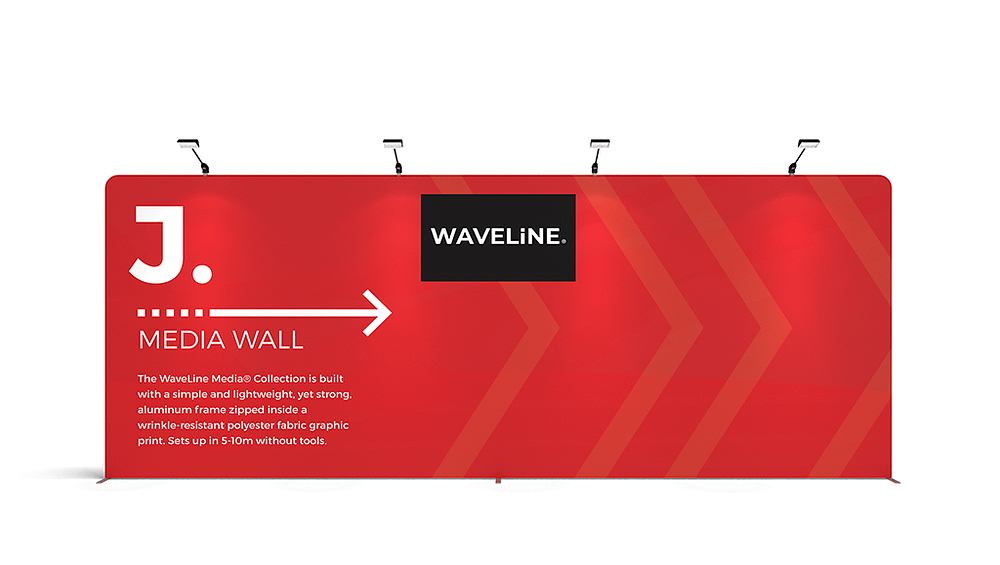
Exhibition halls are notorious for patchy, flat lighting that can drain colour and contrast from your graphics. Add clamp-on spotlights, integrated LEDs or backlit panels to lift vibrancy and make headlines easy to read from a distance. Avoid glare on glossy logos by angling lights slightly off-centre and testing from the aisle. For larger builds, modular tension fabric backdrops with inbuilt lighting can provide an evenly lit brand canvas.
5. Design for Safety, Flow and Visitor Comfort
Every Australian venue enforces strict rules on trip hazards, aisle encroachment and overhead structures, and non-compliance can shut your stand down. Keep bases inside your footprint, tape or ramp any cabling and avoid sharp corners at pedestrian height. Where you’re building a large format fabric backwall, ensure it’s braced and ballasted for crowd conditions and air movement. Good layout also considers visitor flow, with clear entry points and space for private conversations.
6. Integrate Lead Capture into Your Banner Strategy
Think beyond brand awareness and use your banners to drive measurable outcomes. Place calls-to-action near product zones, demo areas or meeting tables, guiding visitors towards QR codes, booking screens or staff. Double-sided fabric banner stands can segment messaging for passers-by versus engaged prospects already inside the stand. For more immersive spaces, trade show fabric wall kits and lightweight portable fabric booths can house digital touchpoints and sample stations.
7. Protect, Reuse and Optimise After Every Event
Careful pack-down extends the life of your custom printed fabric graphics and keeps colours consistent across campaigns. Allow any condensation or rain exposure to dry, then roll or fold loosely as per the manufacturer’s guidance before storing in a cool, dry place. Track which messages, offers and Fabric Banners attracted the most scans or conversations so you can refine creative. Over time, hanging fabric exhibition structures and collapsible fabric display frames can be mixed and matched for different stand sizes.
- Clarify your objectives and target audience before booking stand space.
- Confirm venue regulations on heights, rigging and electrical well in advance.
- Create simple, hierarchy-led messaging that’s legible from several metres away.
- Train staff on installation, safety checks and basic troubleshooting.
- Capture performance data after each show to guide future stand investments.
If you’re planning a national events program and want reliable, high-impact fabric solutions for your next exhibition, speak with our display specialists today to plan a tailored system and request a detailed quote.