
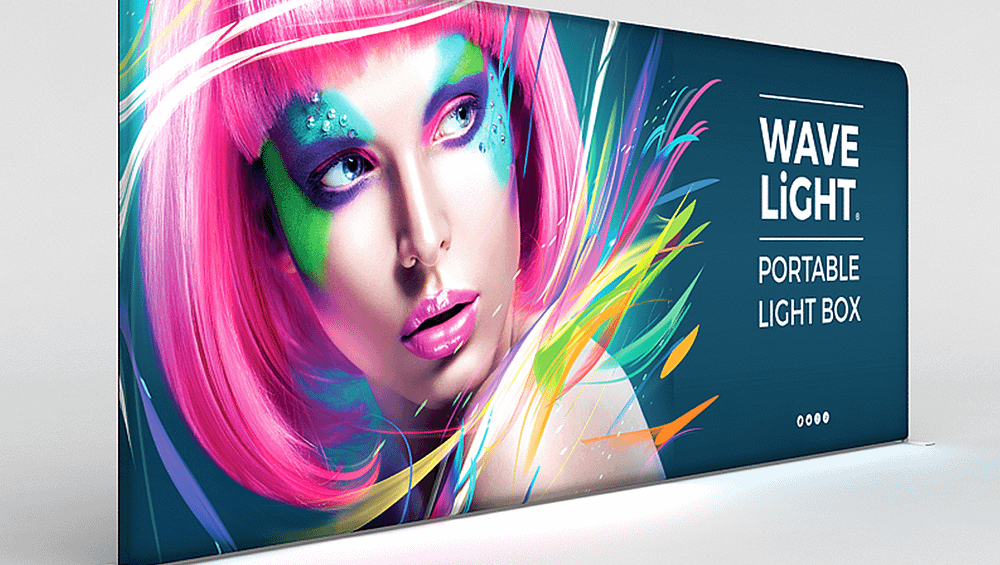
Illuminated Fabric Displays: A Guide to Eco-Friendly Options
Illuminated fabric displays and the push for greener branding
Illuminated fabric displays are reshaping how Australian brands balance visual impact with environmental responsibility. As sustainability teams tighten ESG reporting and marketing budgets come under scrutiny, decision-makers are asking whether every sign, stand and lightbox can justify its footprint. Illuminated fabric displays sit at the centre of this conversation, offering a path away from power-hungry lightboxes and PVC-heavy signage. For retailers, exhibition managers and experiential agencies, understanding the technology behind these systems is now as important as the creative that sits on them.
How illuminated fabric displays work – and why LEDs matter
Modern illuminated fabric displays pair tensioned fabric graphics with low-energy LED strips or modules hidden inside slimline frames. Compared with traditional fluorescent tubes, quality LED systems can use up to 85 per cent less energy and last dramatically longer, cutting both power bills and replacement waste. In practice, that means national retail networks and frequent exhibitors can run campaigns for longer periods with a smaller carbon footprint. When deployed at scale across shopping centres, airports and events, even marginal efficiency gains translate into measurable energy savings.
- LED modules with high energy efficiency and long rated lifespans
- Aluminium frames using high recycled content and full end-of-life recyclability
- Fabric graphics manufactured from recycled PET or other post-consumer yarns
- Water-based or latex ink printing to reduce VOC emissions and odours
- Modular designs that flat-pack to lower transport volume and freight emissions
“For many organisations, illuminated fabric displays are one of the few marketing assets that can simultaneously lift brand visibility and lower operational emissions.”
Choosing eco-friendly components without sacrificing impact
Sustainability claims around display hardware can be confusing, with buzzwords often obscuring what truly matters. A credible low-impact system brings together recycled or recyclable aluminium, responsibly sourced fabrics and efficient LEDs in a design that is built to last. Some suppliers now offer eco led fabric graphic systems where every component, from cabling to packaging, is assessed against environmental criteria. When paired with low-VOC inks and colour management that extends graphic life, brands can refresh campaigns less often and avoid unnecessary reprints.
Beyond materials, configuration choices also affect environmental performance. Edge-lit and Backlit Fabric Displays, for instance, can be specified with dimmable drivers and smart controls aligned to venue operating hours. Retailers are increasingly asking for low energy tension fabric lightboxes that stay bright enough to compete with digital screens while still meeting strict tenancy energy targets. For exhibition programs, modular illuminated booth backdrops allow the same kit of parts to be reconfigured across different stand sizes, reducing the need to purchase custom, single-use builds.
The role of Lightbox Fabric Banners in sustainable campaigns
Among the many illuminated options available, Lightbox Fabric Banners offer a particularly strong balance between sustainability, flexibility and visual impact. These systems use slim aluminium profiles, energy-efficient LEDs and silicone-edged fabric graphics to deliver bright, even illumination with quick changeovers. Because the frames are designed for long-term use, most campaign updates require only a new fabric skin rather than a full hardware replacement. For brands running seasonal retail promotions or national product launches, that distinction can significantly cut material use over a year.
Illuminated Fabric Banners and related formats increasingly feature fabrics made from recycled PET bottles, giving post-consumer plastic a second life as high-impact signage. When printed with water-based inks, these textiles provide a lower-odour, lower-VOC option suited to enclosed environments such as shopping centres and healthcare settings. For portable activations, marketers are turning to recyclable illuminated banner stands and portable backlit fabric kiosks that pack down small yet still deliver premium brand presence. This combination of portability, recyclability and low energy use is becoming a benchmark for sustainable event design.
In larger footprints such as atriums or convention halls, large format led fabric murals and dual sided illuminated fabric signage can replace heavy, rigid structures. By using lightweight frames and tensioned skins, installation crews can set up quickly and safely, often without specialist lifting equipment. Exhibition planners are also specifying LED Exhibition Lightboxes as part of sustainable backlit trade show walls that can be hired, reused and reconfigured rather than built once and discarded. For precincts seeking Green Star or NABERS improvements, these choices support broader sustainability narratives without compromising aesthetics.
With stakeholders across property, sustainability and marketing now involved in signage decisions, organisations are seeking partners who can advise beyond pure print quality. Australian suppliers who specialise in Backlit Fabric Displays and other eco-led solutions are helping brands map hardware lifecycles, assess material options and model likely carbon savings. For teams looking to embed sustainability into future campaigns, consulting early with specialists in Lightbox Fabric Banners can uncover practical ways to reduce waste while lifting visibility. To explore what this might look like for your next rollout, consider speaking with a display expert to scope options, obtain a tailored quote and align your illuminated fabric displays with your wider ESG commitments.