
The Role of Fabric Banners in Sustainable Event Marketing 2026 in Australia
Across Australia, event organisers are waking up to the hidden environmental cost of traditional signage, and Fabric Banners are emerging as a crucial part of sustainable event marketing strategies for 2026. As councils, venues and sponsors tighten expectations around emissions and waste, relying on PVC vinyl and disposable plastics is becoming a serious reputational and compliance risk. Organisers who ignore this shift may find themselves locked out of premium venues, losing sponsors, or facing critical feedback from increasingly climate‑aware audiences.
Why sustainable event signage is becoming critical
With Australia working towards its 2030 emissions targets, the events sector is under pressure to show measurable reductions in waste and carbon. Studies from bodies such as the Global Association of the Exhibition Industry highlight that signage and branding are major waste streams, particularly when PVC and rigid plastics are used once and binned. For multi‑day exhibitions, conferences and festivals, the volume of discarded banners can be staggering. Failing to address this now risks higher disposal costs, strained relationships with waste contractors and scrutiny from regulators and media.
How Fabric Banners fit into sustainable event marketing
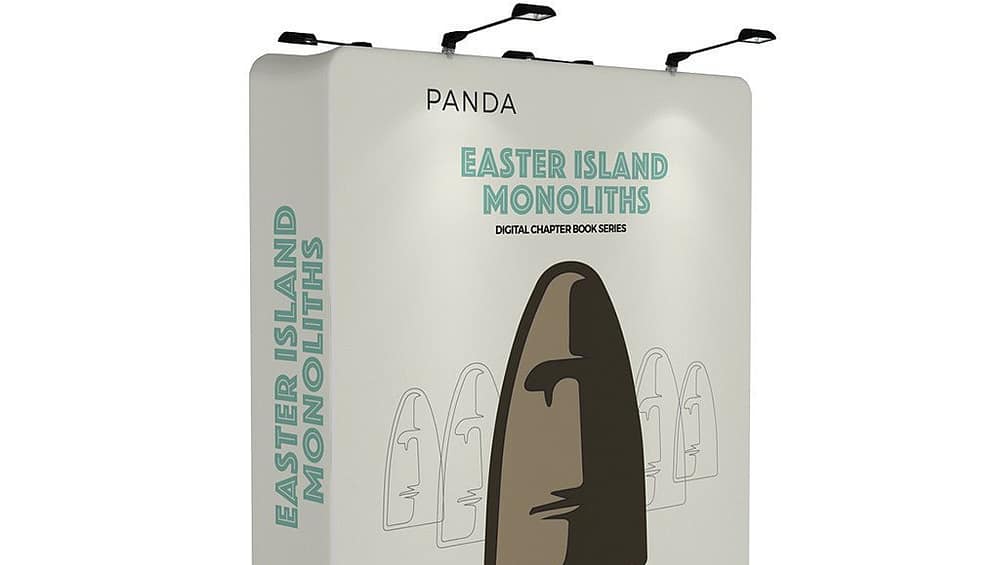
Many events are shifting from vinyl to textile solutions because they are lighter, easier to freight and more suited to repeated use across touring schedules. Polyester, recycled PET and organic cotton fabrics, combined with water‑based or latex inks, offer lower embodied emissions and reduced volatile organic compounds on site. When paired with reusable fabric banner systems, a single set of graphics can travel across multiple cities, cutting both landfill and reprint budgets. The real opportunity lies in designing national campaigns around compact folding fabric displays that can be stored, transported and refreshed efficiently.
Common sustainability blind spots with event banners
Despite good intentions, many Australian events still over‑order signage for “just in case” scenarios, leaving unused banners to head straight for landfill. Short procurement timelines often push teams towards familiar PVC suppliers rather than exploring Tension Fabric Displays or lightweight portable banner walls that could be reused. Another blind spot is recyclability: mixed materials, metal eyelets and laminated finishes can make banners impossible to process through local recycling streams. Mislabelled “green” products can lull organisers into a false sense of security while problems quietly accumulate behind the scenes.
- Every new sponsorship package triggers fresh Fabric Exhibition Banners with no reuse plan.
- Event freight involves shipping heavy rigid signage across states instead of Portable Fabric Displays.
- There is no inventory of eco-friendly tension fabric backdrops, frames or washable exhibition banner materials.
- Design files are not optimised for modular tension fabric booths or double-sided fabric event signage.
- No one tracks how many custom printed fabric graphics are stored, reused or ultimately binned.
By 2026, major Australian events are likely to be asked for clear reporting on signage volumes, material choices and reuse rates as part of ESG disclosures. Organisers who continue treating banners as disposable will struggle to meet sponsor expectations and may face higher costs as waste levies rise. In contrast, teams that prioritise Fabric Banners, modular hardware and washable, durable textiles will be better placed to demonstrate climate leadership. Now is the time to audit your signage, rationalise artwork, and explore options such as lightweight portable banner walls and compact folding fabric displays before legacy practices become an expensive liability. To avoid falling behind, assess your next event’s signage plan and seek expert guidance on integrating more sustainable textiles and reusable systems into your broader marketing strategy.