
Recognising the Risk of Forgettable Event Tables in 2026
Creative Table Cover Ideas for Unique Event Presentations in 2026 are rapidly shifting from nice detail to strategic asset in Australia’s crowded events calendar. Yet for many organisers, table surfaces still sit at the bottom of the run sheet while AV, staging and entertainment consume the budget. The result is vast areas of visual dead space that do little to support sponsors, content or brand storytelling. In a market where every touchpoint is scrutinised, this blind spot is becoming harder to defend.
How Plain Covers Quietly Dilute Event Impact
When delegates spend hours in conference theatres, expo aisles or gala ballrooms, tables dominate their field of vision and photography. Standard white venue cloths might be practical, but they undermine visual hierarchy and make branded moments harder to capture. Exhibitors already struggle to stand out, and generic surfaces make Tabletop Exhibition Displays and signage work twice as hard. Over time, this sameness feeds attendee perceptions that an event feels “like every other one”, even if the program has improved.
The Hidden Problems with One-Size-Fits-All Venue Cloths
Relying on whatever linen the venue can supply creates a run of subtle but cumulative issues. Inconsistent tones can clash with Branded Table Covers, while aged fabrics or stubborn creases read as careless on camera. Ill-fitting cloths on trestles, cocktail rounds or modular portable demo tables introduce safety risks and visual mess. When sponsors are investing heavily in Portable Table Displays and signage, a sloppy base layer sends the wrong signal about attention to detail and brand care.
Emerging 2026 Trends Many Planners Are Missing
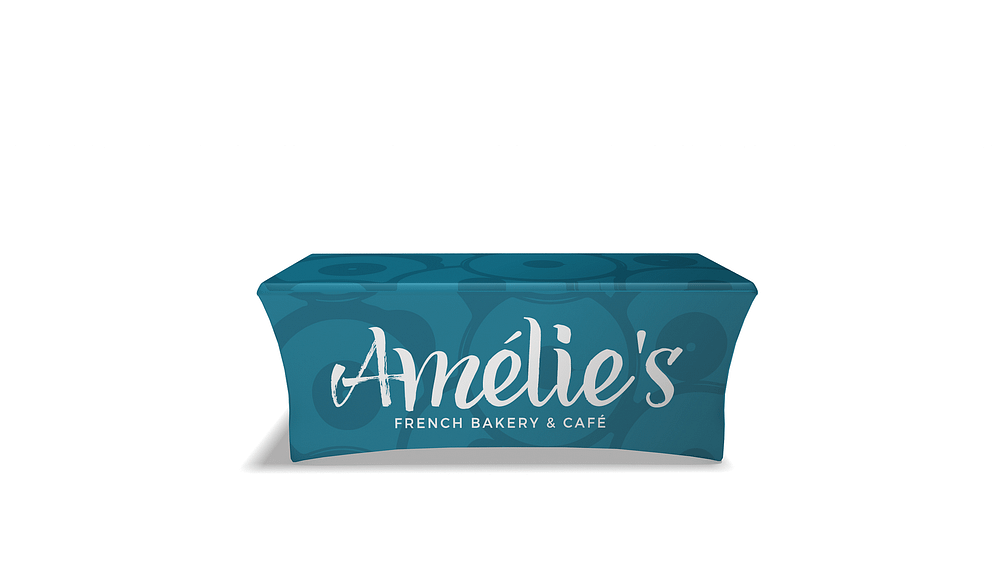
By 2026, Australian audiences will expect tables to support sustainability, culture and digital content, not just hide trestles. Eco-conscious fabrics and custom printed stretch tablecloths are already replacing disposable plastics at progressive venues. Some organisers are commissioning Indigenous-inspired artwork in consultation with First Nations creatives, then extending the designs across interchangeable branded table runners and trade show tabletop backdrops. Others are using neutral bases to host projection, turning previously blank tables into responsive canvases for data, logos and live social feeds.
- Event photos reveal a sea of white or mismatched cloths with no clear branding.
- Sponsors question how their investment translates on camera or across Tabletop Displays & Covers.
- Staff scramble to tape, tuck or pin fabric to avoid pooling and trip hazards.
- Tabletop product demonstration setups feel cluttered because the base layer competes with collateral.
- You struggle to coordinate tabletop displays for small booths with larger coordinating table covers and banner stands.
As hybrid formats mature, every flat surface is now part of the broadcast frame as well as the room. Underused tables weaken sponsor visibility, hinder storytelling, and make tabletop displays for small booths harder to integrate into the wider brand picture. For organisers, the risk is not just aesthetic; it can mean reduced exhibitor satisfaction, lower rebooking rates and less compelling marketing assets. Taking stock of how your tables read on camera, in person and across content is a practical first step. If the view is forgettable, it may be time to seek expert guidance on elevating this overlooked asset before your next event cycle.