
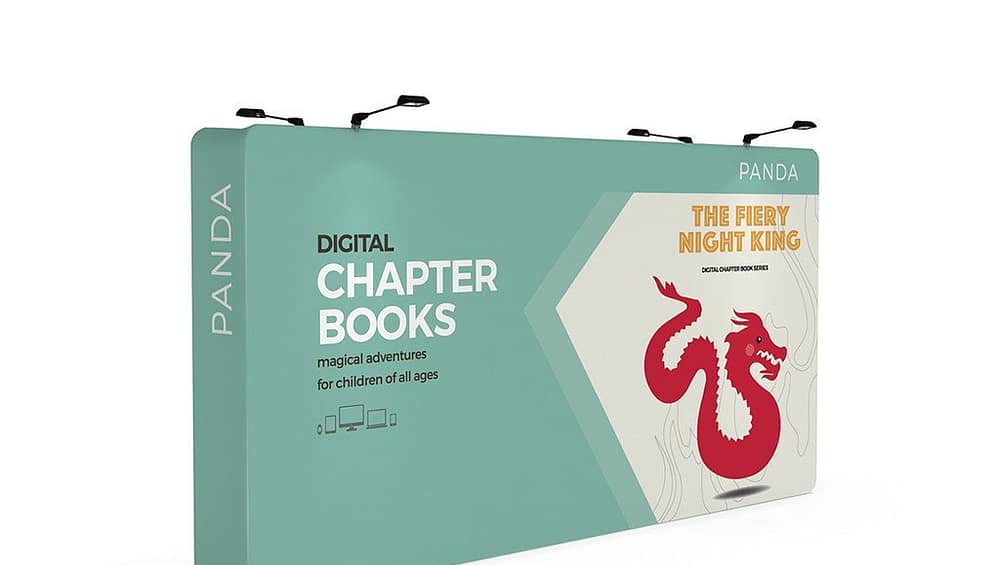
Travelling exhibitors across Australia are quietly leaking money, time and impact through their portable display choices. In a climate of tighter budgets and busier events, many teams still treat Fabric Banners as a low-priority accessory rather than a core part of their trade show strategy. The result is a pattern of overspending on freight, wrestling with bulky gear, and compromising brand presentation from one show to the next.
Recognising the Hidden Costs of Portable Displays
The true expense of a display rarely shows up on the initial quote; it emerges across a full events calendar. Heavy cases that always need a trolley, storage units in multiple cities, and rush repairs between flights all add up. What looks like a one-off investment becomes a recurring operational burden, particularly for marketers running national roadshows or multiple activations per month.
Why Portability Matters More Than Ever
With trade show schedules rebounding in Sydney, Melbourne, Brisbane and regional centres, exhibitors are back on planes and juggling tight bump-in windows. Airlines have lifted excess baggage fees, and event venues are stricter on access times and loading dock use. Displays that can be checked as standard luggage and set up by one person are no longer a “nice to have”; they directly influence whether a stand is ready, polished and on-brand when doors open.
How Traditional Banners Hold Exhibitors Back
Rigid, weighty hardware is often the main culprit. Aluminium frames, timber structures and thick PVC graphics appear robust but demand multiple staff, long bump-in times and large vehicles or freight bookings. Damage is common: bent rails, cracked panels and scuffed prints that need last-minute fixes. Over a season of events, this wear and tear not only inflates costs but steadily erodes the professional image brands work hard to project.
- Cases that can’t be lifted safely by one person or rolled easily through airports.
- Regular excess baggage fees or separate freight bookings for every show.
- Teams avoiding smaller regional events because “the stand is too hard to move”.
- Graphics needing constant touch-ups or reprints after each interstate trip.
- Confusion over mismatched components and ad-hoc additions to ageing systems.
Modern Portable Fabric Displays are designed to counter these pain points, yet many exhibitors remain locked into legacy hardware. Options such as Tension Fabric Displays, collapsible fabric banner systems and travel-ready tension fabric kits use lightweight frames with fabric sleeves that pack down small and assemble quickly. For teams running multiple shows, interchangeable fabric display panels and modular portable fabric walls can reduce both freight complexity and on-site setup stress.
The risk of ignoring these inefficiencies is missing valuable opportunities as the national events landscape evolves. Brands sticking with dated systems may find lightweight tension fabric booths and carry-on friendly fabric backdrops outshining them on visual impact and agility. Australian marketers should watch for airport-safe exhibition banner tubes replacing bulky crates, and Fabric Exhibition Banners with double-sided fabric trade show graphics delivering more presence in tight floorplans. If your existing setup feels like a logistical headache, it may be time to reassess your reliance on older hardware.
Australian exhibitors planning new circuits or rebrands should review their display infrastructure before locking in next year’s calendar. Fabric Banners and related solutions such as airport-safe exhibition banner tubes can streamline logistics, reduce long-term costs and lift brand consistency across every state. To avoid another season of preventable freight bills and rushed repairs, speak with an exhibition display specialist and request a practical audit of your current stand before your next major event.