Illuminated fabric displays are rapidly becoming a quiet differentiator for Australian retailers, exhibitors and event marketers, yet many teams still treat them as a niche add-on rather than core visual infrastructure. As pressure grows to do more with less floor space, budget and staff, clinging to dated pull-up banners and heavy sets can lock brands into higher costs and weaker impact. The real issue is not simply old hardware, but a display strategy that fails to recognise how Lightbox Fabric Banners can be redeployed across multiple campaigns, venues and seasons.
Why illuminated fabric displays matter in 2026
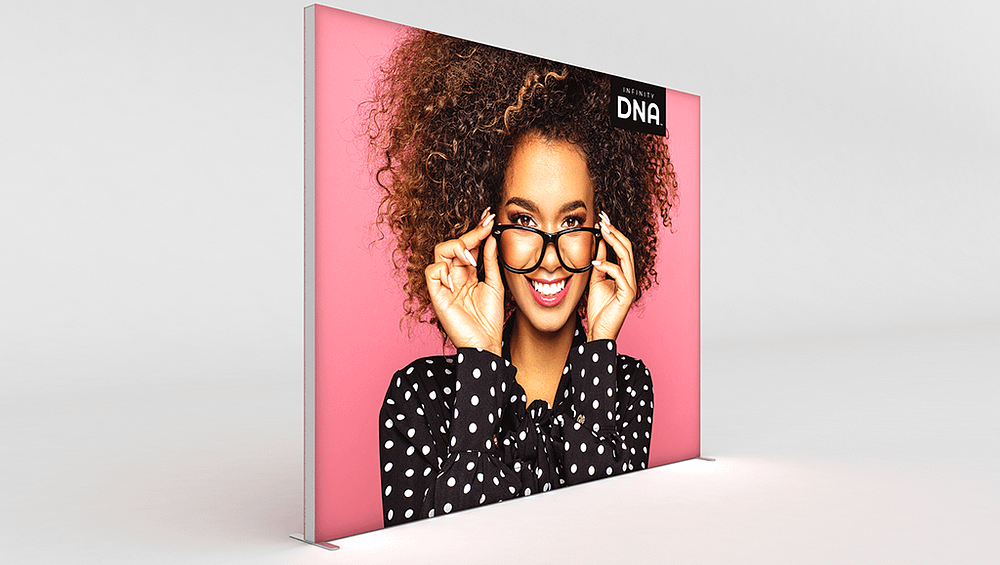
The latest Backlit Fabric Displays combine slim aluminium profiles with vibrant dye-sublimated prints, creating bright, even surfaces that cut through visual noise in shopping centres, airports and trade halls. Visual Impact Expo coverage shows a marked shift towards sustainable, modular systems that can be re-skinned instead of rebuilt. Ignoring this trend leaves Australian marketers paying for repeated builds, extra freight and storage. It also risks flat-looking branding that disappears next to competitors using cleaner, better lit solutions such as LED Exhibition Lightboxes.
Hidden risks of outdated display strategies
Many brands still commission single-use custom sets, only to see them stored for years or sent to landfill after one campaign. This pattern masks real costs in warehousing, transport and labour, especially when crews need hours to assemble complex structures. At the same time, older graphics often perform poorly in photos and video, undermining PR and social coverage. When illuminated fabric banners and trade show fabric light walls are underutilised, teams miss the chance to standardise on hardware that can move easily between events with only the creative refreshed.
Where missed opportunities show up in real spaces
Under-used vertical space is one of the most visible gaps. Ceiling hung lightbox graphics and freestanding illuminated textile towers can transform dead air above racks or tasting stations into long-range brand beacons. In retail, dated posters behind glass compete poorly against retail window led fabric frames that stay legible in full sun and into the evening. At exhibitions, portable led fabric kiosks and modular led fabric exhibition kits enable faster bump-in and reconfiguration, yet many exhibitors still rely on patched-together, low-impact stands.
- Repeating spend on one-off sets that are never reused or reconfigured
- Struggling to achieve even lighting across graphics in bright venues
- Window and foyer signage that fades into the background in photos and video
- Ignoring opportunities for double sided illuminated backdrops in high-traffic areas
- Relying on printers, not specialists, to advise on long-term display infrastructure
Another overlooked issue is how poorly some legacy displays support content creation. Dark or cluttered graphics can ruin media walls, selfies and brand shots that should be amplifying campaigns online. In contrast, well-planned backlit tension fabric murals and Illuminated Fabric Banners provide clean, camera-ready surfaces that work across broadcast, livestreams and social. When teams delay reviewing their hardware, they also delay access to more efficient, flexible platforms that support faster creative changes and lower waste.
Marketers planning for 2026 should audit how quickly they can refresh messaging, how often frames are reused across campaigns, and whether current displays perform well in photos, video and harsh lighting. If your bump-in takes days, storage is overflowing with old sets, or your branding looks dim next to competitors, it may be time to reassess your approach. Speaking with an illuminated display specialist can help you map where modern systems fit, from foyers and retail windows to sponsorship walls, before rising costs and missed visibility compound further.