
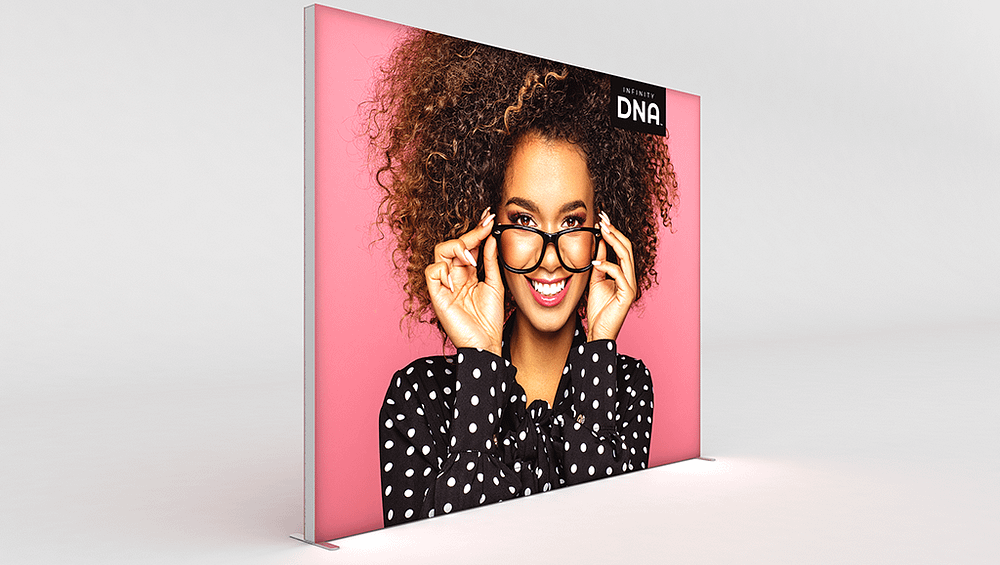
In Australia’s fast-evolving event landscape, Fabric Banners are quietly becoming one of the most strategic tools for 2026 exhibitions, yet many organisers still treat them as basic backdrop prints. When banners are used only as logo walls or price lists, brands miss critical opportunities for storytelling, wayfinding and sustainable design. This problem is amplified as venues tighten environmental standards and audiences expect richer, more immersive experiences on the show floor.
Why Fabric Banners Matter in 2026 Exhibitions
The biggest risk for exhibition teams is assuming fabric graphics are interchangeable with old vinyl signs or rigid boards. High-impact Fabric Exhibition Banners can act as architecture, media screens and engagement hubs, but only if they are planned strategically from the start. When they are briefed at the last minute as simple “print files”, the result is often cluttered messaging, flat visuals and limited reuse from show to show.
Missed Opportunities on the Exhibition Floor
One common warning sign is a stand dominated by a single crowded wall, instead of a sequence of panels guiding visitors through a story. Immersive trails, wayfinding towers and hanging fabric exhibition signs are still the exception, not the rule, in many Australian venues. Exhibitors also overlook ceiling space, ignoring how lightweight portable banner frames and canopies can lift visibility across a noisy hall. The net effect is stands that blur into the background rather than drawing visitors in.
Sustainability, Technology and Flexibility Pressures
As Australian venues push harder on sustainability, reliance on disposable signage creates both cost and reputational risk. Teams sticking with one-use plastics overlook reusable fabric banner kits, modular portable fabric walls and Tension Fabric Displays that can be re-skinned across multiple events. At the same time, exhibitors slow to adopt QR codes, AR markers or backlit tension fabric structures lose engagement from visitors who prefer self-directed, digital-rich experiences.
- Stands that rely solely on brochures and sales reps, with no interactive banner touchpoints.
- Glossy pull-up banners that reflect projection light and wash out video content.
- Rigid hired walls instead of portable fabric displays that can form pop-up rooms.
- No defined photo zone or backdrop designed for social media sharing.
- Flat, generic artwork instead of locally relevant designs or custom-printed stretch fabric panels.
Another subtle gap appears in how brands use scale, texture and local storytelling. Many stands still default to flat graphics instead of exploring curved tension fabric backdrops, double-sided fabric exhibition graphics or semi-sheer panels that layer depth. Few international exhibitors collaborate with Australian or First Nations artists, missing the chance to embed local narratives in their graphics. Even practical elements like queue management rarely leverage fabric towers for clear, branded wayfinding.
For organisers planning 2026 shows, now is the moment to audit how banners are used across your kit, from hanging features to portable meeting pods. Assess whether your current approach can adapt to new layouts, new venues and higher sustainability expectations without constant reprints. If your stand still leans on one-use prints, outdated frames or ad-hoc signage, consider speaking with an exhibition design specialist about smarter uses of Fabric Banners and related systems. A short consultation can reveal where lightweight portable solutions and more strategic content could lift impact before your next exhibition season.