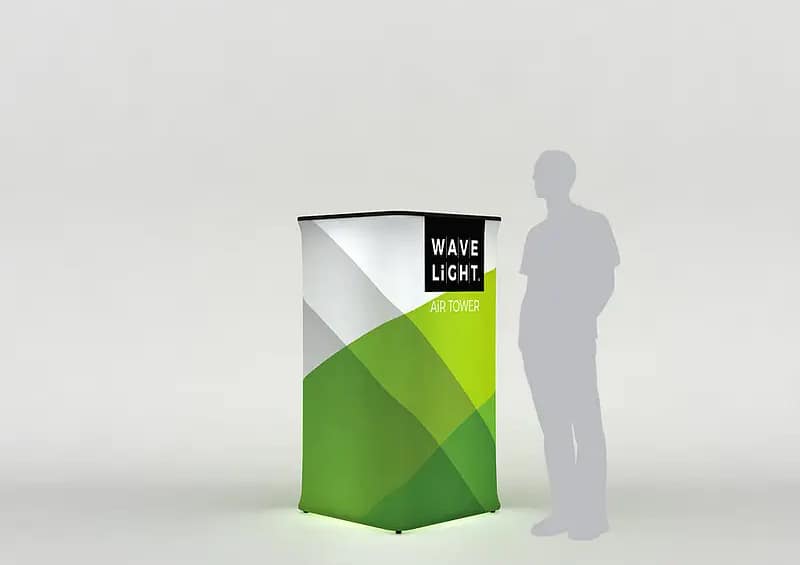
Understanding the inflation mechanism of WaveLight® Air Towers is now a strategic capability for Australian event professionals, not a technical footnote. As brands demand faster builds, safer sites and tighter budgets, the humble blower, fabric skin and airflow path have become critical infrastructure for modern portable event signage. Leaders who understand how these systems behave under real-world conditions can de‑risk activations while elevating the quality and consistency of illuminated brand experiences.
Inflation is no longer just about “making it stand up” – it is about controlling air, power and stability to deliver reliable, tour‑ready experiential media.
Why the Inflation Mechanism Matters Now
Most failures with inflatable display towers in Australia have little to do with design or print quality, and everything to do with power, anchoring and airflow mismanagement. In a market defined by short bump‑in windows and strict venue compliance, an under‑performing blower or overloaded circuit can derail an activation in minutes. Treating the inflation system as an engineered asset allows production leads to write realistic risk plans, allocate the right crew skills and negotiate smarter with venues on power distribution.
The Inflation Mechanism of WaveLight® Air Towers
At the core of these illuminated inflatable towers is a continuous‑air, low‑pressure system that keeps towers rigid, responsive and safe. Internal electric blowers draw filtered air through the base, distributing it through baffled chambers that stabilise pressure across the column. This architecture tolerates micro‑leaks and fabric flex without compromising structure, which is critical for portable illuminated brand landmarks operating over long trading days. Independent LED engines ensure consistent brightness even as ambient temperature, airflow or internal pressure fluctuate.

Design, Safety and Operational Discipline
Contemporary LED backlit event columns use lightweight yet durable polyester and PVC skins with internal reinforcement to balance strength and packability. For Australian touring circuits, this means the same kit can move from regional festivals to CBD conferences with minimal freight and crew overhead. However, this performance depends on disciplined practices around duty cycles, power quality and anchoring. Under‑spec extension leads, daisy‑chained power boards and ad‑hoc ballast remain common failure points, particularly when experiential marketing tower displays share supply with high‑draw AV equipment.
Strategic Advantages and Future Directions
When properly understood, the inflation system becomes a commercial lever, not a constraint. Faster, predictable inflation enables crews to redeploy WaveLight® Air Towers across multiple zones in a single day, supporting reusable illuminated signage strategies and lowering total cost of ownership. Looking ahead, expect incremental gains from smarter controllers monitoring airflow, power draw and tower health, alongside more recyclable fabrics and custom printed tower graphics tailored to local compliance. For now, the most immediate win is to formalise a standard operating procedure that treats inflation as mission‑critical to custom branding solutions.
For production leads, marketers and venue managers, the next step is an honest audit of how your team powers, anchors and supervises lightweight trade show towers, branded inflatable wayfinding and other portable assets. Document responsibilities, specify power and ballast standards, and rehearse failure scenarios before you arrive on site. To explore how these principles apply across your broader illuminated inflatable towers portfolio, speak with a specialist and review your current deployment strategy today.