WaveLight® Air Wall Displays: A Comprehensive Buying Guide
Understanding WaveLight Air Wall technology
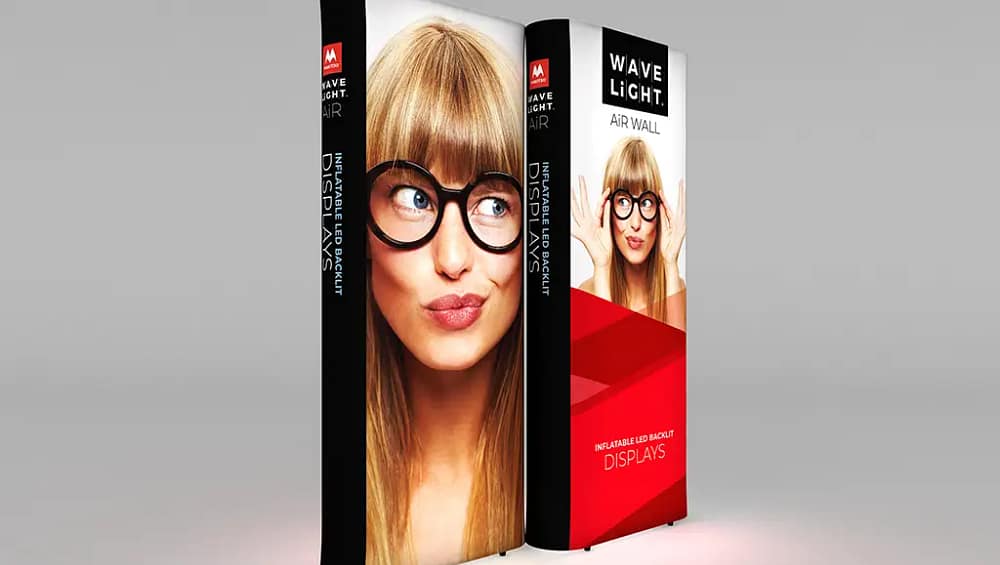
WaveLight Air Wall displays are inflatable, backlit structures designed to give Australian brands strong visibility without the hassle of traditional builds. These inflatable trade show walls are filled using an electric pump within minutes, then illuminated from within by LEDs for a consistent glow across the printed graphics. For marketers juggling multiple events, they offer genuinely portable display solutions that fit into a compact case instead of bulky crates. Compared with timber or aluminium builds that require carpenters or installers, the inflatable format is aimed at in-house teams who need a repeatable, low-stress setup.
Key benefits and alternative solutions
The main drawcard is portability: these lightweight exhibition stands can be checked in as luggage or sent by courier, reducing freight and labour costs between cities. Their interchangeable skins function similarly to custom fabric banners, allowing brands to switch campaigns while reusing the same frame and lighting. As portable illuminated backdrops, they compete with LED lightbox alternatives, tension fabric frames, and SEG fabric display systems, each with different strengths in brightness, depth, and modularity. For events where bump-in windows are tight, the ability to inflate and light a hero wall quickly can be the difference between a polished stand and a rushed install.

Sizing, layout options and use cases
WaveLight Air Wall displays come in a range of heights and widths to line a 3x3m shell scheme, form tunnels, or act as reusable branded wall displays for media calls. In practice, marketers often pair them with lightweight trade show backdrops, counters, and large-format event displays to create a cohesive environment across expos, shopping centres, and university open days. When planning a stand, map typical footprints, ceiling heights, and power access, then decide whether you need one hero wall or a series of connected panels. Where modular exhibition graphics are required, these walls can complement other systems rather than replace them, filling gaps where fast setup and strong illumination matter most.
- Clarify whether the package includes pump, LEDs, carry case, and replacement graphics.
- Check fabric fire ratings against Australian venue requirements and risk policies.
- Ask about warranties on the inflatable bladder, valves, and lighting components.
- Confirm production times and costs for reskins across different campaigns.
- Plan power supply, cable runs, and trip-free placement within your stand design.
When comparing a Wavelight Air Wall with other options, consider who will install it, how often it will travel, and how frequently your brand creative changes. Teams that attend several expos a year across Melbourne, Sydney, and Brisbane often get the best value from systems that can be re-skinned and redeployed quickly. If you only exhibit occasionally or need intricate architectural shapes, a custom build may still be appropriate. Many organisations tap an exhibition specialist to weigh inflatable, modular, and hard-wall options side by side, ensuring the chosen mix suits both budget and brand ambitions.
For marketers under pressure to lift stand traffic and manage costs, the next step is to speak with a supplier that understands both Wavelight Air Wall solutions and broader display ecosystems. A consultative partner can review your calendar, existing hardware, and creative assets, then recommend a practical mix of systems for the next three to five years. Booking a short strategy session before your next major expo can help you compare configurations, model total cost of ownership, and commit to a display plan that is flexible, compliant, and built for repeat use.