
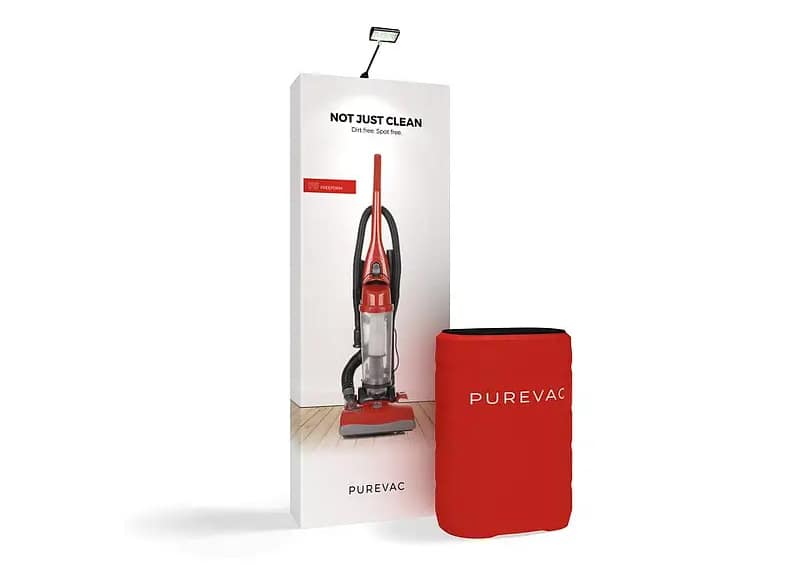
For Australian organisations vying for attention at expos and activations, OneFabric Pop-Up Banners are emerging as a practical way to achieve high-impact branding without complex builds. Marketers need event marketing tools that balance visual punch with tight bump-in windows, limited storage and rising freight costs. Fabric systems respond to this pressure by combining bold, continuous graphics with genuinely portable advertising solutions that can be handled by a small team.
Understanding fabric pop-up banners for Australian events
Fabric pop-up walls use a collapsible aluminium frame and a tensioned print to create lightweight fabric backdrops that read as a single, uninterrupted message. Compared with clusters of pull-up banners, they offer a cleaner look and more room for hierarchy, messaging and photography. For brands rotating between trade shows, university open days and in-store activations, this format acts as a versatile, reusable event signage asset rather than a one-off expense.
How these branded pop-up display systems work
At the heart of most collapsible exhibition stands is a scissor-frame that expands in seconds, then locks into a rigid structure. A dye-sublimated graphic either sleeves over the frame or attaches via Velcro, forming a tension fabric backwall that stays attached between uses. This design means bump-in can be handled by one staff member in under five minutes, making these units genuine portable trade show displays for interstate roadshows and regional events.

Comparing fabric pop-ups with other event display options
In practice, marketers are choosing between custom fabric displays, basic pull-up banners, modular stands and digital screens. Pull-ups remain budget-friendly but often look disjointed when several are grouped together. Larger modular builds create theatre and storage but demand higher investment, longer install windows and sometimes specialist labour. Screens add motion but are easily washed out in bright venues and require ongoing content management. Fabric pop-ups sit between these extremes, delivering high-impact branding displays with manageable cost and logistics.
- Clarify whether your stand needs simple backdrop branding or integrated shelving and product displays.
- Measure typical booth sizes, ceiling heights and access routes at your regular venues.
- Assess how often your team flies to events and the importance of travel-friendly marketing graphics.
- Factor in storage space between events and who is responsible for pack-down and transport.
- List any venue compliance requirements such as fire-rated fabrics or strict bump-in time slots.
These questions help determine whether OneFabric Pop-Up Banners can serve as your core display system or should complement larger builds. For many SMEs and national brands, they function as a flexible backbone that can be dressed with counters, product plinths or digital elements as needed.
When selecting a supplier, Australian marketers should interrogate print quality, frame warranty and the availability of replacement graphics to extend the life of their investment. Asking to test assembly in a showroom or sample kit reveals whether the hardware truly behaves as advertised under real-world pressures. A specialist partner can also advise on how many units you need to cover your annual calendar and keep branding consistent across locations without overbuying. To move forward, consider booking a consultation with a display expert who can compare options, forecast total ownership costs and help you plan a cohesive event presence for the year ahead.