
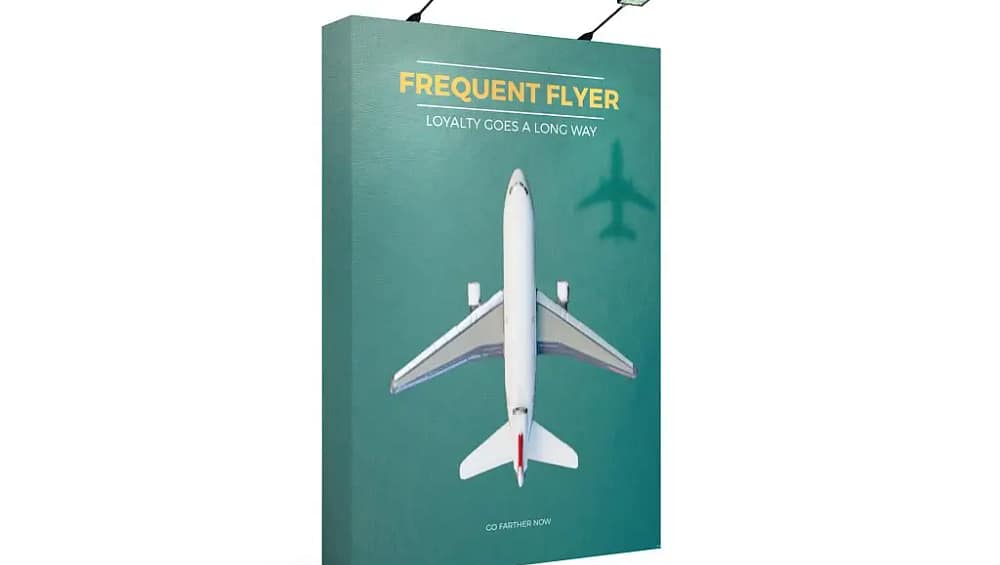
Choosing the right pop-up banner system is crucial to standing out in competitive Australian exhibition halls. Straight and curved OneFabric Pop-Up Banners may look similar at a glance, but the shape, structure, and visual performance create distinct branding outcomes. Understanding these differences helps you invest in a display that not only looks professional, but also supports measurable engagement, photography needs, and long-term return on investment across your national event calendar.
Understanding Your Pop-Up Banner Options
Straight frames provide clean, linear planes that behave like professional event backdrops, ideal for media walls, sponsor boards, and camera-friendly layouts. Curved frames, by contrast, wrap gently around the viewer, functioning more like branded tension fabric walls that create a sense of depth and enclosure. Both formats are engineered as portable advertising solutions, yet they shape audience interaction differently, particularly in busy expo aisles or conference foyers where sightlines and movement patterns are constantly shifting.
Primary Differences in OneFabric Pop-Up Banners
Where many portable trade show displays prioritise generic hardware, OneFabric systems focus on graphic real estate and reusability. Straight configurations maximise uninterrupted width, supporting custom fabric displays with large logos, hero imagery, and copy that must stay perfectly flat for photography and video. Curved frames angle panels towards attendees, improving visibility from multiple directions and working effectively as compact display solutions on peninsula or corner stands. Both share a common frame and print standard, ensuring consistent colour reproduction across your wider modular trade show branding suite.

Space, Layout, and Visitor Flow
Australian venues frequently supply narrow shell schemes where every centimetre counts. In these environments, straight OneFabric Pop-Up Banners sit tight against the back wall, preserving floor area for demos, sampling, or seating while still delivering lightweight fabric backdrops with strong horizontal lines. Curved systems excel in island or peninsula stands, subtly guiding traffic into your space and framing product zones. When combined with collapsible event signage, counters, and reusable exhibition graphics, you can build cohesive environments that adapt between different floor plans without reprinting your core visuals.
Brand Experience, Setup, and ROI
Most exhibitors worry about installation time, transport weight, and durability as much as design. OneFabric systems are engineered as genuine event marketing tools, with graphics that remain attached to the collapsible frame so staff can complete setup in minutes. This makes them particularly attractive for teams flying between cities who need reliable, portable trade show branding rather than disposable hardware. The same fabric prints can support multiple campaigns, serving as professional event backdrops at conferences, then transitioning to in-store activations or roadshows without compromising presentation quality.
Ultimately, the choice between straight and curved comes down to how you want visitors to experience your brand and how often you reconfigure your stand. If you need maximum width for cameras and sponsors, a straight wall is usually best; if you want a more immersive, theatre-style feel, curved is ideal. By mapping your key events and discussing layout options with a specialist team, you can select OneFabric Pop-Up Banners that deliver consistent impact, streamline logistics, and provide confidence that every appearance will look polished. Speak with our consultants today to compare shapes, review mock-ups, and plan a display strategy that elevates your next Australian exhibition.


