
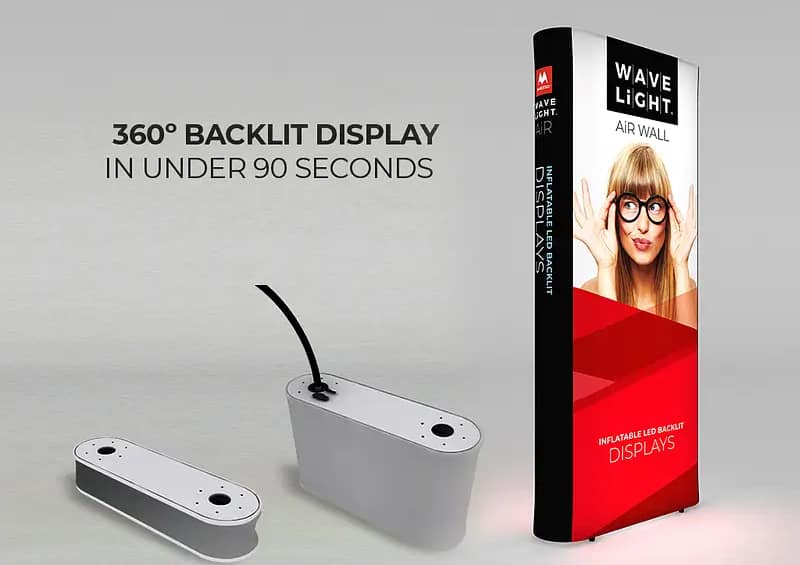
Australian marketers are being pushed to reduce waste, yet many event and retail teams still rely on outdated display setups that quietly drive up costs and carbon. Heavy MDF booths, PVC panels and one-off vinyl banners might seem economical, but they undermine sustainability goals and create long-term financial drag. The WaveLight® Air Wall Lightbox and similar systems highlight a deeper problem: most organisations don’t see the full environmental and budget impact of their display choices across multiple campaigns.
Recognising the hidden impact of your display choices
Across the events and retail sector, tonnes of material are discarded after each activation, from damaged graphics to obsolete hardware. Conventional backlit frames, fluorescent tubes and rigid plastics are rarely reused in full and are costly to freight around Australia. Over several years, this pattern becomes a quiet liability, with budgets soaked up by repeat printing, crating and disposal. The waste is often spread across cost centres, making it difficult for marketing and procurement leaders to recognise how display programs are undermining ESG targets.
Why sustainable displays now matter more than ever in Australia
Regulators are tightening rules on waste reporting, packaging and energy efficiency, meaning unsustainable exhibition builds can quickly become a compliance and reputational risk. Investors and major retailers increasingly expect brands to demonstrate credible action on circularity, not just talk about it in annual reports. When your stands rely on legacy lightboxes and heavy structures, it becomes harder to justify transport emissions and landfill volumes. This pressure is particularly acute in sectors that attend frequent trade shows where eco-friendly trade show lightboxes could significantly reduce impact.

Warning signs your lightboxes and signage are falling behind
There are clear clues that your displays are no longer fit for purpose. Frequent last-minute reprints, damaged panels and date-specific graphics suggest a system designed for single use rather than longevity. High storage fees for crates and hardware that rarely see daylight indicate sunk capital and wasted warehouse space. Staff complaints about heavy, complex installations can mask genuine safety and productivity concerns. If you struggle to report how much material ends up in skip bins after events, your display strategy is likely hiding serious inefficiencies.
- Exhibition budgets quietly balloon due to repeat printing and rush freight.
- Brand teams avoid reusing older graphics because they look dated or off-spec.
- Logistics teams flag increasing OH&S risks from handling heavy crates and frames.
- Sustainability managers can’t obtain accurate data on display-related waste streams.
- Stakeholders begin asking for illuminated fabric displays or modular options you can’t easily supply.
The rapid evolution of LED and fabric signage means many Australian brands are effectively locked into legacy systems that no longer make sense. Next-generation portable advertising lightboxes use low-voltage LEDs, aluminium frames and dye-sublimated fabrics that pack down small and ship light. A reusable exhibition light wall can be re-skinned for new campaigns without replacing hardware, helping reduce material use and freight emissions. Systems like a seg backlit wall system or modular glowing wall displays are designed for repeat use over multiple event cycles.
Inflatable and fabric-based technologies are also changing expectations around what sustainable lightboxes can do visually. Backlit inflatable displays and branded inflatable light walls can create large-scale impact without the bulk of traditional timber builds. A lightweight LED display backdrop or portable illuminated wall branding can be installed quickly by in-house teams, reducing reliance on contractors. By reassessing your program now and considering custom wall light solutions, you can address chronic waste, improve compliance and free up budget for creative storytelling.
If your organisation is still hauling the same heavy structures from show to show, now is the time to audit your entire display ecosystem. Map where waste, rush costs and carbon-heavy decisions creep in, then speak with an Australian display specialist about how a WaveLight® Air Wall Lightbox or similar reusable systems could fit into your mix. Taking a structured look at total cost of ownership today will help you avoid tougher regulations, rising landfill levies and missed branding opportunities tomorrow—book a consultation or internal review before your next event cycle is locked in.


