
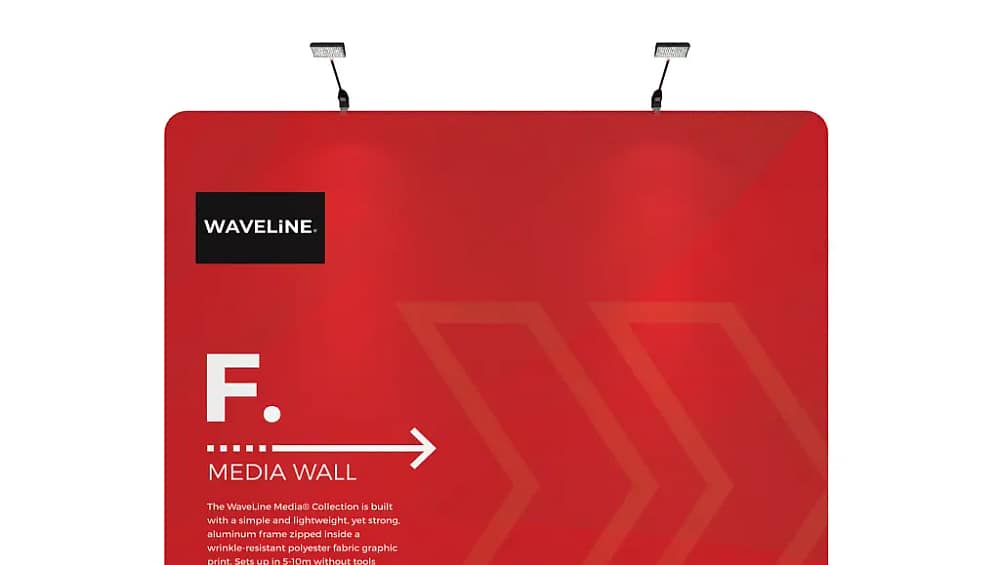
Understanding the technology behind WaveLight® Tension Fabric Banners is becoming critical as Australian exhibitors rely more heavily on illuminated displays to cut through at trade shows, roadshows and retail activations. When these systems are treated as simple lightboxes rather than integrated visual technology, brands risk dull graphics, unreliable performance and escalating replacement costs.
WaveLight® Tension Fabric Banners and the Lighting Gap
The primary advantage of WaveLight® Tension Fabric Banners lies in their ultra-thin LED arrays, engineered to deliver consistent backlighting across the entire graphic. When marketers focus only on artwork and ignore LED quality, colour temperature and power management, they often end up with washed-out colours and patchy illumination on busy exhibition floors. This is particularly risky in venues where competing stands use sophisticated portable display systems to capture attention.
How Fabric, Printing and Tension Create (or Kill) Impact
These backlit units pair stretch polyester fabric with dye-sublimation printing, a combination that can produce rich blacks and subtle gradients ideal for backlit tension fabric signage. However, the same technology makes flaws brutally visible. Poorly tensioned skins, rushed bump-ins and incorrect sizing can turn premium wrinkle-resistant stretch graphics into sagging, rippled panels as soon as the LEDs switch on. For brands relying on portable tension fabric backdrops for national tours, those ripples quickly undermine professional credibility.

Frames, Heat and Structural Stress Behind the Scenes
Most systems use aluminium tube banner frames to house LED strips or panels, a design that keeps units light enough for custom fabric displays and reusable trade show display systems. Yet poor thermal design, overcrowded channels and low-grade drivers can create hot spots that lead to bright patches, flickering or early component failure. As teams add more tension banner solutions and attempt to daisy-chain power, the risk of overheating, inconsistent brightness and unplanned downtime increases.
- Noticeable bright or dull sections across the graphic once lights are on
- Colours that shift dramatically between studio proofs and event lighting
- Fabric that sags, strains at zips or refuses to sit flush on lightweight fabric banner stands
- LEDs that flicker, hum or feel unusually hot after short periods of use
- Power issues when connecting multiple tool-free exhibition display frames in a single stand
For Australian marketers building modular trade show fabric walls, these warning signs point to an under-recognised budget leak rather than a mere technical nuisance. Investing in expert-specified Wavelight Tension Fabric Banners helps ensure the lighting, fabric and structure work as a single system rather than a collection of parts. Before your next circuit of expos, take time to audit your current backlit hardware and speak with a specialist about safer, more reliable tension solutions that protect both your brand presence and your event spend.


