
Common Mistakes to Avoid When Using WaveLight® Tension Fabric Banners
When used strategically, WaveLight® Tension Fabric Banners become less a lighting upgrade and more a disciplined platform for repeatable brand performance across Australian events.
Why execution matters more than hardware
WaveLight® Tension Fabric Banners deliver impressive edge-lit visibility, but impact in Australian exhibition halls depends more on execution than technology. Treating them as generic portable display systems overlooks their role as immersive storytelling tools that can support broader campaign objectives. The brands extracting the most value are those aligning creative, operations and measurement, not simply buying brighter hardware. This mindset shift separates teams that see banners as assets from those treating them as consumables. In a tightening events market, that distinction directly affects ROI and competitive presence.
Mistake 1: Treating WaveLight® like a standard pull-up banner
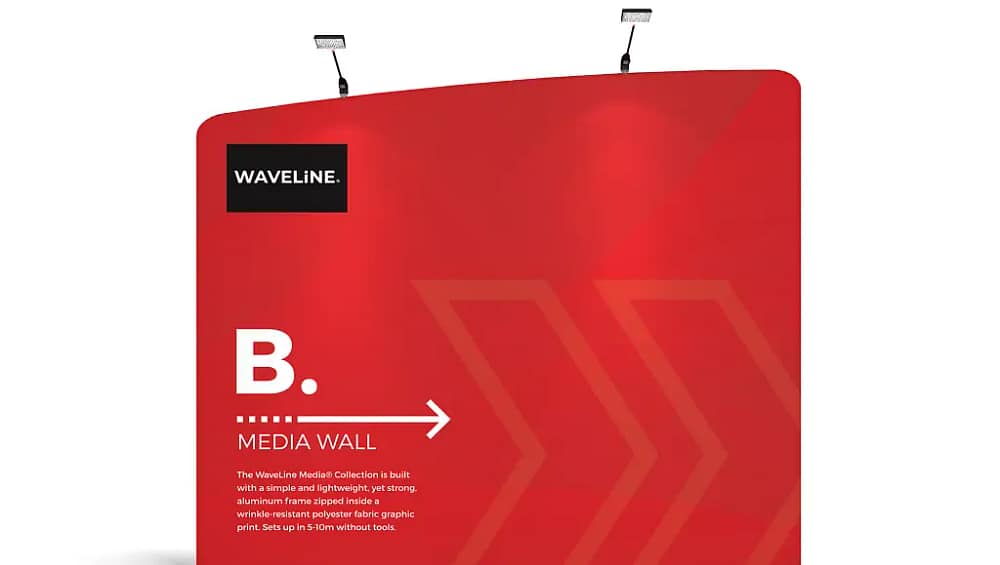
One of the most costly errors is designing WaveLight® units like basic pull-ups packed with copy, logos and competing offers. These are tension banner solutions built for bold, backlit simplicity, where a single dominant message cuts through visual clutter on busy show floors. Australian marketers should plan layouts as custom fabric displays with clear visual hierarchy and one primary call to action. Think of the system as a luminous stage, not a brochure. This approach also makes it easier to refresh content while keeping the hardware in circulation for multiple campaigns.

Design, assembly and lifecycle discipline
Backlighting exposes weak design decisions fast, especially under mixed lighting at Australian venues. High-resolution fabric graphics with strong contrast, robust typefaces and controlled negative space translate best on illuminated, lightweight trade show backdrops. Operationally, rushing assembly leads to warped aluminium tube display frames, uneven tension and visible hotspots that undermine perceived quality. Teams should rehearse builds, standardise checklists and leverage tool-free tension fabric stands to reduce on-site risk. Between events, treating systems as reusable exhibition banner systems through proper storage, testing and washable pillowcase banner covers extends lifecycle and protects LED performance.
Strategically, Wavelight Tension Fabric Banners should integrate with the stand’s visitor journey rather than operating as isolated light boxes. Consider how portable fabric banner displays frame product demos, conversation zones and data capture points, guiding attention rather than competing with other media. For multi-stop roadshows, modular, curved tension fabric backwalls can be combined to create consistent yet adaptable environments. Forward-looking marketers are already using these formats as flexible, measurable assets that plug into campaign analytics, not as one-off showpieces. This is where illuminated hardware shifts from sunk cost to repeatable growth engine.
For Australian brands reviewing their event programs, WaveLight® platforms deserve the same rigour you’d apply to media planning or digital optimisation. Treat them as part of a broader system that connects visual impact with data, sales conversations and post-event nurture. By avoiding common design, assembly and maintenance mistakes, you transform bright banners into a disciplined, portable fabric media channel. If you’re unsure where to start, now is the time to audit your current event kit, refine your creative strategy and map how your next deployment can work harder at every show. Speak with an exhibition specialist to benchmark your current approach and plan a higher-performing display strategy for your next Australian activation.


