
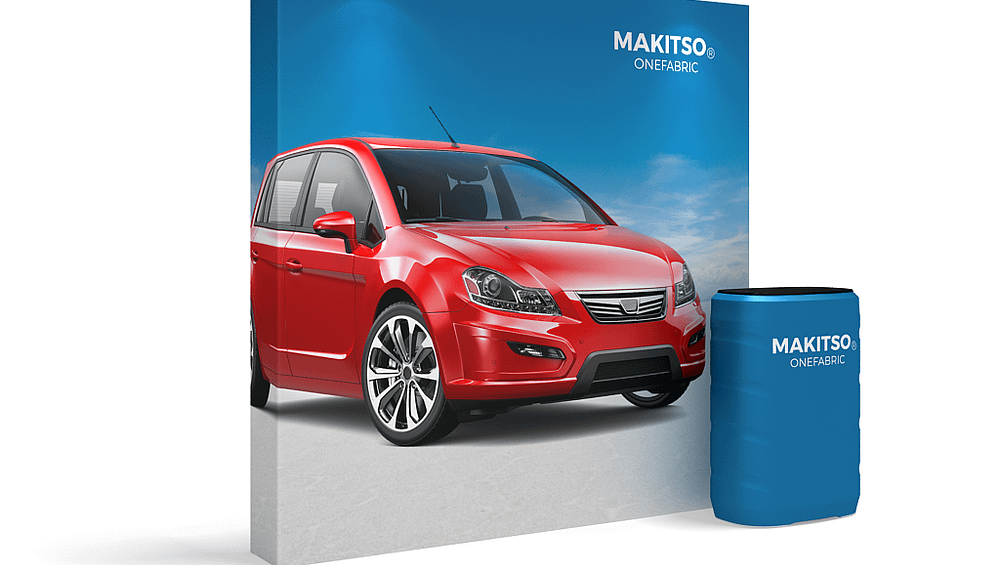
Fabric Banners for indoor and outdoor events are no longer a tactical afterthought; they are a strategic asset for Australian organisers under pressure to deliver impact, efficiency, and sustainability. As brands juggle conferences, festivals, and retail activations, the key decision is how to specify one signage ecosystem that can adapt seamlessly between controlled indoor venues and unpredictable outdoor conditions without compromising visual quality or longevity.
The real competitive edge comes from treating fabric signage as reusable infrastructure, not disposable décor.
Fabric Banners for Indoor vs. Outdoor Events
Indoors, marketers can lean into high-resolution storytelling. Dye-sublimation printing on polyester supports intricate brand assets, from indoor tension fabric backdrops to minimalist step-and-repeat walls designed for social sharing. Frameless systems and Tension Fabric Displays create a premium, immersive feel while remaining lightweight and fast to install between roadshows. Outdoors, the brief shifts towards durability: UV stability, reinforced stitching, and weather resistant fabric signage become non-negotiable if you expect national touring across Australia’s diverse climates.
Strategic Design Choices Across Venues
Leading event teams are standardising core formats such as Fabric Exhibition Banners, large format fabric event walls, and portable fabric banner stands, then swapping graphics per campaign. This modular approach simplifies freight and storage while enabling rapid creative refreshes for sector-specific conferences or community festivals. For outdoor rated fabric displays, perforated or mesh textiles can reduce wind load without sacrificing legibility, especially along fences or temporary structures that face gusty conditions.
Maximising Lifecycle Value and Sustainability
As ESG expectations harden, Australian brands are prioritising reusable fabric booth displays printed with water-based inks on recycled polyester. A single suite of Portable Fabric Displays can be re-skinned multiple times, supporting regional messaging while avoiding constant hardware replacement. Indoors, double sided fabric exhibition graphics and lightweight hanging fabric banners maximise visibility without increasing floor-space costs, while outdoors, thoughtful specification helps reduce landfill by extending each banner’s useful life across multiple event seasons.
To unlock this value, start with your 12–24 month event calendar and map where assets must flex between indoor expos and outdoor festivals. Specify Fabric Banners that balance print quality, durability, and packability, then brief suppliers clearly on reuse, sustainability, and measurement expectations. Consider how portable fabric banner stands, outdoor rated fabric displays, and large format fabric event walls can be standardised, with content localised via interchangeable skins. Finally, build a simple governance process so marketing, events, and procurement align on specifications before each buying cycle.
Call to action: Audit your current suite of fabric signage, identify which pieces can be standardised or re-skinned, and engage a specialist to design a future-ready, sustainable banner program.


