
Common mistakes with portable advertising lightboxes are often subtle, but they can significantly reduce impact in crowded Australian venues. When brands treat illuminated fabric displays as simple hardware rather than strategic communication tools, they miss vital opportunities for storytelling, consistency and ROI. As exhibitions, retail activations and roadshows become more competitive, execution quality now differentiates leading marketers from those merely showing up.
In a hall where almost every stand glows, the winners are the teams who control light, fabric and narrative with the precision of a stage designer, not just an installer.
Why lightbox execution matters now
Australian exhibit halls are saturated with LED-lit exhibition walls, SEG fabric light walls and portable illuminated backdrops. Audiences have learned to tune out generic glow, rewarding only those experiences that feel intentional and premium. That means marketers must think beyond hardware procurement, building repeatable standards for artwork resolution, colour management, and tensioning. Treating lightboxes as a reusable event lightbox system, rather than one-off props, drives consistency across cities and seasons.
Setup and hardware discipline
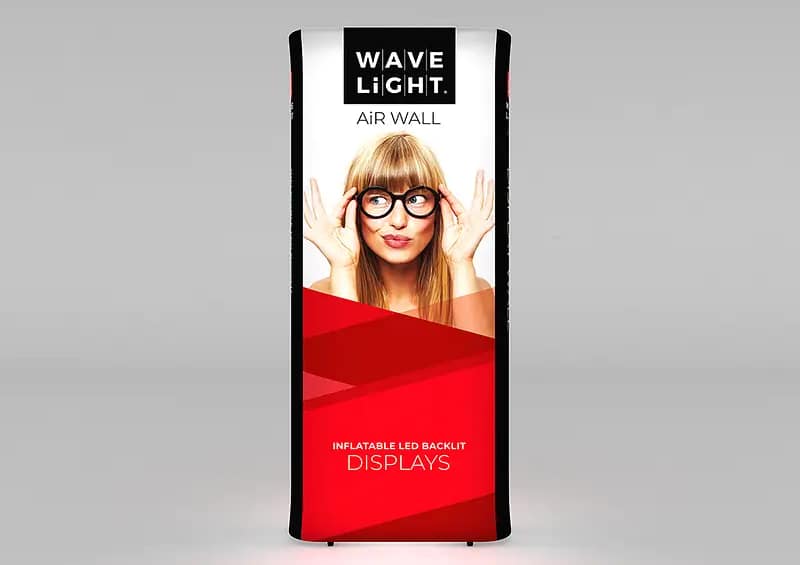
Many campaign teams still view setup as a last-minute operational task instead of a brand-critical process. With systems like the WaveLight® Air Wall Lightbox, incorrect inflation, loose zips or rushed frame alignment quickly translate into warping, light spill and safety risks. Leading exhibitors treat installation as a defined craft, with checklists, clear ownership and simple training for casual crews. That discipline protects hardware investment and ensures backlit inflatable displays look as sharp on day 30 as they did on day one.

Creative quality and stand integration
Lightboxes ruthlessly expose weak creative decisions. Pixelated logos, inconsistent skin tones or mismatched colour profiles are amplified by high-output LEDs, particularly in mixed ambient lighting typical of convention centres. Strategic marketers now test art under show-like conditions, ensuring custom wall light solutions align with broader campaign guidelines. Just as important is integration with traffic flow: trade show lightbox walls should frame hero messages at eye level and support intuitive wayfinding rather than becoming bright but irrelevant wallpaper.
Looking ahead, the most effective Australian brands will treat modular glowing wall displays and inflatable branding backdrops as core storytelling infrastructure. That means building centralised asset libraries, technical specifications and logistics playbooks that cover everything from folding graphics to cable management. As portable ecosystems of trade show hardware converge, those who master both the creative and operational layers of portable advertising lightboxes will set the benchmark. Review your current approach now and engage an expert to refine strategy, artwork and handling before your next event.


