
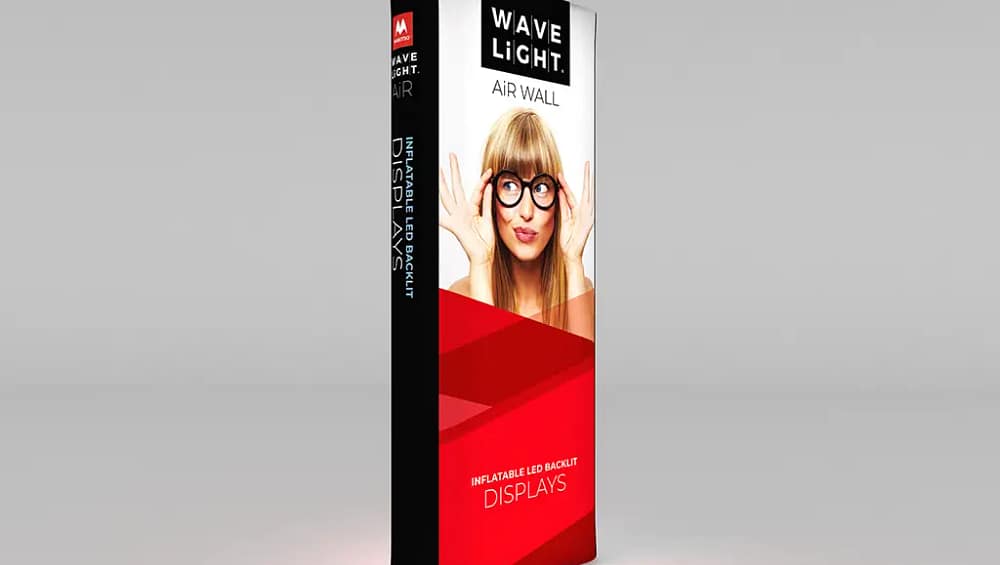
WaveLight® Air Wall Lightboxes vs. Traditional Lightboxes: A Comparison
Australian marketers are under pressure to deliver high-impact visuals at events while keeping costs, freight and labour under control. WaveLight® Air Wall Lightboxes vs. Traditional Lightboxes is now a live debate in exhibition teams, retail design studios and brand activation agencies. Both options deliver illuminated fabric displays that cut through busy environments, but they differ markedly in how they travel, install and evolve with changing campaigns.
What is a WaveLight® Air Wall Lightbox?
A WaveLight® Air Wall Lightbox is an inflatable illuminated display built from a durable inner bladder and a tensioned fabric skin printed with brand artwork. Once connected to a small pump, the structure inflates in minutes, creating a free-standing wall with integrated LED lighting. These portable advertising lightboxes pack down into compact cases that fit easily into cars or local couriers, reducing freight and storage demands. Swappable skins mean marketing teams can roll out seasonal creative, test new messages or localise content without replacing the core hardware.
How traditional lightboxes work
Traditional lightboxes are rigid frames, often aluminium or acrylic, with LED arrays or older fluorescent tubes sitting behind a printed panel or fabric face. They are typically wall-mounted, ceiling-suspended or built into cabinetry for long-term retail or transport environments. Because installation can involve fixings, cabling and occasionally electrical work, they are better suited to permanent custom wall light solutions than fast-turnaround touring campaigns. Their strength lies in consistent, day-in-day-out operation and a slim profile that integrates neatly with joinery and architectural finishes.

Key differences in portability, impact and flexibility
Inflatable systems behave more like branded inflatable light frames than furniture, allowing teams to ship multiple units to a roadshow on a single pallet. Traditional units are heavier, more fragile and harder to reconfigure when floor plans change. For busy show floors, inflatable illuminated displays offer 360-degree glow and double-sided graphics, functioning as backlit fabric trade show walls or freestanding beacons within an open stand. Rigid lightboxes still win in environments where tamper resistance, dust protection and perfectly flush surfaces are critical, such as shopping centres and transport hubs.
- WaveLight-style inflatables minimise freight and pack-down space for regional roadshows and pop-up activations.
- Traditional lightboxes excel as SEG backlit wall systems in permanent retail, corporate foyers and airports.
- Lightweight exhibition lightwalls support quick, tool-free glowing backdrops for tight build schedules.
- Modular LED event walls can combine inflatables and rigid frames for multi-venue campaigns.
- Reusable illuminated booth graphics help reduce waste and extend the lifecycle of both systems.
When weighing up WaveLight® Air against conventional frames, teams should look beyond the sticker price and assess total cost of ownership across multiple campaigns. Consider venue access, OH&S requirements, storage, turnaround times and how often creative will change. For many brands, a hybrid strategy works best: inflatable walls for events and touring programs, complemented by fixed boxes in flagship stores or campuses. Speaking with a specialist who understands Australian venue regulations can help you specify the right mix and avoid surprises with power, fire ratings or bump-in rules.
To move forward confidently, gather floor plans, photos and campaign objectives, then map where you need mobility versus permanence. An expert supplier can model scenarios, from single activations to multi-year networks, and recommend whether inflatables, traditional units or a blend will deliver the best value. If you are planning your next rollout, book a short consultation to compare options, clarify trade-offs and lock in an illuminated display strategy that can scale with your brand.


