
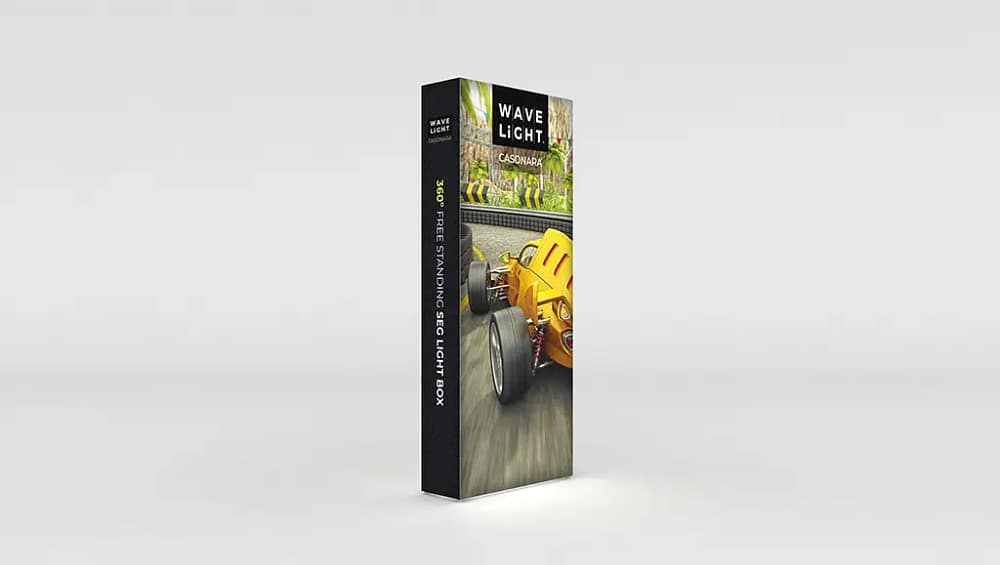
WaveLight Casonara Banners: Assembly and Setup Guide for Australian Events
WaveLight Casonara Banners are a popular choice for Australian businesses needing bright, professional displays that assemble quickly and travel easily. Understanding the correct assembly process helps you protect your investment, reduce setup time, and achieve a polished result at every event. This guide walks you through unpacking, frame assembly, lighting, and final positioning so you feel confident working with these portable banner solutions. By following a clear sequence, you minimise the risk of damage, uneven lighting, or wrinkled fabric. Whether you exhibit at trade shows, retail activations, or conferences, a repeatable process is essential. Careful assembly also extends the life of your hardware and fabric graphics, keeping your brand presentation consistent. With a bit of practice, setup becomes fast, reliable, and stress free.
Why WaveLight Casonara Banners Are Ideal for Australian Exhibitors
WaveLight Casonara Banners combine backlit illumination with tensioned fabric graphics to create a clean, contemporary look that stands out on busy show floors. Designed as custom fabric displays, they deliver smooth, edge-to-edge branding without bulky hardware dominating the visual space. For Australian exhibitors who travel between cities, the lightweight frames and compact packing make logistics simpler and more cost effective. The integrated LEDs are engineered for even illumination, avoiding hotspots that can distract from your message. Compared with traditional pull-up banners, these systems provide a more premium, long-term solution. Many teams appreciate that graphics can be updated without replacing the entire structure. Overall, they offer a balance of impact, durability, and practicality for regular event programs.
Step-by-Step Assembly of WaveLight Casonara Banners
Begin by carefully unpacking the components and laying them out on a clean, flat surface, checking you have all frame sections, connectors, lights, and graphics. Next, assemble the frame from the base upwards, matching labelled parts and ensuring each joint clicks or locks securely, similar to other modular lightbox displays. Once the structure is stable, position the LED strips or bars in their designated channels, following the wiring diagram supplied with your kit. After the lighting is installed, slide or zip the fabric graphic over the frame, making sure the print orientation is correct before fully pulling it into place. Gently smooth the fabric to remove minor creases, then close zips or fasteners to ensure even tension across all edges. When everything feels secure, plug in the power and test the LEDs, adjusting any misaligned segments for consistent brightness. Finally, move the unit into its final position, checking stability on the floor surface and ensuring all cables are neatly managed to avoid trip hazards.

Tips for Protecting Graphics and Hardware
Protecting your graphics and frame begins with how you handle them during both assembly and pack down. Always avoid dragging the frame or fabric across rough surfaces, as this can mark the print and damage powder-coated sections. Many Australian exhibitors store reusable event display kits in padded bags or hard cases to manage frequent interstate travel. If your kit includes tool-free display frames, resist the temptation to overtighten connectors, as excessive force can distort the alignment. After each event, allow the LEDs to cool before packing and gently fold or roll graphics according to the manufacturer’s instructions. Periodically inspect cabling and connectors for wear, especially if you exhibit often or ship your displays. Simple maintenance, such as wiping frames with a soft cloth and checking zips, helps maintain a professional appearance. When in doubt, refer back to the supplied manual for care recommendations specific to your model.
Common Questions About Lighting, Power, and Safety
Exhibitors frequently ask how to ensure even lighting and safe operation during busy events. WaveLight Casonara Banners use energy-efficient LEDs designed to work with standard Australian power outlets, but you should always confirm voltage requirements and use compliant extension leads. For consistent illumination that complements other backlit exhibition graphics, arrange your stand to minimise direct spotlight glare on the fabric face. If you are exhibiting in venues with strict safety rules, securing cables with approved tape or covers is essential. It can also help to test your setup in your office or warehouse before a major show to check for dark patches or loose connections. For more background on LED signage safety and efficiency, resources from organisations like Energy.gov.au provide useful reference information. Taking a few preventative steps will help your display run reliably over long exhibition days.
Choosing the right configuration for your WaveLight Casonara Banners involves thinking about venue size, traffic flow, and integration with other event signage options. Many teams pair these units with SEG fabric banner systems or portable illuminated stands to create cohesive, layered branding. If you are planning a national campaign, consider how your stands will pack into vehicles or freight and whether staff can manage the weight safely. Some organisations prefer a single hero wall, while others use multiple smaller modules for flexible layouts. For further guidance on layouts, sizes, and compatible accessories, you can explore Just Banners’ range of portable banner solutions to see practical examples tailored to Australian events.
To get the most value from your WaveLight Casonara Banners, treat each installation as part of a repeatable, organised process. Create a brief checklist covering unpacking, frame assembly, LED testing, graphic inspection, and safe cabling so any staff member can follow it confidently. Documenting the order of steps reduces errors, protects your investment, and ensures your brand appears consistent across exhibitions. With well-maintained hardware and carefully handled fabric, these systems can serve as premium trade show signage for years. If you need help planning your next display, consider speaking with an expert about sizing, layout, and transport so you can approach each event with clarity and confidence.


