
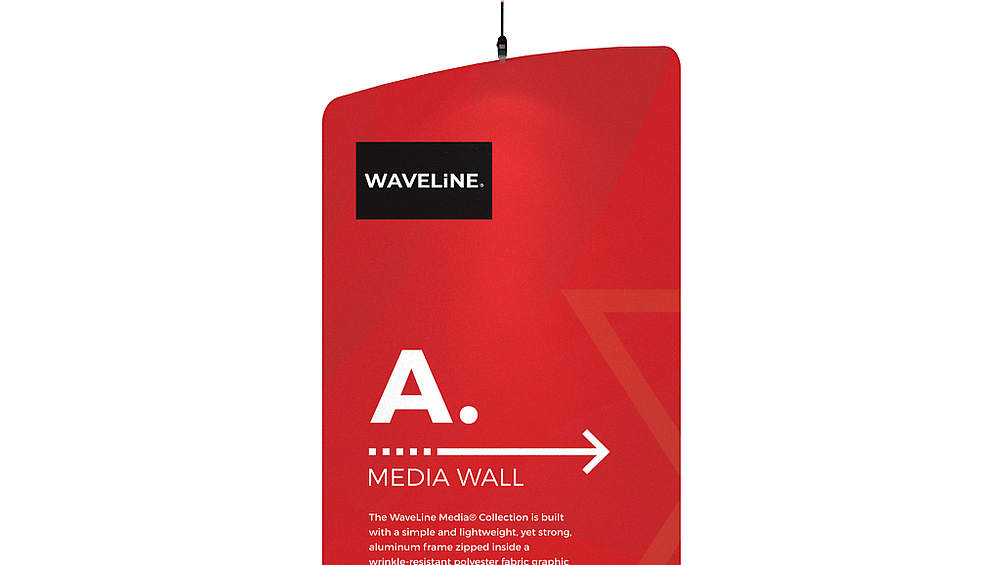
As Australian organisations plan their marketing for 2026, Fabric Banners are fast becoming a go-to choice for high-impact, low-footprint visual communication. From trade shows to retail rollouts and council events, textile-based graphics are offering brand managers a more flexible way to tell their story while aligning with tightening sustainability expectations and budget scrutiny.
Why Fabric Banners are reshaping Australian brand spaces
The shift from rigid boards to soft signage is accelerating across the country as marketers look for solutions that are lighter to freight, easier to install and more adaptable between campaigns. Polyester textiles and Tension Fabric Displays can be packed into compact cartons, reducing logistics costs and damage risk compared with bulky, fragile substrates. At the same time, dye-sublimation and direct-to-fabric printing now deliver colour-rich, photo-accurate graphics that hold their own against traditional PVC and board-based options.
Trade shows and exhibitions: doing more with less weight
For exhibitors, the days of lugging heavy panels through convention centres are numbered as lightweight fabric trade show booths take over floors from Sydney to Perth. Marketers are replacing dated modular walls with tension fabric banner walls that slip over aluminium frames to create seamless, wrinkle-free backdrops that photograph cleanly for social media and press. Because the printed skins are relatively affordable to replace, brands can update creative for each show while reusing the same hardware, making national exhibition schedules more economical and easier to manage.
- Reduce freight volume and weight compared with rigid panels and boards.
- Refresh creative quickly by reprinting skins while reusing frames and structures.
- Achieve smoother, glare-free finishes ideal for photography and video content.
- Pack and store graphics more efficiently between campaigns and venues.
- Support sustainability goals by using reusable, long-lasting soft signage systems.
For many exhibitors, the real return comes from being able to move the same fabric kit from city to city, updating only what’s needed while keeping the overall stand fresh and consistent.
Retail, events and workplaces: soft signage goes mainstream
In retail environments, visual merchandisers are turning to Fabric Exhibition Banners for fast-turn seasonal campaigns that still look premium under harsh centre lighting. Soft textiles reduce glare in glass-heavy shopfronts, helping product photography stay true to colour and detail while supporting quick overnight changeovers. For touring activations and Portable Fabric Displays at roadshows, teams value how portable fabric backdrop stands and reusable fabric event backdrops can be folded into small cases, set up by two people and reused at universities, shopping centres and outdoor festivals.
Corporate and education sectors are also adopting modular portable fabric systems to refresh lobbies, staff hubs and open-plan offices without repainting or major building works. Silicone-edged textiles slide into wall frames and lightboxes, allowing facilities teams to roll out new brand campaigns or internal communications overnight. With acoustic cores behind the cloth surface, double sided fabric exhibition graphics and similar systems can double as sound-absorbing partitions, improving speech clarity in open work zones and meeting areas while keeping visual messaging front and centre.
Planning fabric-based signage for 2026 campaigns
As budgets tighten and ESG reporting becomes standard practice, decision-makers are scrutinising the total lifecycle of their branded environments. Textile graphics often reduce freight emissions, installation time and waste, particularly when paired with curved tension fabric kiosks or custom printed fabric hanging signs that can be redeployed across multiple campaigns. Choosing the right partner becomes critical here: look for suppliers who can advise on fabric composition, fire ratings, colour management and hardware engineering, not just unit costs or turnaround times.
Technical support also matters when deploying solutions like lightweight Fabric Banners, portable fabric backdrop stands or double sided fabric exhibition graphics in complex venues. Colour profiles for backlit lightboxes differ from those for front-lit banners, and small pre-press errors can quickly multiply when a national retail or event rollout is on the line. A specialist provider will typically offer test prints, prototyping and installation guidance, helping you avoid reprints, safety concerns and last-minute compromises that can dilute brand impact.
For marketing, retail and facilities teams seeking to update their visual communications in 2026, fabric-led signage offers a pragmatic balance of flexibility, cost control and environmental performance. By investing in well-engineered frames and quality print, organisations can build a reusable kit of Tension Fabric Displays, Portable Fabric Displays and reusable fabric event backdrops that serve multiple campaigns, venues and audiences. To explore how this approach could work for your next rollout, speak with a specialist who can map out options tailored to your spaces, timelines and sustainability goals, and request a detailed quote to get your project underway.


