
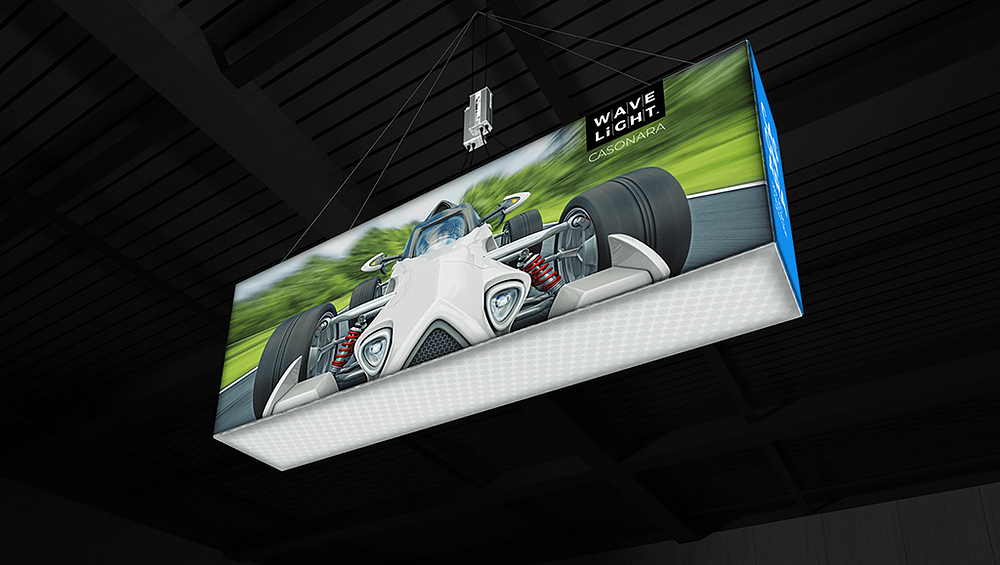
Best practices for installing hanging displays in various venues are no longer a nice-to-have; they are central to safety, brand impact and compliance across Australian sites. As venues become more technically complex, the primary keyword Hanging Banners now sits at the intersection of engineering, creative and risk functions. Event owners and marketers who treat overhead displays as strategic infrastructure, rather than last-minute décor, are better positioned to meet regulatory, operational and brand objectives.
Overhead displays have shifted from decoration to duty of care, demanding the same discipline you would apply to staging, temporary grandstands or power distribution.
Best practices for installing hanging displays in Australian venues
In Australia, stricter interpretations of the Building Code and workplace safety laws mean suspended installations must be planned as engineered systems, not improvised solutions. That applies equally to Hanging Exhibition Displays in convention centres and feature pieces in shopping centres. The practical benchmark is simple: can you document loads, hardware specifications and sign-offs in a way that would satisfy an insurer, regulator or coroner? If the answer is unclear, your current practice is no longer fit for purpose.
Safety, compliance and load management for hanging displays
Robust governance starts with accurate weight data, including graphics, frames, cabling and lighting. Teams should factor in dynamic forces such as vibration, sway and, in semi-open concourses, wind acting on Suspended Fabric Banners. Best practice is to work with licensed riggers who understand venue-specific load ratings and how to distribute loads safely. For higher-risk builds, such as Overhead Trade Show Displays above queue lines, structural engineering review should be treated as mandatory, not discretionary.
Venue-specific rigging strategy and operational discipline
Each venue type has its own risk profile and design opportunity. In exhibition halls, understanding rigging points for overhead displays and how loads spread across beams reduces the temptation to cluster everything over prime real estate. For retailers and airports, smaller suspended fabric wayfinding graphics must align with airflow and sightlines so they guide, rather than confuse, foot traffic. Arenas require collaborative planning so ceiling-mounted exhibition frames and LED ribbons work together, preserving broadcast-quality sightlines and emergency visibility.
Forward-looking programs treat venue-compliant overhead structures as a platform for innovation. Lightweight aluminum hanging frames, double-sided hanging booth signs and island booth ceiling displays now enable larger visual statements with lower structural demand. At the same time, digital overlays and large-format hanging aisle markers are turning ceilings into navigational and commercial assets. The strategic question for organisers is not whether they can hang more, but how to integrate creative ambition with rigorous inspection, documentation and lifecycle maintenance across every installation.
Organisations that invest in disciplined methodologies for designing, certifying and auditing ceiling assets will lead the market in safe, high-impact environments. Now is the moment to review your standards, contractor capabilities and documentation for Hanging Banners and related systems. Audit your current approach against Australian regulations, clarify responsibilities between marketing, operations and rigging partners, and establish a repeatable playbook. To explore how these principles apply to your next event or venue upgrade, speak with a rigging professional and benchmark your program against emerging best practice.


