
Choosing the right fabric for your banner needs is no longer just a design decision; it has become a strategic marketing call, especially in Australia’s demanding climate and competitive retail landscape. From outdoor billboards to in-store launches, the material you select will determine how your message prints, how long it lasts and whether it complies with venue and safety rules. For brands investing in planned campaigns rather than one-off signs, understanding how fabric type, print method and finishing work together is critical to getting a strong return on spend.
How to Choose the Right Fabric for Your Banner Needs
The first step is to be clear about where and how your banner will be used. Indoor campaigns in shopping centres, trade shows and foyers tend to prioritise colour accuracy, a premium matte finish and a more “retail ready” feel. Outdoor programs, from street-side promotions to event wayfinding, must also contend with harsh UV exposure, sudden summer storms and, in many locations, strong winds. Distinguishing between short-term promotions and long-term displays will quickly narrow down which textiles are practical and cost-effective.
Key fabrics used for modern soft signage
Polyester has become the workhorse of soft signage, valued for its light weight, smooth surface and ability to hold rich colour without excessive glare. Canvas-style fabrics sit at the more tactile, gallery-like end of the spectrum, giving retail windows and exhibition walls a textured, upmarket look. Mesh materials, perforated with countless tiny holes, are engineered to let air pass through, easing wind load on fences, scaffolding and stadium perimeters. Vinyl still has a place where maximum durability is needed, but many brands are shifting towards textiles for applications such as Tension Fabric Displays and in-centre promotions.
- Polyester for lightweight, high-impact indoor graphics and backdrops.
- Canvas-style fabrics to create a premium, art-like finish in retail and galleries.
- Mesh fabrics to reduce wind load on fences, building wraps and stadium signage.
- Blockout textiles for double-sided prints and illuminated displays with no show-through.
- Vinyl for heavy-duty, long-term outdoor banners exposed to tough weather.
The right banner fabric is the one that suits your location, exposure and campaign duration—not just the cheapest square metre price.
Matching fabric to location and conditions
For indoor environments, smooth polyester and blockout textiles are popular because they print cleanly, hang neatly and resist creasing when transported between events. Applications like Fabric Exhibition Banners benefit from non-reflective surfaces that photograph well and remain readable under bright LED lighting. Outdoor sites, particularly on streets and construction hoardings, demand higher tear strength and better UV stability. In coastal locations, wind and salt air can quickly degrade low-grade substrates, making reinforced hems, quality thread and metal eyelets an essential part of the specification.
Brands working across national rollouts also need to consider venue rules that may specify fire-retardant ratings or ban certain plastics. Portable Fabric Displays used in shopping centres and convention venues, for example, commonly require certified fabrics that will not drip or release toxic fumes in a fire. Getting this wrong can delay approvals or force last-minute reprints. A specialist provider can guide you towards compliant materials and document packs, ensuring your campaign moves from artwork to installation without bureaucratic hold-ups.
Print quality and visual impact are central to how audiences perceive your brand. Dye-sublimation on polyester delivers deep blacks, subtle gradients and vivid colour that becomes part of the fabric rather than sitting on top of it. This process helps prevent cracking and peeling, making Fabric Banners suitable for repeated use across roadshows and seasonal promotions. For brands that rely on strict colour standards, such as banks or national retailers, printer profiling and material testing are non-negotiable if you want your red, blue or green to look the same across every site.
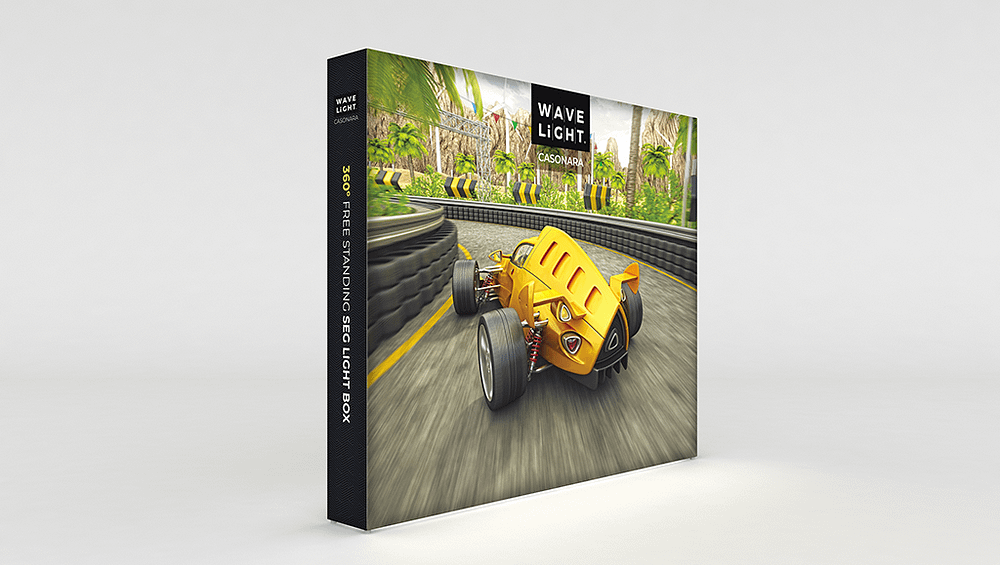
More complex structures, such as double-sided tension fabric walls or large-format hanging fabric structures, place extra demands on fabric choice. Here, opacity, stretch and seam strength determine how well graphics align and how tidy the finished system appears from all angles. When these displays are rigged over busy exhibition aisles or ticket queues, lightweight textiles and aluminium frames also make transport, installation and pack-down faster, which matters for teams operating to tight bump-in schedules.
Durability and care routines are another point of divergence between textiles and older rigid formats. Many systems are now designed around washable reusable fabric signage, allowing marketing teams to freshen up graphics between tours rather than discarding them after a single use. This is especially relevant for fabric pop up display stands and lightweight portable fabric backdrops, which are routinely packed, shipped and reassembled across multiple cities. Being able to quickly spot-clean marks or run skins through a gentle machine cycle helps maintain a professional look throughout the campaign.
Sustainability expectations are also reshaping material decisions in Australia. With more organisations moving away from PVC, options such as recycled polyester, PVC-free coated textiles and take-back schemes for end-of-life graphics are gaining traction. While eco-friendlier fabrics can have a higher unit cost, they often integrate into custom-printed fabric banner systems that are designed for repeat use, spreading the investment across multiple activations. Combined with modular, travel-friendly fabric display kits, this shift enables marketing teams to cut down on waste without compromising on impact.
Knowing when to seek expert advice can save both time and budget. Event organisers, centres and councils frequently have specific requirements for backlit fabric exhibition graphics, exterior fixings or maximum banner sizes in public spaces. Misinterpreting those guidelines can lead to artwork revisions or complete redesigns after production has started. A specialist print partner familiar with local regulations can flag potential issues early, recommend suitable fixings and confirm whether your chosen fabric will perform as expected in each location.
For businesses planning rollouts that combine window displays, in-store point-of-sale and event activations, coordination is key. Aligning fabrics and print methods across Portable Fabric Displays, hanging elements and in-aisle signage helps create a consistent visual story that follows shoppers from first impression to purchase. Rather than treating each banner as a stand-alone job, leading brands are now briefing campaigns as integrated suites of soft signage that can be scaled and refreshed over time.
Next steps for marketing and brand teams are straightforward but strategic. Start by mapping every environment where your banners will appear, noting whether each is indoor or outdoor, illuminated, wind-exposed or subject to strict venue regulations. Then work with a trusted supplier to match materials and finishing details—such as hems, keder, pockets and hardware—to the realities of installation, transport and storage. By pairing the right fabric with the right print process, you can ensure your campaign remains sharp, durable and on-brand across every touchpoint.
If you are planning signage for an upcoming event, product launch or national retail push, now is the time to lock in a specialist who can guide material choice, compliance and production. Speak with a fabric signage expert today to review your concepts, get tailored recommendations for each site and request a detailed quote. A short consultation can clarify which fabrics will deliver the best balance of impact, longevity and sustainability for your brand—and help ensure your next banner campaign converts attention into tangible results.


