
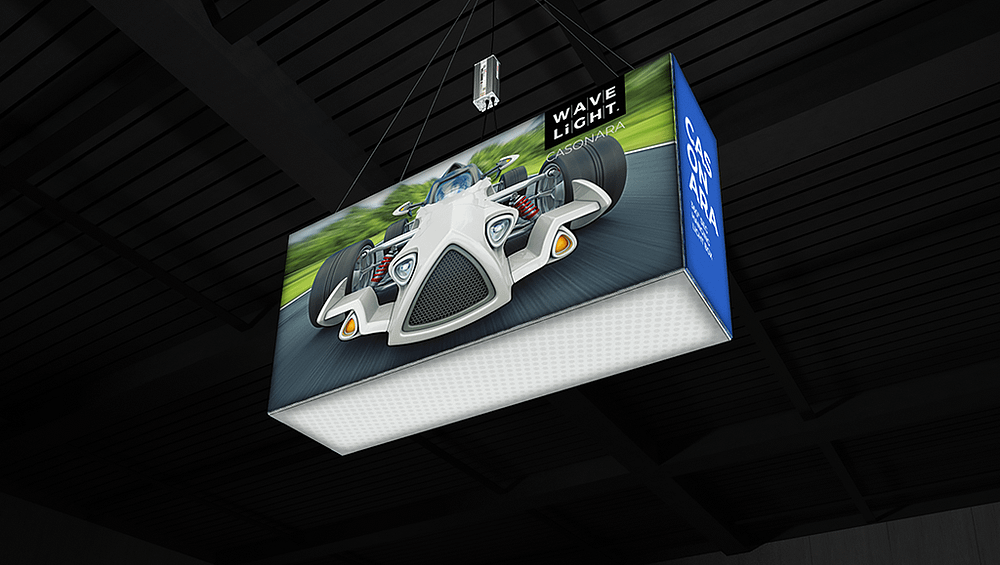
Choosing the right shape for your Hanging Banners is now a strategic decision, not a cosmetic tweak. In busy Australian retail centres, stadiums, and convention venues, the form of a banner directly influences visibility, legibility, and brand recall. As marketers face shrinking attention spans and cluttered ceilings, shape becomes a controllable performance lever. The organisations pulling ahead are those treating geometry as a measurable media choice, guided by data, not by personal taste or legacy artwork alone.
In high-traffic environments, banner shape is often the difference between a passing glance and meaningful engagement.
How Shape Drives Performance in Overhead Spaces
Shape dictates how quickly a message resolves in the eye and how efficiently it guides movement. Rectangular suspended banner systems remain the workhorse for price-led campaigns and multi-line messaging, especially where audiences are in motion. In contrast, circular overhead display frames and curved hanging banner shapes prioritise logo recognition, working best where viewing time is short but repeat exposure is high. The most effective programs deliberately mix forms, assigning each shape a specific communication job within the wider environment.
Aligning Banner Shapes with Environment and Sightlines
Physical context should be the first filter for shape selection, not an afterthought. Long horizontal forms excel over supermarket aisles, concourses, and transport hubs, matching the lateral movement of shoppers. Tall formats cut through vertical voids, making large format ceiling banners powerful tools in atriums and exhibition halls. Marketers planning Hanging Exhibition Displays should map speed of traffic, viewing distance, and approach angles, then prototype sightlines on plan or via simple 3D visualisation before committing to production.
Brand Systems, Compliance, and Operational Realities
Shape must reinforce, not fight, the brand’s visual system and sector expectations. Conservative institutions often lean on stable rectangles, while sports and lifestyle brands can push asymmetry, double-sided hanging displays, or sculptural silhouettes. Yet every deviation from standard rectangles affects hardware, freight, venue-compliant hanging structures, and installation time. Smart teams assess ROI at format level, weighing uplift in recall or wayfinding against costs, and exploring modular overhead banner kits that can be re-skinned across campaigns and locations.
Forward-looking marketers are also experimenting with data-led optimisation of Overhead Trade Show Displays and Suspended Fabric Banners. A/B testing shapes across matched sites, using metrics such as dwell time, navigation accuracy, or QR redemptions, is turning intuition into evidence. As this evidence base grows, shape playbooks will sit alongside channel mix and creative frameworks. To stay competitive, review how your current wayfinding hanging signage and Hanging Banners perform in key venues, then prioritise one or two flagship sites for structured shape experimentation with clear success metrics.
To turn banner geometry into a genuine advantage, assemble your brand, retail, and events teams to audit existing formats, map critical sightlines, and identify quick wins where shape changes could unlock better results. From there, design a test-and-learn roadmap that links specific shapes to measurable objectives, whether navigation, sales, or sponsorship visibility. If you are ready to move beyond guesswork, now is the time to review your overhead display strategy and speak with a specialist about building a data-driven banner shape framework for your next campaign.


