
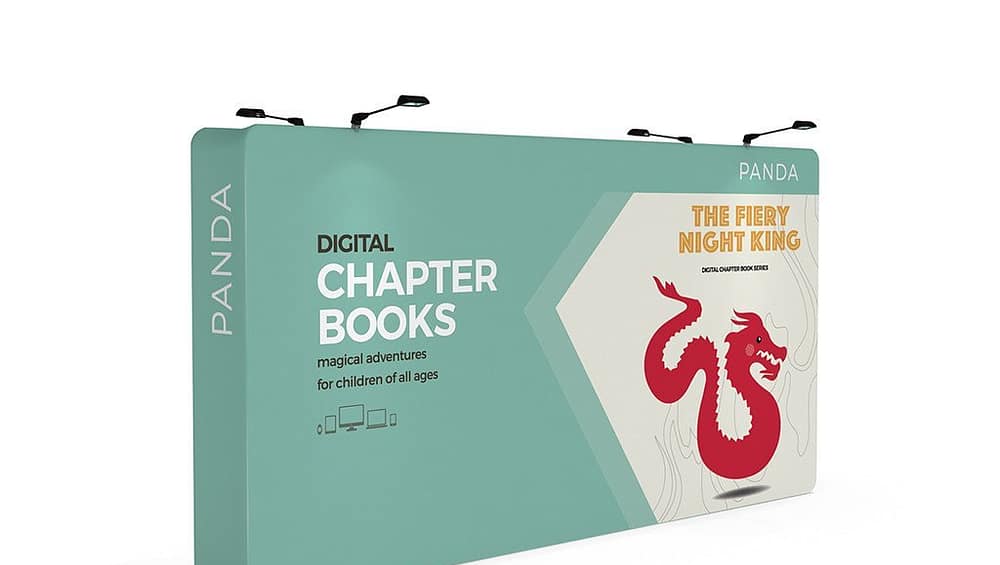
Across Australian expos, many brands still rely on flat vinyl pull-ups and generic shell-scheme graphics, even when they’ve upgraded to fabric. While the topic is Fabric Banners for Trade Shows: Unique Configuration Ideas, most exhibitors use new materials in old ways, missing the chance to stand out in busy venues like CeBIT or Fine Food Australia. In packed halls where visitors scan for what looks most engaging, a flat backdrop can quietly signal “small” and “temporary”, regardless of how strong your product or messaging might be.
Why basic Fabric Banners for Trade Shows are holding brands back
The real issue is not owning enough three-dimensional space. Straight walls alone rarely cut through when neighbouring stands use portals, curves and overhead forms. Even well-designed Fabric Exhibition Banners lose impact if they sit flush against a shell wall with no variation in height or depth. Over time, this visual sameness translates into higher cost per lead, as passers-by glance, collect a flyer and move on without meaningful engagement or memory of your brand.
Common signs your trade show layout is stuck in the past
There are clear warning signs that your configuration is underperforming. Staff report “lots of chats” but struggle to recall substantial conversations or booked follow-ups. Photos from multiple angles look flat, with no strong focal points or layering. Nearby stands seem busier or more photogenic online, even when they have similar products or budgets. If you redesign artwork for every event while using the same hardware, it suggests your structure is rigid and your spend is going into patches, not strategy.
How modern fabric configurations change visitor behaviour
Newer approaches use Tension Fabric Displays, modular tension fabric walls and hanging fabric display structures to guide movement and sightlines. Curved fabric banner configurations can frame entries and demo areas, encouraging visitors to step in, not just walk past. Collapsible portable fabric booths allow layered zones for demos, samples and quick meetings, while backlit fabric trade show backdrops create visual anchors visible across the hall. When you see dead floor space, wasted corners and no clear visitor journey, you’re leaving potential traffic unconverted.
- Your stand relies on a single rear wall with no side elements or overhead presence.
- Conversations cluster awkwardly in aisles instead of in clearly defined zones.
- Graphics look busy up close but disappear in long-lens trade show photography.
- You rarely reuse seamless fabric graphic panels beyond one or two shows.
- Technology, cables and collateral are visible rather than integrated into Portable Fabric Displays.
Ignoring these symptoms can make each exhibition more expensive than it appears. Without semi-enclosed meeting pods, double sided fabric expo graphics or lightweight fabric banner kits, it’s harder to create quieter pockets for serious discussions. Over time, teams conclude “this event doesn’t work for us” when the real problem is under-utilised space and conservative layouts.
Australian exhibitors who integrate Fabric Banners with backlit features, demo counters and seamless pathways typically see longer dwell times and clearer storytelling zones. If your team is strong on messaging but light on spatial design, talking with an exhibition specialist about Portable Fabric Displays, collapsible portable fabric booths or hanging fabric display structures can reveal practical ways to reconfigure without starting from scratch. Before your next event, review photos of your booth, map where conversations actually occurred and book a consultation to reassess your configuration before another high-cost show under-delivers.


