
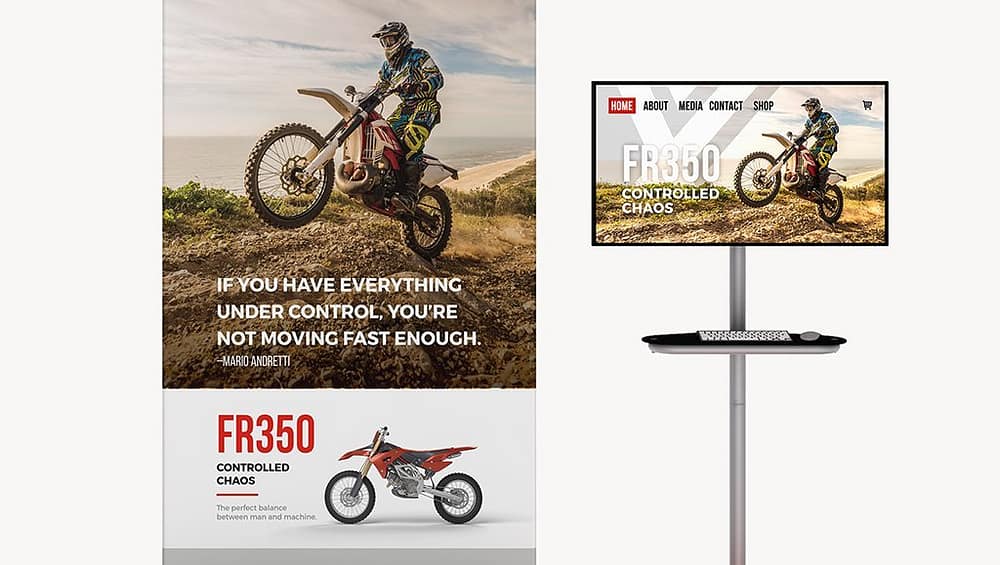
Understanding the power requirements of modern display lighting systems is critical for retailers, galleries and event organisers who rely on impact and reliability. From Banner Lighting & Accessories in shopping centres to finely tuned museum display lighting, the wrong power setup can mean flicker, failure or excessive running costs. Here are five practical things to know before you specify or upgrade your next installation.
1. Wattage, Lumens and the Right LEDs for the Job
In display lighting systems, brightness is measured in lumens, not just watts. High-quality LEDs deliver more lumens per watt, giving sharper, more consistent illumination with lower energy use. Retail display lighting above product shelves needs higher lux levels than ambient foyer lighting, while museum display lighting often uses lower output, tightly controlled beams to protect sensitive objects. Always match LED output to viewing distance, surface finish and ambient light.
2. LED Drivers and LED Power Supplies Matter
Under-specifying LED drivers is one of the fastest ways to shorten the life of your fittings. Correctly sized constant-current or constant-voltage LED power supplies ensure every luminaire receives stable output, even on long runs. For Exhibition Display Lighting and complex gallery layouts, professional load calculations avoid voltage drop, colour shift and nuisance tripping. Look for Australian-compliant drivers with robust surge protection and thermal management for 24/7 applications.
3. Circuit Design, Loads and Future Growth
Thoughtful circuit design keeps your system safe, scalable and easy to maintain. Group fittings logically by area and function, and allow headroom on each circuit for seasonal changes, new Banner Display Accessories or additional feature lighting. Consider low voltage exhibition lights for portable installations, and plan cable routes to minimise voltage drop across long runs or modular led display rails. Clear labelling and documentation are invaluable when layouts evolve.
4. Controls, Sensors and Smart Dimming
Modern lighting control systems can dramatically cut energy use while enhancing impact. Sensors, timeclocks and scene controls support dimmable trade show lighting that shifts from set-up mode to showtime at the touch of a button. For portable stands, usb powered banner lights and tablet compatible display stands enable flexible programming without complex infrastructure. Integrating monitor-ready trade show kiosks into the same control strategy keeps the entire display cohesive.
5. Efficiency, Compliance and Long-Term Value
Australian standards around electrical safety, emergency lighting and energy performance are tightening, so compliant specification is non-negotiable. Choosing energy efficient banner illumination, smart backlit shelving power options and robust Trade Show Display Accessories reduces running costs and maintenance call-outs. For complex projects, partnering with an Australian specialist in technical display lighting systems ensures every driver, fitting and control module works together seamlessly.
- Technical assessment of existing lighting loads and infrastructure
- Custom design for retail, gallery and event environments
- Specification of compatible LEDs, drivers and control gear
- Scalable solutions for pop-ups, exhibitions and permanent installs
- Support across installation, commissioning and optimisation
If you’re planning a new display or upgrading legacy fittings, speak with our Australian team for expert advice, compliant design and tailored solutions. Enquire today to request a quote and ensure your display lighting delivers maximum visual impact with reliable, efficient power performance.


