
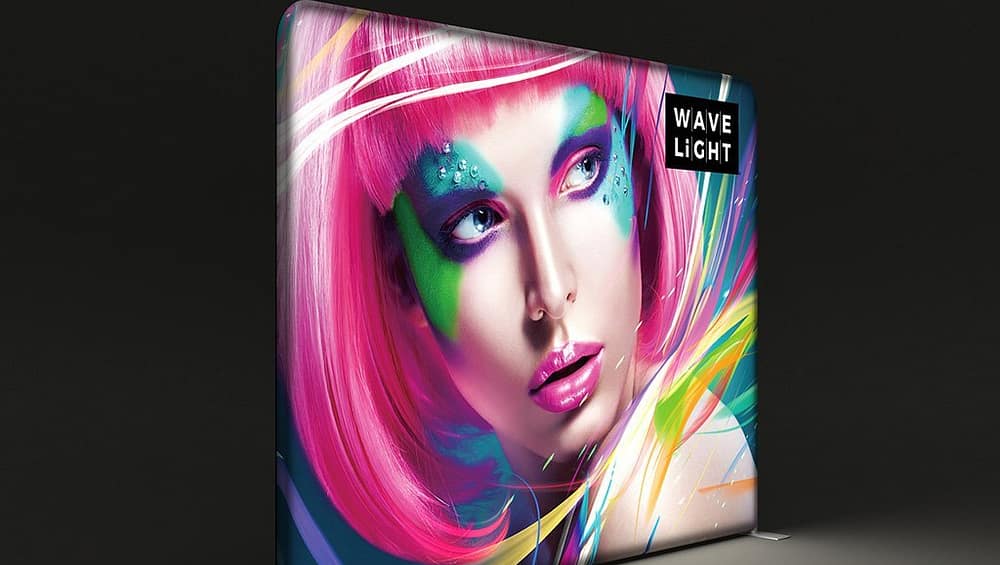
Creating Interactive Experiences with Illuminated Fabric Displays is rapidly moving from experimental novelty to strategic necessity for Australian retailers and exhibitors. As foot traffic becomes harder to win and easier to lose, brands need environments that earn attention, capture data, and guide purchase decisions. Illuminated fabric technology delivers this by pairing high-impact visual presence with the flexibility to integrate sensors, mobile content, and analytics-driven storytelling across retail and event portfolios.
Illuminated fabric displays are no longer just brighter backdrops; they are programmable canvases for measurable customer engagement.
Why illuminated fabric displays matter in Australian retail
Australian brands face rising occupancy costs and fragmented customer journeys, making every square metre work harder. Illuminated fabric displays bridge the gap between static print and full digital fitouts, offering LED-driven impact without the complexity of large-format screens. Lightweight aluminium frames and dye-sublimated textiles support quick turnarounds for pop-ups, seasonal windows, and touring activations, while also cutting freight and labour. Crucially, reusable frames and low-energy LEDs align with ESG commitments and internal sustainability targets.
Designing interactive illuminated fabric experiences
The most effective illuminated fabric strategies start with a commercial objective, not a technology wishlist. Whether the goal is increasing dwell, educating on complex products, or driving upsell, interactivity should be choreographed around that KPI. Motion sensors, touch foils, and mobile-triggered content can turn Backlit Fabric Displays into responsive storytelling surfaces. For product-led experiences, RFID or lift-and-learn triggers in front of trade show backlit fabric walls can shift content dynamically as shoppers handle different SKUs.
From pilot programs to scalable illuminated fabric platforms
Forward-thinking Australian retailers are treating illuminated fabric as a platform, not a one-off fixture. A common pathway is a 6–12 week pilot in a flagship, combining Lightbox Fabric Banners, retail window LED lightbox displays, and LED Exhibition Lightboxes to test layouts, messaging, and interaction models. Analytics on dwell, engagement hotspots, and conversion then inform a design library that can be rolled out to regional stores, exhibitions, and corporate environments, with portable tension fabric lightbox kits supporting fast deployment.
As programs mature, illuminated fabric ecosystems expand vertically and spatially. Ceiling-suspended illuminated fabric panels, freestanding illuminated banner towers, and large format glowing fabric murals can be orchestrated into zoned journeys that move people from discovery to decision. For brands needing visibility from multiple approaches, double-sided lightbox fabric graphics and edge-lit silicone edge graphic displays ensure consistent impact without extra floor space. The strategic advantage comes from continually refining content and behaviours based on live performance data.
Call to action: Now is the time to audit your current in-store and event environments. Identify where static signage is underperforming, then roadmap a pilot that pairs illuminated fabric with targeted interactivity. Partner with specialists who can align creative, hardware, and analytics so each activation becomes smarter than the last, turning illuminated fabric into a long-term experiential asset.


