
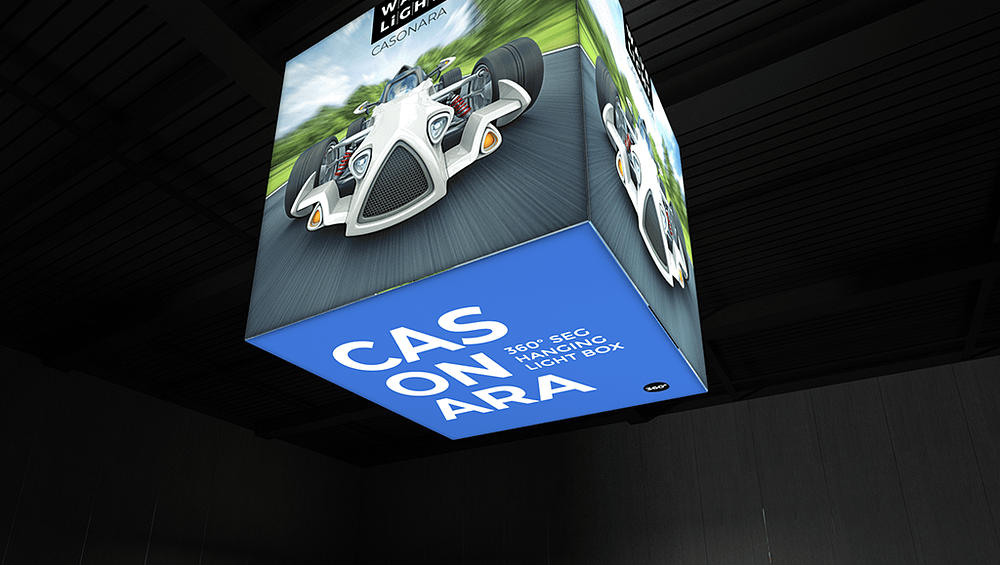
How to position banners for optimal audience engagement is now a critical question for Australian marketers facing crowded expos, stadium activations and busy shopping centres. With attention spans shrinking and media costs rising, every square metre of branding has to work harder. Smart operators are rethinking banner placement, treating it as a strategic media buy rather than an afterthought, especially when investing in premium overhead formats.
1. Prioritise Natural Sightlines and Entry Points
Audience attention clusters around entrances, registration desks, main aisles and stage fronts, so these zones should carry your highest-value messages. Map key sightlines from doorways, escalators and concourses, then position banners where they intersect. Hanging Exhibition Displays that sit squarely in this visual corridor help visitors orient themselves while reinforcing brand recall before they encounter competitors.
2. Match Banner Height to Viewing Distance
Banners at eye level work for close-range retail and expo stand interactions, but large venues demand elevated solutions. When crowds and fixtures block ground views, large-scale overhead signage and event rigging become essential to maintain legibility from 10 to 40 metres away. Always test sightlines from seated, standing and queue positions, adjusting artwork scale and contrast accordingly.
3. Use Angles, Depth and Overhead Space
Rather than sitting flat against a wall, angle banners slightly towards foot traffic to extend dwell time in a viewer’s peripheral vision. Overhead Trade Show Displays and ceiling-mounted banner systems can then add a second layer of messaging that signals zone changes, hero products or sponsors. In larger halls, high-clearance fabric structures help differentiate key stands from generic shell schemes.
4. Align Messaging With the Customer Journey
Wayfinding, education and conversion require different creative and placement decisions. Use bold directional cues at distance, then more detailed benefit copy as audiences move closer to product, demo or hospitality zones. island booth ceiling banners and aerial wayfinding banner layouts are particularly effective for guiding visitors through multi-hall exhibitions without overwhelming them with text-heavy signage.
5. Reduce Visual Clutter and Competing Signals
Too many messages in a tight footprint dilute impact, especially around LED screens and digital scoreboards. Isolate premium formats like Suspended Fabric Banners so they are not fighting with nearby sponsors or menu boards. In open-plan venues, double-sided hanging graphics and suspended branding over aisles can replace clusters of smaller freestanding units, simplifying the environment while lifting brand salience.
- Audit your venue map to identify rigging points for hanging displays before finalising artwork sizes.
- Layer messages by distance: brand and wayfinding at height, details and offers at eye level.
- Test sightlines from key queues, bar areas and concourses during bump-in, not after doors open.
- Use large, high-contrast typography for Hanging Banners that must compete with LED and crowd movement.
- Engage a specialist partner who understands engineering, safety and local venue approval requirements.
If you’re planning a complex expo, stadium or retail activation and want to maximise every impression, speak with our event branding specialists about designing, producing and installing Hanging Banners that turn overhead dead space into a high-performing media channel.


