
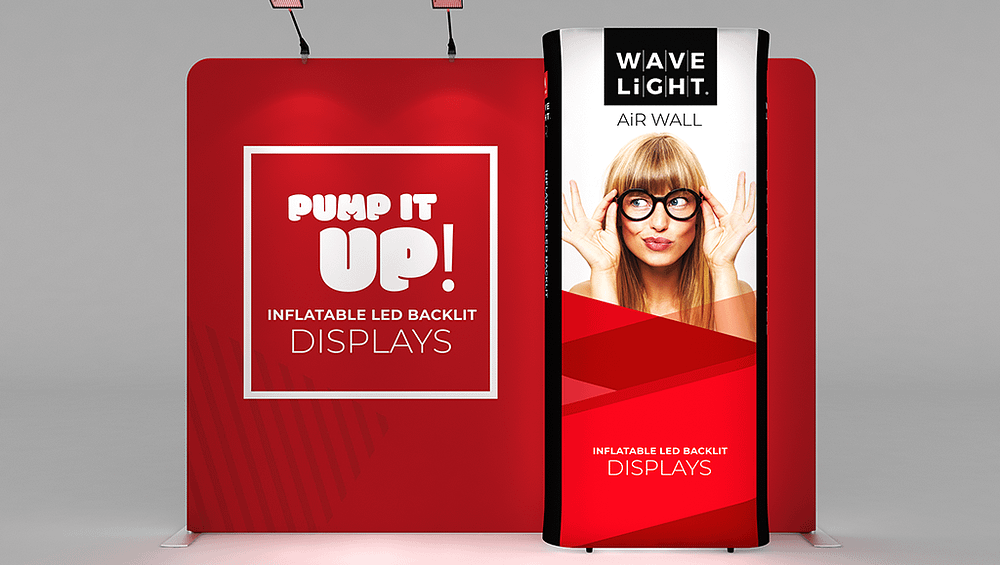
Australian retailers are under pressure to create immersive, profitable stores without blowing out fit-out budgets. Fabric Banners are emerging as a go-to solution, delivering high-end visuals, rapid campaign turnaround and practical in-store flexibility. For brands competing in busy shopping centres and high streets, the right soft-signage strategy can sharpen storytelling, cut operational friction and support national rollouts.
1. High-Impact Visual Storytelling
Advances in textile printing deliver saturated colour, crisp detail and skin tones that feel editorial, not cheap. Retailers are using fabric signage for lifestyle photography, launches and seasonal drops that need to look premium from the front door to the counter. Unlike rigid boards, fabrics perform reliably under strong LED lighting, making them ideal for capturing content in-store for social media and PR.
2. Flexible Formats for Any Footprint
From compact boutiques to big-box formats, fabric signage scales cleanly across walls, windows and fixtures. Visual merchandisers can mix Tension Fabric Displays, hanging drops and floor-to-ceiling wraps to unlock vertical real estate that usually goes unused. Because frames are lightweight and modular, store teams can reconfigure layouts quickly as ranges, seasons and traffic patterns change.
3. Portable Power for Pop-Ups and Events
As brands test new suburbs, centres and formats, Portable Fabric Displays are helping teams move fast without expensive shopfitters. Lightweight frames, curved tension fabric backdrops and reusable fabric trade show kits pack down into car-boot-sized bags and can be built in minutes by staff. That portability also suits brand activations, where Fabric Exhibition Banners and branded fabric display kiosks need to travel between locations on tight schedules.
4. Turning Stores into Immersive Spaces
Retailers are using large-format textiles to zone categories, frame hero product and create social-first moments that encourage shoppers to share. modular portable fabric walls, lightbox tension fabric frames and ceiling-hung fabric display panels can transform standard aisles into gallery-like experiences. In fashion and lifestyle, double-sided fabric banner stands are particularly effective for guiding customer flow and framing new collections from multiple angles.
5. Better Lighting, Acoustics and Comfort
Textiles naturally diffuse light, reducing harsh reflections that can make glossy substrates difficult to read or photograph. In hard-surface environments such as electronics, homewares and beauty, fabric graphics also absorb sound, taking the edge off echo and chatter. Combined with soft furnishings, this helps build lounge-like spaces where customers feel comfortable spending more time and, ultimately, more money.
- Highlight sustainable fabric choices and recycled polyester options in-store messaging.
- Use retail window fabric graphics to test new creative or price points before rolling out nationally.
- Standardise frame systems so only printed skins need replacing each campaign.
- Rotate hero visuals between stores to match local demographics and trading rhythms.
- Leverage national buying power by planning multi-season campaigns around reusable fabric assets.
For retailers planning their next signage upgrade, fabric-based systems offer a rare mix of brand impact, practicality and cost control. To explore tailored concepts, materials and rollout strategies for your stores, speak with a retail display specialist and request a quote today.


