
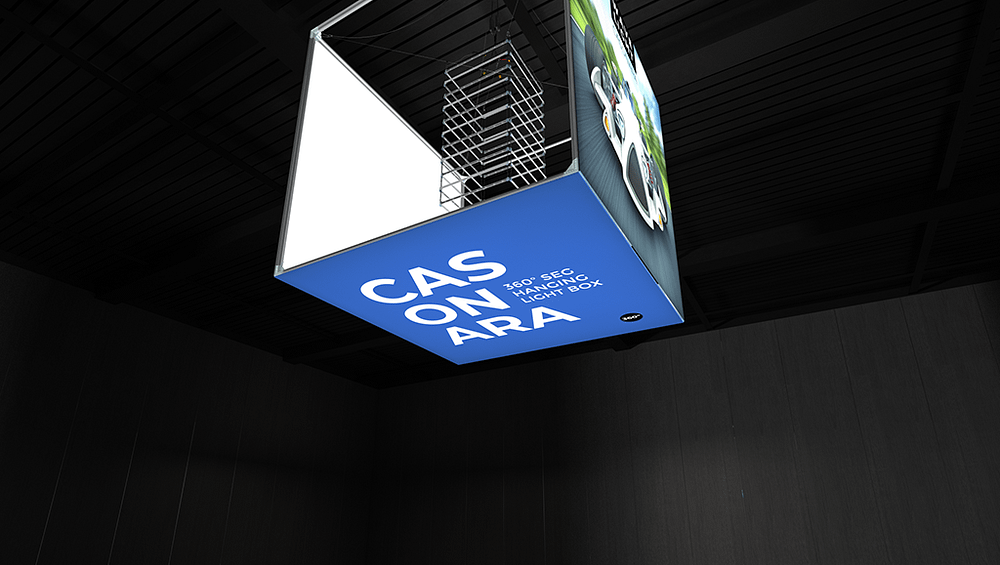
Suspended displays are rapidly becoming a staple of modern events, transforming empty ceiling space into high-performance navigation tools and branding real estate. For Australian organisers managing complex conferences, exhibitions or festivals, these elevated visuals can make the difference between a frustrated crowd and a smooth, intuitive attendee journey. When designed and implemented well, they reduce bottlenecks, cut down on staffing pressure at help desks and create a more polished, professional atmosphere from the moment doors open.
Suspended displays as a navigation solution
At the heart of effective suspended displays is strategic placement that mirrors how people actually move through a venue. Position units at major decision points such as main entrances, registration zones, foyer intersections and transitions into exhibition halls, ensuring text and symbols are clearly legible from a distance. In large halls, pairing ceiling mounted event graphics with floor decals or freestanding signs can reinforce key directions. Organisers should also consider lighting conditions, line of sight and potential obstructions like trusses or AV rigs when planning each install.
Design principles for clear wayfinding
Clarity is non-negotiable when you are asking attendees to make quick directional decisions while surrounded by crowds and distractions. High-contrast colour palettes, large type and plain-language labels help ensure hanging wayfinding signage works for both local and international visitors. Universal icons for amenities such as bathrooms, first aid and information desks should sit alongside text, while simple arrows or chevrons guide people with minimal cognitive load. For multi-day events, organisers can code zones by colour and repeat those hues in floor plans, lanyards and session signage.
- Use consistent typography, colours and iconography across all suspended units.
- Limit each display to one primary instruction or zone reference wherever possible.
- Test sightlines from key approach paths during bump-in before locking final positions.
- Combine double sided overhead banners with floor markers to reinforce directions.
- Allow adequate contrast and lighting so text remains legible in dimmer areas.
Well-planned suspended displays turn the ceiling into a live map, quietly moving thousands of people in the right direction without them ever needing to ask for help.
Dynamic content and technology integration
Digital suspended displays give organisers the flexibility to adjust information in real time, a major advantage when room allocations shift, keynote times move or weather forces last-minute changes to queues and entry points. By integrating content feeds with event apps, schedules and emergency messaging systems, organisers can ensure that directions on overhead crowd flow indicators always match what attendees see on their phones. Some venues now support basic interactivity, such as QR codes on Hanging Banners that link directly to live floor plans, session updates or accessibility information.
For exhibitions and trade shows, synchronising overhead messaging with on-stand promotions can enhance both visitor experience and exhibitor ROI. A clearly visible network of Hanging Exhibition Displays can highlight feature zones, demo stages and catering hubs without overwhelming the visual field at ground level. Meanwhile, suspended aisle marker displays help visitors locate specific stand numbers quickly, which is especially useful in large pavilions where printed catalogues are seldom consulted once people are on the floor. This coordinated approach reduces confusion and helps attendees maximise limited time on site.
Rigging, safety and venue compliance
Behind every suspended display is a critical layer of engineering and compliance work that most attendees never see. Australian venues typically have strict rules around rigging points for hanging signs, weight limits, fixing methods and certification, all of which must be respected to ensure safety. Partnering with a provider experienced in venue compliant ceiling displays means organisers can focus on programming and audience experience rather than navigating technical approvals alone. Detailed plans, load calculations and insurance documentation are now standard expectations for larger events.
Material selection also has safety implications, particularly around fire ratings and crowd density thresholds. Lightweight Suspended Fabric Banners, for instance, can provide large visual coverage without adding significant load to truss systems, while also packing down efficiently for transport and reuse. Overhead Trade Show Displays may incorporate aluminium frames, tensioned fabric skins and modular components designed specifically for fast bump-in and bump-out. Investing in professional production and installation reduces the risk of costly delays during move-in and reassures venues that best practice is being followed.
In sprawling halls or multi-level venues, large format navigation cubes are one of the most effective tools for orienting crowds at a glance. Their multi-sided surfaces can carry hall letters, zone names and sponsor identities visible from long distances and varied approach angles. Combined with directional arrows and overhead crowd flow indicators, these structures can gently steer people towards key destinations like plenary theatres, breakout rooms or transport exits. When deployed at consistent intervals, they create a simple spatial rhythm that makes even unfamiliar venues feel intuitive to navigate.
For brands seeking stronger visibility, ceiling-mounted solutions also present prime real estate for discreet but powerful messaging. Hanging Banners placed above entry boulevards or catering hubs keep sponsors in sight without crowding walkways or blocking stand façades. Some organisers combine these with more functional units such as suspended aisle marker displays, ensuring that wayfinding and commercial objectives support rather than compete with each other. Over time, reusable frames and interchangeable skins can be adapted to new sponsors or event themes, improving sustainability and cost-efficiency.
For organisers planning a major conference, expo or festival, the most effective suspended signage strategies typically emerge from early consultation with specialists who understand both design and logistics. A good partner will map attendee journeys, identify pressure points and recommend a mix of static and digital solutions tailored to your venue, budget and risk profile. To explore how ceiling mounted event graphics and integrated navigation systems could streamline your next event, consider booking a planning session with an experienced provider and request a detailed quote and draft signage plan today.