Comparing Backlit vs. Frontlit Fabric Displays: Which is Best? For Australian brands competing in busy retail and event environments, the choice between these two systems can directly affect visibility, engagement, and campaign ROI. Both formats are widely used across shopping centres, exhibitions, and corporate events, yet they perform very differently depending on lighting, footprint, and budget. Understanding how each display works, and where it delivers the most value, helps marketing teams invest in hardware that will keep working hard across multiple campaigns and locations.
What Are Backlit Fabric Displays?
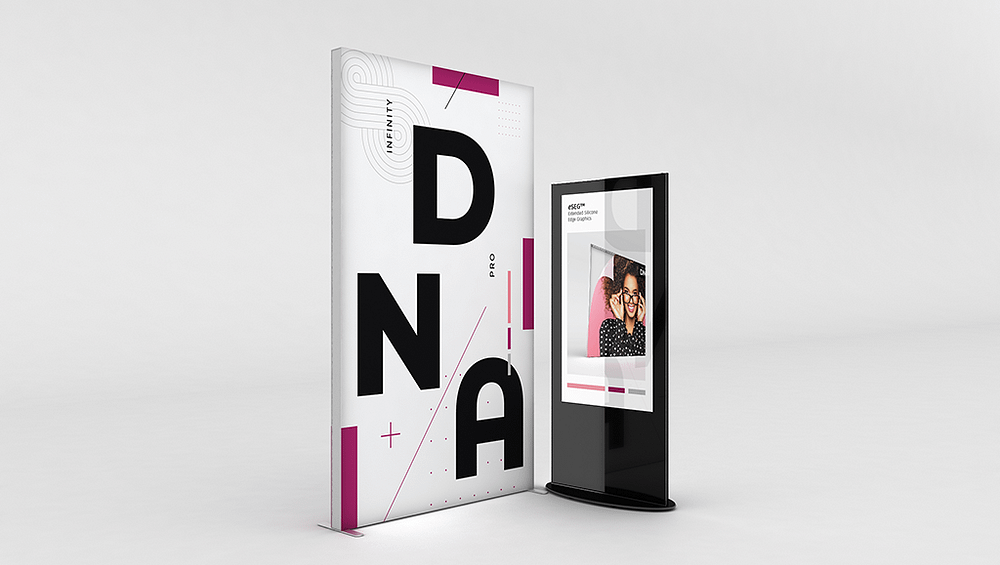
Backlit fabric displays use internal LED arrays to push light through printed fabric from behind, creating high-impact visuals with strong contrast and saturated colour. In dimmer spaces, such as internal malls or low-lit foyers, they remain bright and legible long after traditional graphics begin to fade into the background noise. Australian retailers often rely on these systems for hero walls, promotional zones, and feature signage where every passing glance counts. When produced correctly, they also minimise hot spots and shadows, helping artwork appear clean and premium.
What Are Frontlit Fabric Displays?
Frontlit fabric displays, by contrast, depend on ambient light or external fixtures such as track lighting and spotlights to illuminate the graphics. Without integrated LEDs, they are usually lighter, simpler to install, and more flexible for teams handling frequent pack-ins and pack-outs at venues around the country. For well-lit exhibition halls and modern shopping centres, they can deliver ample cut-through without the need for additional power access or electrical certification. Many brands use frontlit tension fabric displays for standard wayfinding, corporate backdrops, and secondary messaging that supports a central illuminated hero feature.
- Assess ambient lighting levels at each venue before choosing a display system.
- Define whether the display is a hero feature or supporting graphic in your campaign.
- Confirm access to power, cabling routes, and load limits with venue management.
- Plan for transport, storage, and installation based on event frequency and locations.
- Consider long-term re-skinning needs so frames can be reused across multiple campaigns.
In crowded Australian retail and exhibition environments, the right combination of illuminated and non-illuminated fabric displays can mean the difference between being noticed and being ignored.
Comparing Visual Impact, Cost, and Flexibility
When attention is the priority, many marketers lean towards Backlit Fabric Displays because they hold their own against digital screens, LED Exhibition Lightboxes, and surrounding signage. Their brightness makes them particularly effective for new product launches and seasonal campaigns, including backlit fabric light walls or freestanding illuminated fabric towers in atriums and entry zones. However, these systems come with higher upfront costs due to LEDs, controllers, and engineered frames. Frontlit systems offer a leaner alternative, especially for regional roadshows or events where freight costs, tight bump-in windows, and limited access to power are ongoing challenges for stretched brand teams.
Beyond the headline cost, it is worth considering long-term flexibility. Illumination is rarely required for every communication point across a campaign; mixing formats can be more economical and visually effective. Illuminated Fabric Banners might anchor a space, supported by unlit graphics, portable LED fabric backwall units, or ceiling-hung fabric light panels that are used selectively. Systems such as double-sided LED fabric frames can be particularly beneficial in thoroughfares, where messaging needs to be visible from multiple directions. By planning an ecosystem rather than a single stand-alone sign, businesses can build a reconfigurable toolkit that adapts to future campaigns.
Choosing the Right Solution for Your Brand
Different sectors in Australia often gravitate to specific solutions. Fashion and beauty retailers favour Lightbox Fabric Banners for their clean finish and cinematic quality, while corporate and education sectors may prefer understated frontlit solutions for conferences, AGMs, and training events. For brands relying heavily on foot traffic, a retail window fabric lightbox can operate almost like a silent salesperson after trading hours, drawing passers-by towards the store. Meanwhile, trade show fabric lightboxes and frontlit systems continue to appeal to exhibitors who require modularity, quick assembly, and easy transport between states.
For marketing managers focused on consistency, it is important that colours and logos appear accurate across formats, whether on frontlit graphics or more advanced solutions like a portable LED fabric backwall. Working with a specialist supplier who understands profiling, fabric stretch, and LED colour temperature reduces the risk of off-brand tones under different lighting conditions. Many providers can also advise whether frontlit tension fabric displays will achieve your goals, or if a more layered combination of frontlit and illuminated solutions is required to meet campaign objectives without overspending. In every case, the aim is to match display technology to your specific environment, message, and budget.
To decide confidently between backlit and frontlit formats for your next Australian campaign, speak with a specialist display partner who can audit your sites, recommend configurations, and provide concept visuals before you commit. A tailored consultation will help you balance impact, practicality, and cost, ensuring your investment continues to perform across multiple events and retail activations. If you are ready to lift visibility and generate more qualified enquiries from every installation, request a detailed quote today and explore how the right combination of fabric displays can strengthen your brand presence all year round.