
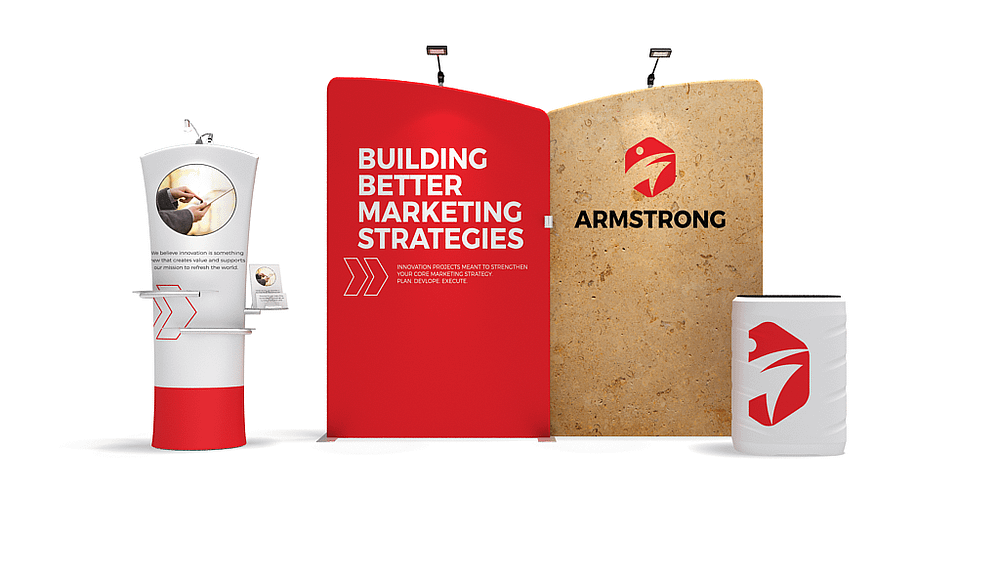
Australian sales and marketing teams are travelling more than ever, yet many still rely on ageing Exhibition Stand Kits that quietly drain budgets and blunt campaign impact. On the surface, these kits appear cost-effective and “good enough”, but once they’re on the road, weaknesses in weight, durability and design start to surface. For organisations juggling back-to-back events, those hidden flaws can snowball into missed leads, stressed staff and an inconsistent brand presence across the country.
Portable Exhibition Stand Kits: The Hidden Risks for Travelling Exhibitors
For teams rotating between convention centres, industry expos and regional field days, Portable Exhibition Stands effectively become mobile offices. When cases are overweight, graphics crease easily or components don’t lock together cleanly, every bump-in becomes a risk to schedule and presentation quality. Research from Australian industry bodies has linked poor setup experiences with reduced visitor engagement, as staff arrive flustered and displays look improvised rather than intentional.
Common Portability Problems Exhibitors Overlook
Many marketers assume any compact Trade Show Display Kits will suit a travelling circuit, only discovering trouble at check-in counters or during tight bump-in windows. Cases that exceed airline limits trigger excess baggage fees, while airport travel ready booth kits often prove less robust than advertised once they face Australian freight conditions. Kits that require tools or multiple staff clash with lean event teams, and lightweight portable booth systems can flex or wobble on uneven venue floors, undermining confidence in the brand they represent.
Early Warning Signs Your Stand System Is Holding You Back
Warning signs rarely arrive as a single disaster; they creep in as low-level friction. Staff dread setup days, keep gaffer tape in their lanyard pockets, or quietly trim event schedules because the stand is “too hard to move”. Folding exhibition booth backdrops that sag, tool-free exhibition stand frames that loosen over time, and Exhibition Booth Displays that need constant touch-ups all indicate a system past its prime. Over several seasons, that friction erodes morale and makes it harder to justify smaller yet strategically valuable events.
- Rising excess baggage and courier damage claims for cases and graphics.
- Layouts compromised to fit awkward hardware instead of small footprint trade show layouts.
- Teams relying on generic venue furniture instead of branded compact pop up exhibition displays.
- Carry-on friendly display stands promised by suppliers proving cumbersome in real travel.
- modular trade show booth kits that are difficult to reconfigure for different venue sizes.
When these challenges pile up, the true cost extends well beyond replacement panels and broken connectors. Exhibitors miss prime bump-in slots, deliver truncated demos, or present with only part of their visual story in place. In sectors such as technology, professional services and medical devices, where credibility rests heavily on first impressions, outdated Exhibition Stand Kits can shorten conversations with serious buyers before they start. A brief, honest audit of how your stand actually travels and performs is often the first step towards a smarter, more sustainable setup.
If your event kit demands a toolkit, extra labour or constant workarounds at each venue, it may be time to reassess. Speaking with exhibition specialists familiar with Australian venues, airline rules and carry-on constraints can highlight more efficient options, from refined Portable Exhibition Stands to genuinely travel-ready configurations. Before your next events season fills up, take the time to review your system, gather candid feedback from your road team, and seek expert guidance on stand choices that support – rather than sabotage – your travel-heavy schedule.