
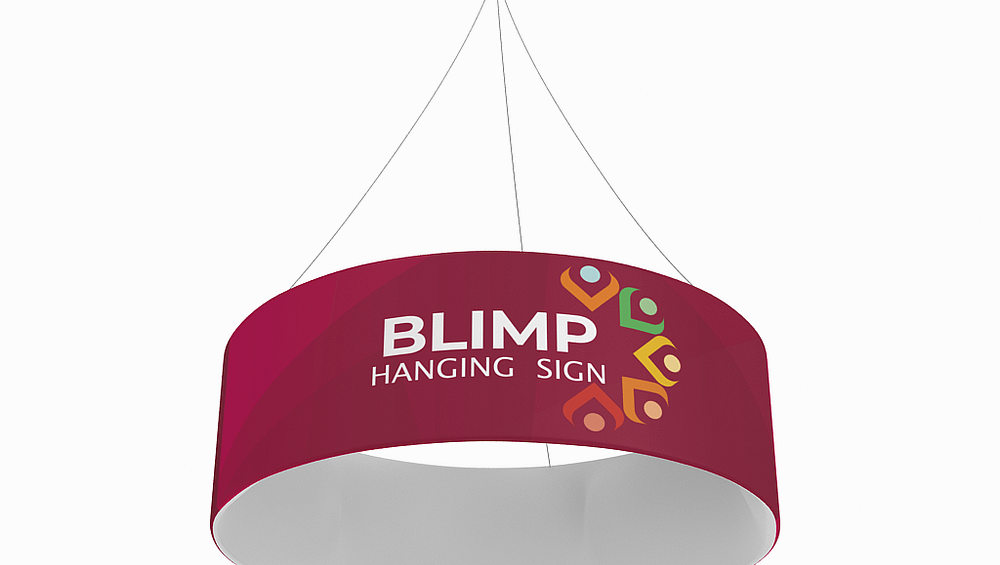
Many exhibitors focus on floor graphics and stand design yet overlook one critical factor: suspended display height. In busy Australian exhibition halls, the wrong vertical positioning can cripple visibility, even when the branding itself is strong. The real issue is not whether you have overhead signage, but whether it sits within realistic sightlines as visitors scan the hall in seconds.
Recognising the Visibility Problem Above the Trade Show Floor
On a packed show floor, your stand competes with a forest of Hanging Exhibition Displays, light rigs and venue wayfinding. If your branding sits too low, it quickly disappears behind neighbouring structures. Too high, and it becomes a fuzzy logo that no one can actually read. Many exhibitors assume that “higher is always better”, without testing how the display will look from key aisles and approach angles.
Why Suspended Display Height Matters
Visitor behaviour studies show people rely heavily on Overhead Trade Show Displays to navigate unfamiliar halls. That means your suspended graphics must sit within a practical viewing distance for legible messages, not just abstract branding. In Australia, common height guidelines for overhead displays cluster around 4.5 to 6 metres, but ceiling variations, spotlights and trusses can all disrupt clean sightlines and dilute impact.
Common Mistakes with Suspended Display Planning
One recurring mistake is simply copying last year’s rigging plan without checking new floorplans, venue rules for overhead signage or nearby competitors. Others choose dense copy or intricate logos for Suspended Fabric Banners and push them close to the roof, where they blur into the background. At the other extreme, double sided hanging signs installed too low can overwhelm a modest stand footprint and trigger compliance concerns.
- Relying on maximum permitted height instead of tested viewing distance for suspended graphics from key aisles.
- Ignoring how fabric hanging structures for expos will compete with lighting trusses, speakers and venue branding.
- Treating suspended booth signage placement as an afterthought rather than integrating it with stand design.
- Designing trade show ceiling banners with too much text or fine detail for the final installed height.
- Overlooking how an island booth hanging banner layout affects visibility from secondary approaches and cross aisles.
Warning signs often emerge on site. If visitors tell your team they “nearly missed” the stand or only saw it once they were adjacent, your overhead presence is probably too subtle. Crowds funnelled past your location towards louder neighbours suggest their Hanging Banners are doing more to attract attention. Last-minute height changes demanded by riggers can also push signage into visual clutter, reducing clarity.
Given the rigging costs and safety constraints involved, guessing at the right level can be an expensive gamble. A more robust approach is to model lines of sight, test viewing distance for suspended graphics using past event photos, and interrogate venue documentation early. If your last show photos rarely show your brand from the main aisles, it may be time to speak with an exhibition specialist about optimising suspended display height before your next event.