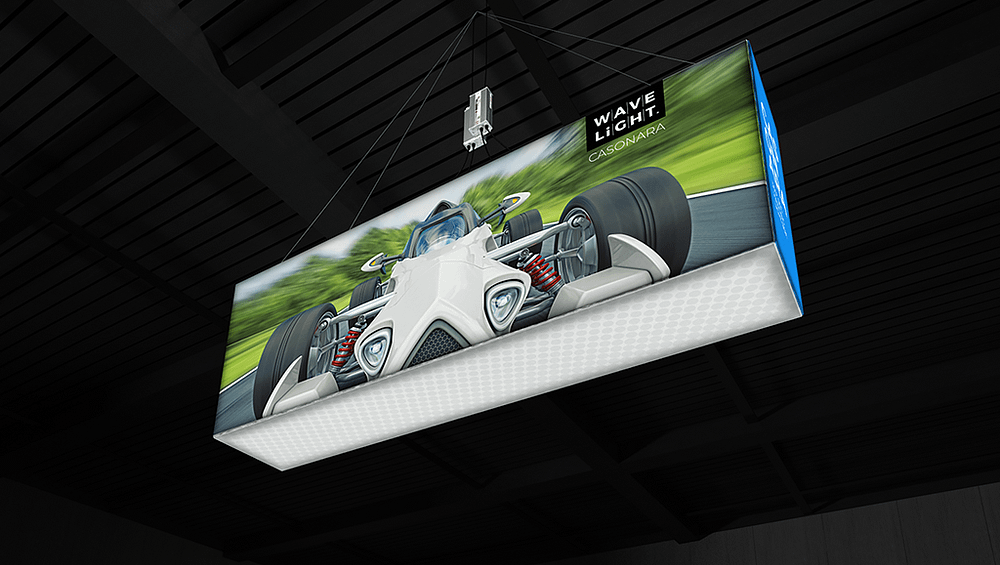
Navigating exhibition layouts is rarely straightforward, especially when Hanging Banners are involved. Many Australian marketers assume that if their stand looks polished in a 3D render, the real-world version will perform just as well. On site, however, crowd density, blocked sightlines and competing visuals mean even the strongest creative can vanish into the noise, undermining brand visibility and visitor engagement.
Navigating Exhibition Layouts: Best Practices for Hanging Banners
The most common issue is simply treating banners as decoration rather than as strategic wayfinding and attention tools. In busy halls, Hanging Exhibition Displays, floor graphics and product towers all compete for a visitor’s focus during the first few seconds of approach. When banners are not planned in relation to aisles, neighbouring stands and hero products, potential leads can walk straight past without ever seeing key messages.
Why layout mistakes are so common
Layout problems often start with assumptions made at the design stage. Artwork is approved on laptops, not from ten or fifteen metres away, so type sizes and contrast are rarely tested for real viewing distances. Teams reuse graphics designed for smaller events, forgetting that Overhead Trade Show Displays must work in much larger, higher-ceilinged venues where details quickly disappear and brand recall suffers.
Visibility, legibility and wasted investment
Even when structures look impressive, subtle visibility issues can quietly erode impact. Headlines that seemed bold in proofs may become unreadable on ceiling-mounted exhibition banners once rigged at height. Glossy substrates can flare under mixed convention centre lighting, while double-sided hanging trade graphics may only face one key traffic stream, leaving entire aisles underserved and product zones overlooked.
- Headlines too small to read from primary aisles or entrance approaches.
- Large format overhead signage placed directly above dead zones instead of hero products.
- Suspended Fabric Banners clashing visually with neighbouring colour palettes.
- Island booth hanging structures drawing crowds to the wrong side of the stand.
- Suspended wayfinding display signs blocked by lighting rigs or venue pillars.
Behind the creative decisions sit practical and safety concerns that are easy to underestimate. Australian venues enforce strict rigging requirements for overhead displays, yet approvals are often left until the last minute. Without clear engineering data, fabric banner systems for atriums and high-ceiling venue banner ideas may be scaled back or removed, turning a carefully planned focal point into a blank space on opening morning.
When teams are debating heights on build day or improvising ceiling-mounted solutions, it’s usually a sign expert input was missing earlier. Professional planners can map traffic patterns, align ceiling-mounted exhibition banners with key sightlines, and ensure compliance long before freight leaves the warehouse. Before your next show, review how your current layout handles Hanging Banners and consider seeking specialist guidance so your stand works harder than ever.