
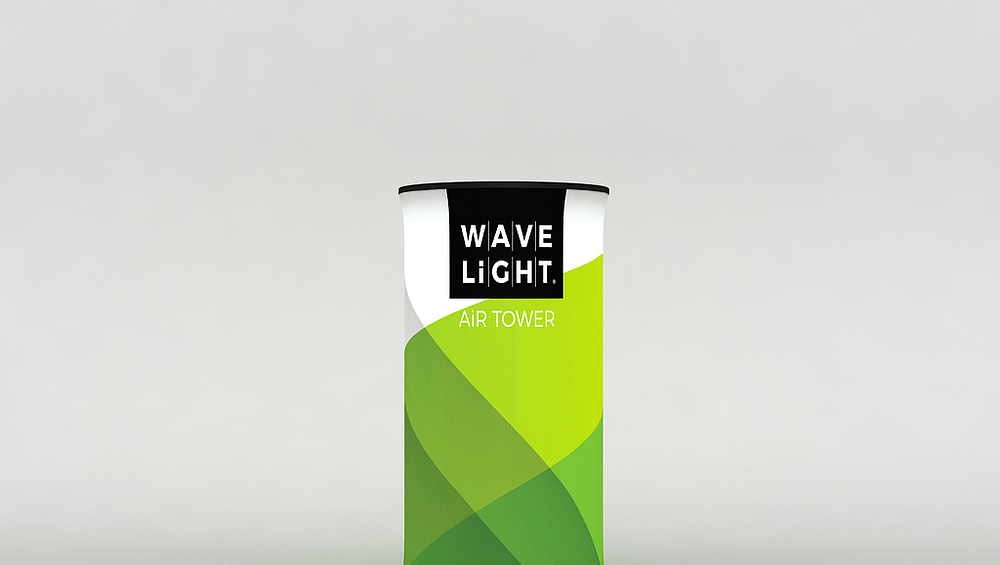
Event organisers across Australia are investing heavily in content, speakers and venues, yet overlooking one critical factor in audience engagement: the podium. When Towers & Podiums are treated as generic stage furniture instead of communication tools, even high-profile conferences and business events can feel flat. Poorly considered podium height, position and lighting quietly undermine speaker presence, making it harder for delegates to focus, connect and remember key messages long after the event ends.
Why Podium Design Matters for Engagement
In a crowded events calendar, audiences expect a polished, seamless experience, and the podium is the visual and acoustic focal point of that experience. If sightlines are blocked or sound is patchy, delegates quickly disengage, turning to phones or side conversations. This is particularly risky at sponsored events, where misjudged podium design can dilute brand visibility and devalue premium speaking slots. Over time, that erodes trust in the event’s professionalism and reduces the likelihood of repeat attendance.
Visibility, Layout and Technology Pitfalls
Common layout mistakes include lecterns positioned too low, cluttered stages and event podium backdrops for audience sightlines that look impressive but obscure the speaker from certain angles. Hybrid events face additional risks when awkward podium placement produces unflattering or distant camera shots. Technology gaps add further strain: missing confidence monitors, unreliable microphones or limited power access force presenters to improvise and break eye contact. Delegates notice, and they often blame the event rather than the tech.
Accessibility, Inclusivity and Missed Branding
As accessibility expectations rise, Australian events that ignore wheelchair access, adjustable lecterns or hearing support risk more than complaints; they send a message about who is welcome. Podiums that cannot accommodate presenters with different heights or mobility needs limit speaker diversity. At the same time, unbranded lecterns for conference stages waste prime storytelling space. Clever use of Exhibition Display Towers, illuminated display towers for dark venues and event graphics can reinforce themes and cultural recognition without overwhelming the stage.
- Delegates reporting they “couldn’t see the speaker” or struggled with sound in post-event surveys.
- Presenters avoiding the lectern, wandering awkwardly or relying heavily on slides to carry the message.
- Minimal audience questions or interaction during Q&A, despite strong, relevant content.
- Podiums that cannot be adjusted or reconfigured for different speakers, formats or hybrid broadcasting.
- Generic staging where Portable Event Podiums, modular podium systems for trade shows or interactive display podiums for demos are never considered.
Ignoring these warning signs can gradually weaken an event brand, disappoint sponsors and reduce delegate return rates. By contrast, carefully planned Towers & Podiums, supported by elements such as inflatable wayfinding columns for events, portable speech podiums for outdoor festivals or double-sided exhibition tower signage, can transform the stage into a genuine engagement asset. Before your next conference or expo, review your podium strategy, test sightlines and technology, and speak with an experienced production partner to address risks early rather than learning from another flat audience response.