
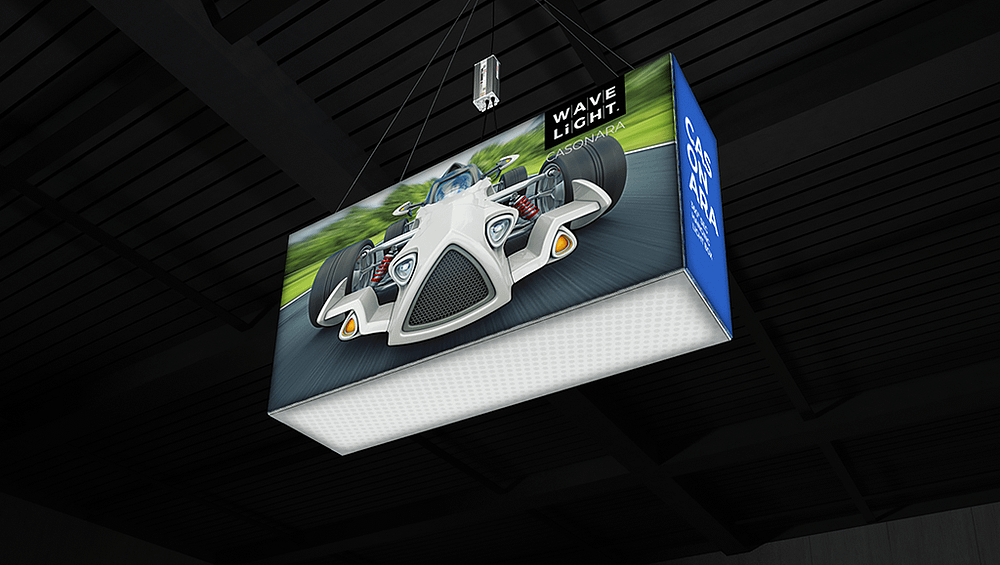
Hanging displays in Australian event venues are often treated as simple décor, yet they carry complex structural, legal and safety implications. When organisers underestimate the risks behind overhead event displays, they expose themselves and venues to potential Work Health and Safety (WHS) breaches, budget blowouts and damaged brand credibility. From ceiling mounted exhibition signs to intricate Hanging Exhibition Displays, every element suspended above attendees demands careful, early planning.
Key Considerations for Hanging Displays in Event Venues
For many organisers, the main problem is assuming any creative concept can be safely suspended as long as space is available. In reality, hanging displays in event venues depend on certified rigging points for hanging signage, strict load limits and detailed documentation covering weights, materials and fixing methods. Australian venues frequently insist that only licensed or highly experienced riggers handle overhead work, and that engineering evidence is supplied before sign-off.
Understanding Safety and Compliance Risks
Misjudging the structural demands of hanging displays in event venues can manifest first during bump-in, when rigging supervisors refuse unsafe concepts. WHS legislation, Australian Standards for temporary structures and insurer expectations all converge at this point, and non-compliant builds may need last-minute redesigns. Displays positioned without regard to sprinkler systems, emergency egress or broadcast sightlines can also be rejected, leaving sponsors unhappy and schedules under pressure.
Warning Signs Your Overhead Plan Isn’t Ready
Several early indicators suggest hanging displays in event venues are not yet viable. Common examples include concepts without accurate weight calculations, no confirmed rigging plotted on current venue plans, or ad-hoc timber framing that is difficult to certify. Designs relying on last-minute on-site tweaks, or ignoring forklift, stage and lighting truss clearances, frequently lead to costly delays and compromised Overhead Trade Show Displays.
- No consolidated weight schedule for all overhead branding elements
- Unclear or provisional rigging diagrams not endorsed by the venue
- Concepts using complex lightweight fabric hanging structures without engineering advice
- Overhead pieces that may obstruct suspended wayfinding displays or exit signage
- Creative ideas such as circular overhead display frames or modular hanging banner systems with no installation methodology
Technical constraints also shape the impact of Hanging Banners and other overhead branding. Poorly placed large venue overhead banners can disappear in high roof spaces or clash with double sided hanging graphics nearby. Ignoring attendee movement patterns means even striking Suspended Fabric Banners may miss key traffic flows, while mismatched sizing or angles can reduce visibility of ceiling mounted exhibition signs and suspended wayfinding displays around entry points.
As venues become more complex, relying solely on internal marketing teams to manage hanging displays in event venues is increasingly risky. Early collaboration with specialist riggers and signage partners helps align creativity with safety, especially for large venue overhead banners or intricate lightweight fabric hanging structures. Before your next show, review your plans for Overhead Trade Show Displays, check every rigging diagram against venue rules, and speak with an expert who can stress-test your concepts. Now is the time to assess your upcoming events, clarify unresolved rigging questions, and book a professional consultation so minor oversights do not become major on-site problems.