
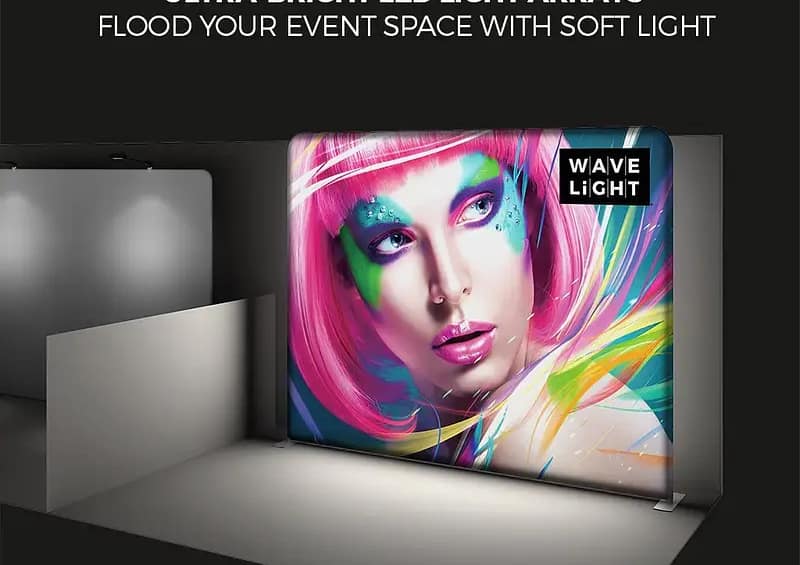
Key Features of WaveLight® LED Lightboxes for Retail Spaces
Understanding LED Lightboxes in Modern Retail
In contemporary Australian retail, LED lightboxes have become a staple for high-impact visual merchandising. Using slim, premium aluminium display frames with internal LEDs and fabric graphics, they create bright, evenly illuminated visuals that outperform traditional fluorescent units. These illuminated display solutions help retailers cut power use while boosting visibility in busy centres. For store planners and marketing teams, understanding how these systems work makes it easier to specify the right sizes, brightness levels, and mounting options for each store environment.
Key Features of WaveLight® LED Lightbox Systems
The primary strength of WaveLight® LED Lightboxes is their ability to deliver vivid, evenly lit graphics without visible hotspots. Specially printed SEG fabric lightbox graphics are tensioned across the frame, while integrated LEDs provide uniform backlighting that keeps imagery sharp and legible from a distance. Many systems use modular LED lightbox frames, allowing retailers to scale from small window units to large backlit retail displays. High Colour Rendering Index (CRI) LEDs also help ensure brand colours and product photography appear accurate and consistent across locations.

Benefits for Australian Retail Spaces
For Australian retailers, a WaveLight® LED Lightbox offers meaningful operational and marketing benefits. LEDs consume significantly less energy than fluorescent tubes, supporting energy efficient lightbox signage and helping to meet centre sustainability targets. Their long lifespan reduces maintenance visits and replacement costs, which is critical for multi-site brands. Slim profiles and low heat output make them suitable for compact kiosks, shopping centre entrances, and enclosed window bays. Retailers can also specify single or double sided LED lightbox options to capture foot traffic from multiple directions.
Practical Applications and Examples
In practice, these systems excel wherever strong visual impact is needed to guide customer attention. Fashion chains use custom lightbox designs in window displays to showcase seasonal campaigns, while supermarkets install backlit units above fresh produce to emphasise colour and quality. Portable lightbox display systems can be redeployed for pop-up activations or trade show lightbox displays, keeping branding consistent across channels. Shopping centres may combine permanent frames with portable advertising signs to support rotating promotional programs without major fit-out changes.
What to Consider Before Choosing a System
When selecting LED lightboxes, retailers should first review the available sizes, installation methods, and change-out process for graphics. Consider whether freestanding units, wall-mounted frames, or hanging configurations best complement existing fixtures and traffic flow. Think about how often creative will change and whether your team can manage fabric swaps in-house. For national brands running regular campaigns, backlit retail displays that use standardised frame sizes simplify rollouts. It is also important to confirm power access, brightness levels, and compliance with local centre guidelines.
Educational Call to Action
If you are planning a new store, refurbishment, or national campaign, take time to map out where a WaveLight® LED Lightbox will add the most value to the shopper journey. Prepare questions about sizing, installation access, and artwork specifications before speaking with a visual merchandising specialist. Ask how different backlighting options affect colour accuracy, and which frames are most suitable for long-term versus short-term use. By seeking expert guidance early, you can implement LED lightboxes that align with your brand standards, operational needs, and budget.


