
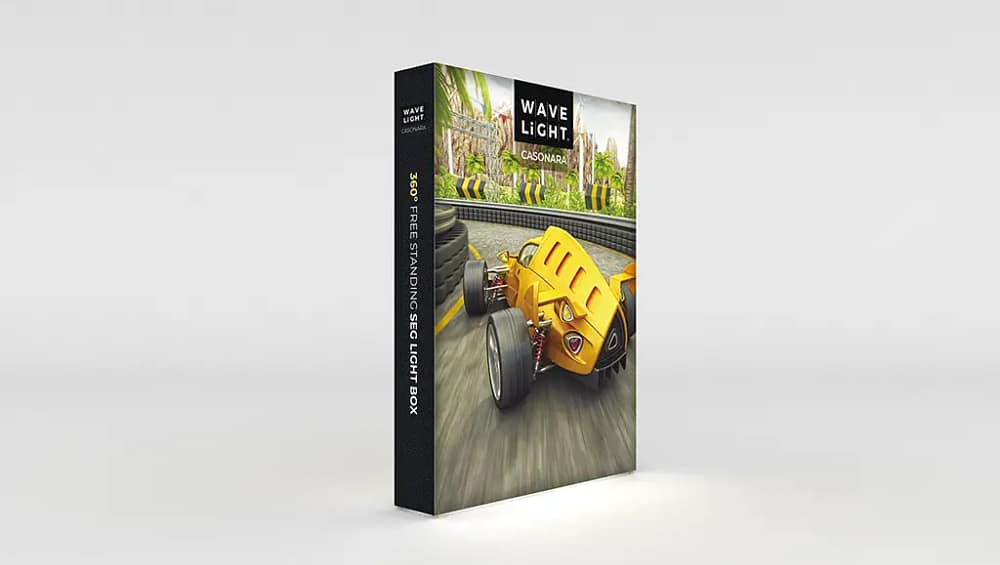
WaveLight® Casonara Lightboxes: Essential for Modern Corporate Displays
Across Australia, many corporates still rely on pull-up banners and ageing signs that struggle to stand out in busy venues. In foyers, conference centres and shopping centres, these dull visuals are competing with digital screens, bold retail fit-outs and bright event activations. When your brand disappears into the background, you are not just facing an aesthetic problem, but a serious visibility and engagement issue. Over time, that loss of attention quietly undermines marketing ROI and event budgets.
The Hidden Cost of Dull Corporate Displays
The most obvious cost of tired displays is lost audience attention at conferences, expos and roadshows. Less obvious is how uninspiring signage affects staff pride, stakeholder perceptions and even venue compliance. Washed-out graphics, flickering lights and mismatched systems can make a business appear disorganised or behind the times. In an environment where competitors are investing in illuminated display solutions, standing still effectively means sliding backwards in perceived professionalism.

Why Modern Brands Are Shifting to Backlit Fabric Systems
International research shows illuminated graphics draw more attention and keep viewers engaged for longer than non-lit signage. This is where the WaveLight® Casonara Lightbox, combining energy-efficient LED lightboxes with tension fabric skins, is changing expectations. Evenly lit surfaces ensure colours appear vivid in event photography and in-person. For Australian marketers under pressure to justify every activation, ignoring modern backlit trade show displays is increasingly a missed opportunity to maximise spend.
- Visitors walk straight past your stand while stopping at brighter, more engaging booths nearby.
- Staff avoid using existing portable advertising displays because they are bulky, damaged or visually dated.
- Event photos show patchy lighting, dark corners and branding that disappears in the background.
- Facilities teams are constantly replacing globes or repairing frames instead of using reusable exhibition lightbox hardware.
- Different suppliers have produced signage over time, leaving foyers and meeting spaces looking inconsistent.
These symptoms often stem from short-term procurement decisions, where cheapest upfront cost wins over lifecycle value. Organisations reprint non-backlit pull-ups for every campaign instead of investing in modular lightbox display systems with reusable skins. Lighting is bolted on rather than integrated, so results are uneven and hard to photograph. Many teams still see premium illuminated signage as “just for expos”, overlooking how seg fabric lightbox graphics and portable illuminated branding walls can also lift offices, showrooms and high-impact retail lightboxes.
As more Australian brands experiment with custom lightbox designs and high-spec backlit environments, sticking with old hardware carries real risk. Competing displays look sharper and more cohesive, even when their offers are similar. Over time, the hidden costs of frequent reprints, ad-hoc hires and rushed fixes exceed a planned shift to modern systems such as portable advertising displays and modular frames. For complex programs, energy-efficient LED lightboxes can also reduce power use and WHS risks compared with older, hotter technologies.
If your corporate signage is more than a few years old or difficult to move between locations, now is the time to review. Assess whether your current setup could be replaced with portable illuminated branding walls or backlit trade show displays that work across multiple environments. Consider how modular frames and reusable skins can support evolving campaigns without constant waste. Speak with a specialist in illuminated display solutions who understands Australian venues, WHS standards and branding, and request a consultation to identify gaps before the next major event exposes them.


