
OneFabric® Pop-Up Banners: Material Insights for Buyers
Understanding OneFabric® Pop-Up Banners fabric performance
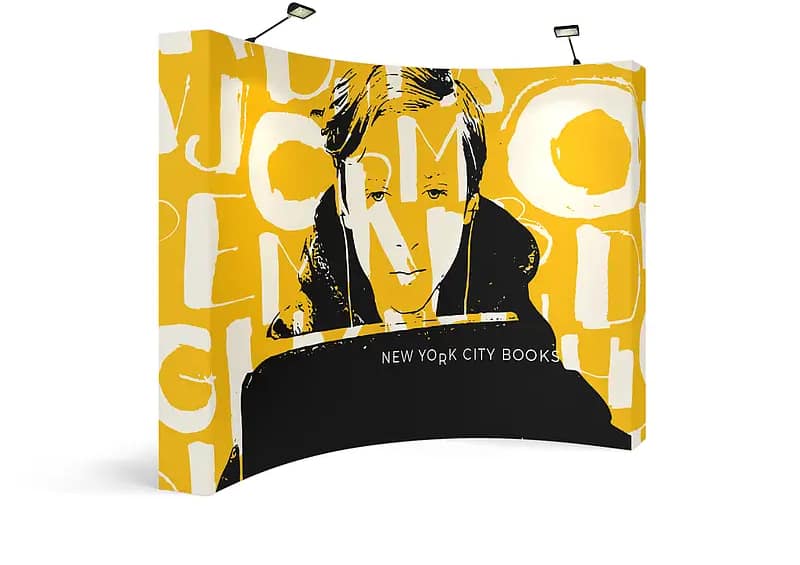
OneFabric® Pop-Up Banners are a popular choice for Australian businesses seeking professional yet portable advertising solutions. These systems use a tensioned polyester graphic that stretches over a collapsible frame to create a smooth, continuous image. The result is a streamlined tension fabric backwall that looks more polished than traditional vinyl banners. For marketing teams managing frequent campaigns, understanding how this fabric behaves helps ensure consistent presentation across different venues and events.
Why polyester tension fabric matters for display quality
Polyester tension fabric is valued for its balance of strength, weight, and colour accuracy. The tightly woven fibres support high-resolution dye-sublimation printing, so branded event signage appears crisp under bright exhibition lighting. Compared with PVC, the fabric is lighter, easier to fold, and far less likely to crack over time. This makes it particularly suitable for travel-friendly display systems used at interstate conferences, shopping centre promotions, and regional field events. For teams on the road, reduced freight weight also means lower transport costs.

Key material features buyers should compare
When reviewing fabrics for OneFabric® Pop-Up Banners, pay close attention to weight, opacity, and stretch. Fabric weight, measured in GSM, affects durability and how premium the surface feels; heavier fabrics usually hide the frame, cabling, and wall markings more effectively. Good opacity helps prevent backlighting from washing out logos or photography on custom fabric displays. A controlled level of stretch ensures the graphic pulls tight without warping straight lines or text. It is also worth confirming whether the fabric is wrinkle-resistant and machine washable for easier day-to-day care.
Durability, care, and sustainability considerations
With correct handling, polyester graphics can deliver reusable exhibition graphics for several years of events. Most prints can be machine washed on a gentle cycle, which is useful after busy trade shows or outdoor activations. To extend lifespan, store graphics rolled or loosely folded and avoid harsh chemical cleaners that may damage the ink. Many Australian organisations also now ask about eco-conscious options, including fabrics produced with recycled yarns or reduced-water printing processes. Clarifying which claims are independently verified helps you avoid greenwashing when selecting event marketing tools.
Choosing the right fabric specification is closely linked to how and where your branding will appear. High-traffic retail activations or pop up marketing stands may justify a heavier, more robust textile, while occasional conferences might prioritise lightweight fabric backdrops that pack down into compact display solutions. Teams that fly regularly often value portable trade show displays that set up in minutes and fit into a small carry case. When comparing OneFabric Pop-Up Banners, consider how frequently you will update creative, who will handle set-up, and whether you require strictly consistent colour across multiple units.
If you are planning a schedule of exhibitions across Australia, it can be helpful to discuss your calendar and objectives with a display specialist before investing. They can suggest portable advertising solutions that suit your team size, storage space, and logistics, while still achieving a cohesive family of branded event signage. By understanding fabric options, print methods, and care requirements in advance, you will be better placed to choose portable trade show displays that support both immediate impact and long-term value. To explore specifications and care guidelines in more depth, consider speaking with a supplier experienced in OneFabric® systems and other pop up marketing stands.


