
Australian events are becoming more sophisticated, yet one issue keeps undermining the attendee experience: confusing information once people arrive on-site. Organisers focus on headline acts, exhibitor line-ups and hospitality, but rarely interrogate how clearly guests can find timetables, rooms and facilities. This gap is where cluttered tables, mixed-message signage and overwhelmed staff quietly erode satisfaction, especially for first-time visitors and interstate or international delegates.
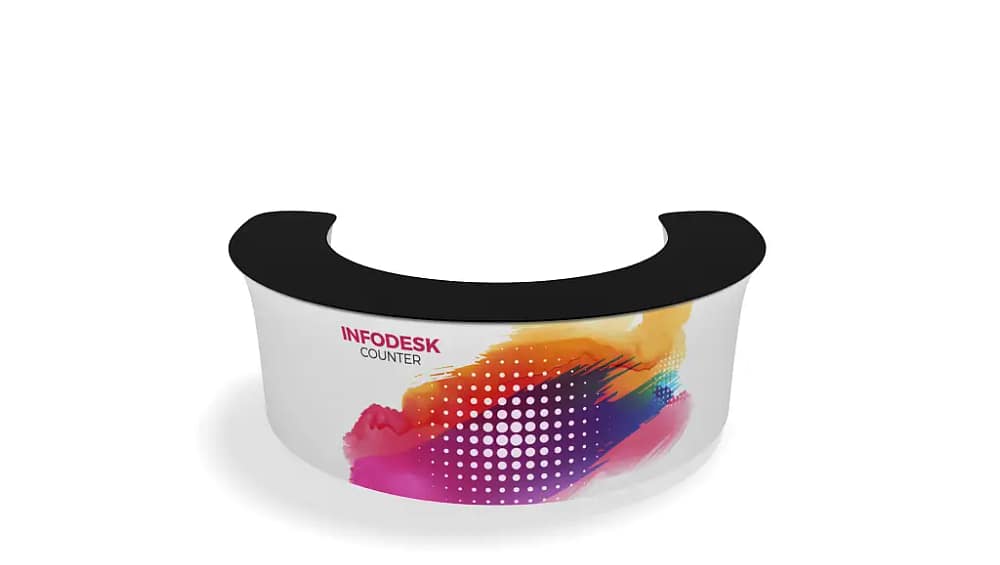
How WaveLine® InfoDesks Can Transform Your Event Experience
When information points are poorly designed, even the best-run event can feel chaotic. Attendees waste time hunting for basic details, clogging registration queues with simple questions and missing early content. For trade shows and festivals, that means fewer meaningful exhibitor conversations and reduced bar or retail spend. In a competitive Australian events market, this disconnect between polished marketing and on-the-ground navigation can quickly damage word-of-mouth and first-year retention.
The Hidden Cost of Confusing Event Information
Confusing layouts and scattered signage create invisible friction throughout the day. Visitors may arrive early yet still turn up late to sessions because they cannot decipher floorplans or locate staff. You might see piles of unused printed programs while your team repeatedly explains where the same three rooms are. These are strong signals that your current setup is failing to work as a central hub, regardless of how much effort went into designing the program itself.

Warning Signs Your Current Info Desk Is Letting You Down
There are consistent patterns that reveal an ineffective information hub. If staff drafted for specialist roles end up acting as ad hoc guides, something is misaligned. Similarly, when attendees photograph timetables because schedules are not clearly consolidated at a central point, you’re pushing them to create their own workarounds. Overreliance on static posters and basic portable exhibition counters usually forces people to piece together details from multiple, disconnected sources.
- Queues at registration for routine questions such as room locations and session times.
- Attendees arriving late or missing sessions despite being on-site well in advance.
- High staff interruption rates to answer repetitive navigation and facilities queries.
- Feedback citing unclear signage, confusing floorplans or hard-to-find help points.
- Exhibitors reporting weak lead quality due to visitors feeling rushed or disoriented.
Persisting with improvised desks or generic trade show information kiosks carries broader risks. Sponsors may question their visibility when branding is fragmented across small, low-impact counters. Sustainability targets also suffer when you lean on disposable flyers instead of reusable event display furniture and modular event display counters that can be refreshed each season. Tool-free exhibition counters and compact promotional counter systems can offer more flexibility, yet many organisers still treat them as a logistical afterthought rather than a strategic asset.
This is where a more deliberate approach to information hubs becomes critical. Purpose-built WaveLine® InfoDesks, combined with custom display solutions and custom printed counter graphics, allow you to create a single, recognisable focal point that anchors the visitor journey. By using lightweight trade show desks, portable branded reception units and branded tension fabric kiosks as part of a coherent plan, you can steadily reduce confusion and protect the return-on-investment for exhibitors and sponsors. Before your next program cycle is locked in, assess whether your current mix of portable exhibition counters and reusable event display furniture genuinely supports clear navigation, and consider speaking with an event display specialist to map a smarter, more intuitive information strategy.


