
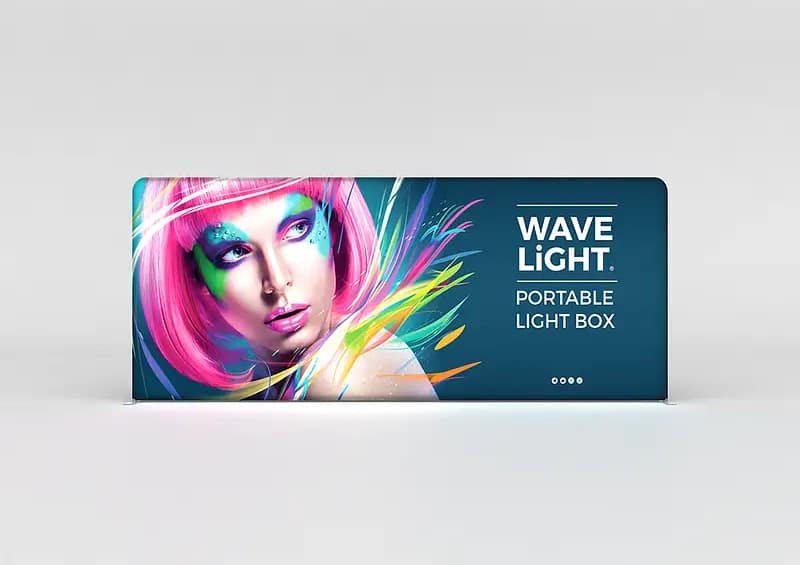
In busy Australian expos and retail spaces, bright backlit graphics are no longer a novelty – they’re the baseline. To cut through the clutter, marketers are turning to illuminated display solutions that combine sharp branding with smart placement. This guide outlines seven ways to optimise your display with WaveLight® LED Lightboxes so your stand draws attention, captures data and supports real sales conversations.
1. Start with a Clear, Single-Minded Message
Visitors scan aisles in seconds, so your first task is clarity. Limit each lightbox to one hero message, one logo and one call to action that can be understood from several metres away. Avoid copy-heavy layouts and let the illuminated fabric create impact. Supporting details can move to brochures, tablets or staff conversations, keeping the visual field clean and memorable.
2. Design Lightbox-Ready Artwork
Backlit trade show displays reveal every weakness in artwork files. Work with your designer to create custom lightbox designs at 120–150dpi at full size, using colour profiles optimised for illumination. Go easy on solid blacks and subtle gradients that can band when lit. Many Australian brands now proof small test prints first to confirm accurate skin tones, product colours and brand hues before committing to a full production run.
3. Balance Lighting and Stand Positioning
The brightest stand can still underperform if venue lighting washes it out. Before bump-in, confirm overhead lighting plans and angle your frames to avoid reflections from polished floors and neighbouring screens. Strategically placed SEG fabric lightbox graphics at corners and entry points can act as visual anchors, pulling traffic into your footprint while still complementing rather than competing with surrounding stands.

4. Plan Visitor Flow Around the Lightbox
Think of your lightbox as the headline to a wider experience. Position it on key aisles to stop passers-by, then guide them towards demos, samples or consult areas. Portable illuminated trade show stands allow you to reconfigure layouts between events, testing what delivers the highest dwell time and lead capture. In tighter booths, replacing solid walls with slim frames can make the space feel more open and inviting.
5. Connect Static Graphics to Digital Journeys
An illuminated frame should kick off, not replace, your digital storytelling. Embed a clear QR code or short URL that drives visitors to videos, spec sheets or booking forms optimised for mobile. Many exhibitors pair retail LED display solutions with tablets for on-the-spot registrations, ensuring the transition from curiosity to enquiry is as frictionless as possible.
6. Design for Reuse and Lower Lifetime Costs
With budgets under pressure, reusable exhibition lightbox frames are a logical investment. Keep your hardware consistent and swap out printed skins as campaigns evolve, rather than rebuilding from scratch each season. Modular LED display systems make it easy to move from national expos to local shopping centre activations or showroom walls while maintaining consistent custom LED lightbox branding and minimising waste.
- Reduce ongoing print and build costs across multiple events.
- Maintain consistent branding across trade shows and retail activations.
- Reconfigure layouts quickly using modular frames and components.
- Respond faster to new promotions or product launches with fresh skins.
- Lower environmental impact by reusing frames rather than discarding structures.
Behind the visuals, logistics and compliance determine whether your WaveLight® LED Lightbox performs reliably show after show. Confirm power access, manage cabling safely and ensure fire-retardant certifications are in place for fabrics and components. Energy-efficient lightbox signage helps reduce running costs over long exhibition days, while durable, portable advertising signs protect your investment as hardware is packed, shipped and reassembled. To plan a tailored suite of backlit solutions for your next activation, speak with our display specialists for expert advice and a custom recommendation.


