
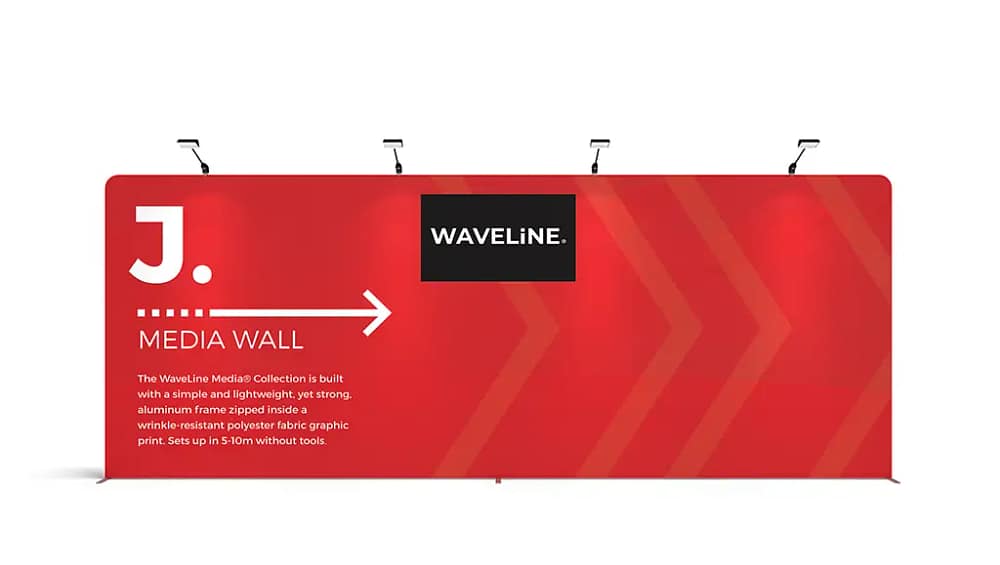
Many Australian marketers are discovering that impressive-looking trade show hardware is no guarantee of results. Wavelight Tension Fabric Banners promise high-impact illumination, yet too often they’re deployed like ordinary pull-up banners and quietly underperform. The real problem usually lies in strategy, not structure: design decisions, placement choices and rushed artwork repurposing are causing premium illuminated systems to blend into the visual noise of busy venues.
Why Underperforming Wavelight Tension Fabric Banners Are a Growing Issue
In crowded expos, shopping centres and conference halls, audiences are bombarded with competing visuals every few steps. When backlit displays are poorly designed, they lose the contrast and clarity that should set them apart from standard portable display systems. The result is wasted stand investment, softer brand recall and fewer conversations with passing prospects. For exhibitors under pressure to justify event budgets, underpowered illuminated fabric banner systems are an emerging liability.
How Design Choices Quietly Kill Banner Impact
One of the most common missteps is treating custom fabric displays like oversized brochures, cramming them with paragraphs of copy, dense feature lists and small logos. Under LED backlighting, low-resolution images and dark gradients quickly lose sharpness, leaving displays looking muddy from a distance. Marketers also underestimate how artwork created for web, print or social posts will behave when stretched across branded stretch fabric backwalls or portable tension fabric displays. Without redesigning specifically for scale and illumination, clarity is the first casualty.

Placement, Traffic Flow and Other Overlooked Factors
Even strong artwork can falter if displays are positioned poorly. Lightweight fabric banner stands pushed to the back wall, set too low, or angled away from main aisles are easy for visitors to miss. Exhibitors also underestimate how venue lighting can clash with backlit tension banner solutions, causing glare or uneven brightness. When tool-free display frames and modular trade show backdrops are assembled in a hurry, minor alignment issues further reduce polish, especially in social media photos.
- Visitors walking straight past your stand without slowing or making eye contact.
- Staff relying on hard selling because graphics aren’t starting conversations.
- Event photos where neighbouring travel-friendly booth displays appear brighter and sharper.
- Low scan rates for QR codes or digital offers promoted on your reusable exhibition graphics.
- Minimal uplift in leads or enquiries despite investing in new portable tension fabric systems.
Left unchecked, these warning signs translate into missed revenue opportunities across multiple events. Australian brands rotating the same graphics through different venues can normalise weak performance, assuming it’s “just how shows are now” rather than questioning the strategy behind their illuminated hardware. When Wavelight Tension Fabric Banners under-deliver year after year, they quietly erode confidence in both event marketing and portable tension fabric displays as a whole.
For marketers facing flat results, a structured review of banner design, placement, messaging and audience flow is often overdue. Examining recent campaigns, photography and stand layouts can reveal where illuminated fabric banner systems are failing to cut through. Before your next major activation, consider speaking with a display specialist who understands portable display systems in the Australian market and can help you reframe these hero pieces as strategic, eye-level storytellers rather than background décor.
Not sure whether your illuminated fabric displays are pulling their weight? Review your recent event results, look closely at stand photography and visitor behaviour, then speak with a display specialist to refine your strategy before your next major activation.


