The Versatility of WaveLight® Infinity SEG Lightboxes in Various Settings
Australian brands are under increasing pressure to stand out in crowded retail, event and hospitality environments, yet many still rely on dim, static signage. Modern illuminated display solutions have transformed what’s possible, but outdated thinking keeps many installations stuck in the past. Underused or poorly specified lightboxes quietly erode brand impact, waste energy and limit campaign agility at the very moment audiences are most ready to engage.
Why underused lightboxes are costing Australian brands
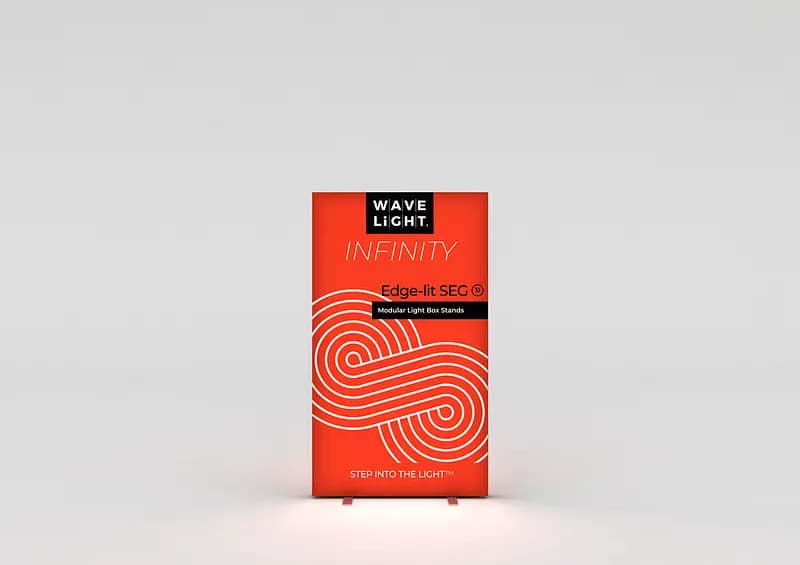
When illuminated signage is treated as a nice-to-have instead of a core communication tool, it becomes background noise. Shoppers gravitate towards bright, sharp visuals and ignore dull, uneven light. The WaveLight® Infinity SEG Lightbox demonstrates how far LED technology and fabric graphics have progressed, yet many businesses cling to old fluorescent panels that consume more power and deliver far less impact, especially in premium environments.
How the problem shows up in real-world spaces
Walk through any major Australian shopping centre and the contrast is immediate. Some retailers use crisp fabric lightbox advertising to make seasonal campaigns feel cinematic, while neighbouring stores rely on curling posters tacked into shadowy frames. At exhibitions, reusable trade show lightboxes can transform a stand into a beacon, but they’re often positioned beside dark pull-up banners that vanish as soon as the hall lights dim.

Why this underutilisation matters
Studies in visual merchandising show illuminated graphics significantly increase noticeability and dwell time compared with non-lit signage. For Australian operators managing rising energy costs, modern backlit fabric display systems also deliver efficiency, with LEDs using far less power and requiring fewer replacements than fluorescent tubes. Persisting with ageing units is an operational liability and a branding risk, particularly when competitors invest in premium illuminated fabric frames that sharpen every campaign.
- Faded, yellowed or patchy light that makes products look tired or off-colour.
- Staff reluctant to switch displays on because units run hot or spike power bills.
- Event or retail environments where key messages disappear once ambient lighting drops.
- Slow or costly campaign changes due to complex hardware or non-standard graphics.
- Inconsistent SEG lightbox branding graphics between stores, exhibitions and corporate spaces.
Common misconceptions compound these issues. Many decision-makers assume custom SEG lightbox designs are complex to install or only viable for flagship locations. In practice, modular LED lightbox walls and portable illuminated SEG stands allow fast fabric swaps without specialist tools. Others underestimate how edge-lit SEG frame displays and custom backlit exhibition displays can unify wayfinding, storytelling and promotion across retail floors, foyers and event stands with a single system.
Ignoring the early warning signs can lock organisations into higher running costs and lost visibility just as audiences become more visually demanding. Australian brands that treat lightboxes as part of an integrated environment – rather than isolated fixtures – are better placed to audit existing assets, quantify total cost of ownership and plan staged upgrades. Before your next retail season or major event, consider seeking expert guidance to benchmark current installations and identify where modern illuminated systems will make the greatest difference.