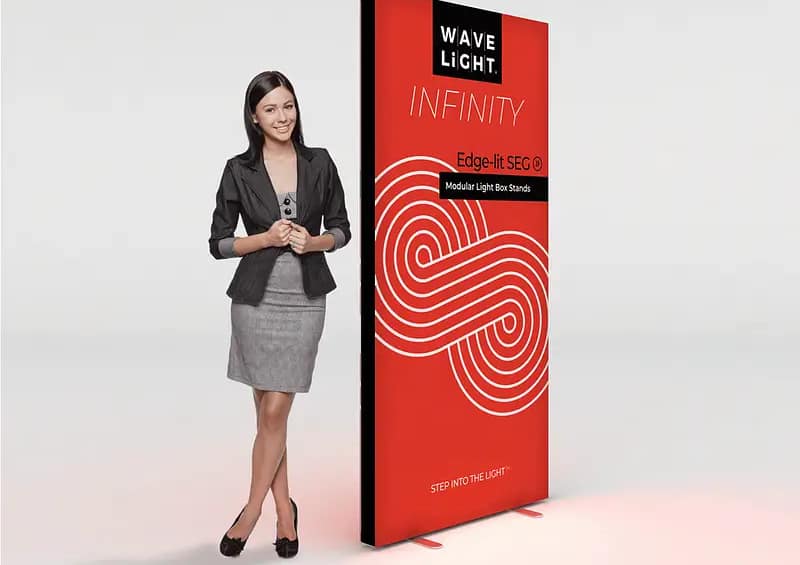
Poor transport and storage practices are quietly eroding the lifespan and impact of WaveLight Infinity SEG Lightboxes across the Australian exhibition industry. These lightweight aluminium frames and tension fabric lightboxes are designed for mobility, yet long freight distances, rushed event schedules, and inconsistent packing standards expose them to avoidable damage. For agencies, exhibitors, and event suppliers, the hidden costs of preventable breakages, lost parts, and diminished branding impact are mounting with every show cycle.
WaveLight Infinity SEG Lightboxes and the hidden risk in Australian logistics
The combination of long-haul transport, regional freight routes, and tight bump-in and bump-out windows creates a perfect storm for exhibition displays. WaveLight Infinity SEG Lightboxes are frequently loaded in haste, with silicone edge graphics folded incorrectly, frames loosely packed, and carry cases underutilised. Over time, this results in broken LEDs, bent profiles, torn fabric, and inconsistent illumination that undermines illuminated display solutions. When event teams are working against venue curfews and strict deadlines, meticulous packing is often the first corner cut.
Common storage and handling mistakes that shorten lightbox lifespans
In warehouses and on-site storage rooms, poor asset management for exhibition stands is a recurring weak point. Long-term storage without climate control exposes fabric skins to moisture, mould, and odours, while temperature extremes can affect LED performance and power supplies. Inadequate labelling and inventory tracking lead to lost components, mismatched sets, and last-minute scrambles to rebuild fabric lightbox advertising from spare parts. Manual handling shortcuts, such as carrying frames without protection or stacking cases improperly, increase both OH&S risks and physical damage.

What damage looks like on event day
The warning signs usually appear during rushed exhibition builds rather than in the warehouse. Uneven brightness across backlit fabric display systems, flickering panels, and visible hot spots often point back to rough transit or pressure on LEDs inside cases. Silicone edge graphics stretched from incorrect folding can cause ripples and sagging that cheapen premium illuminated SEG displays. Exhibitors also report missing feet, connectors, and power leads, all traceable to poor packing practices and lack of documentation during previous shows.
- Carry cases overloaded or underfilled, allowing frames and LEDs to move in transit
- Fabric graphics stored damp, creased, or without protective sleeves
- Components mixed between sets, with no consistent labelling or checklists
- Untrained crews handling portable LED lightbox frames during bump-in and bump-out
- No central register for custom SEG lightbox designs, quantities, and condition notes
Across Australia, freight distances and costs push teams to consolidate loads, sometimes at the expense of safe packing for modular SEG lightbox solutions. Pallets are double-stacked, cases become ad hoc step platforms, and edge-lit fabric graphics are squeezed into unsuitable cartons. Over multiple seasons, these shortcuts convert once-crisp trade show lightbox displays into tired assets that fail to deliver the intended visual impact. The cumulative effect is missed brand opportunities and higher replacement budgets that rarely appear in initial event forecasts.
For brands investing in WaveLight® Infinity SEG Lightbox systems, the real risk lies less in the product and more in the logistics discipline around it. Treating these frames and skins as managed assets rather than disposable event gear means tightening documentation, improving warehouse processes, and embedding OH&S-aware manual handling. If your team is regularly battling last-minute repairs, mislabelled cases, or inconsistent retail SEG signage ideas on-site, it may be time to review your event logistics and seek expert guidance before the next show season.