The Hidden Cost of Overlooking Waveline Media Banners in Modern Marketing
In Australia’s increasingly digital marketing landscape, it is easy for brands to downplay the role of physical displays, yet this blind spot can quietly erode campaign performance. Waveline Media Banners sit at the intersection of online storytelling and in-person engagement, making them critical in a market where B2B decisions are still heavily influenced by conferences, expos and live activations. When display strategy is ignored, marketers risk sending mixed signals that weaken trust long before a sales conversation begins.
Why physical display strategy still matters
Industry data from the Exhibition and Event Association of Australasia consistently shows that face-to-face events remain among the most trusted channels for decision-makers. Despite this, many stands at trade shows still rely on tired pull-up banners, cluttered layouts and ad hoc graphics. This disconnect between polished digital content and dated on-site presence undermines brand recall and reduces dwell time. Visitors may scroll your ads, click your emails and browse your website, but a weak physical display can cause them to walk straight past your stand.
The gap between online expectations and on-site reality
Modern campaigns are designed as integrated journeys, yet event setups often lag years behind current brand guidelines. Prospects who have engaged with sharp creative online expect the same clarity in person, from portable banner stands to branded conference displays. When they instead encounter mismatched colours, stretched logos or confusing messages, it signals disorganisation and missed attention to detail. Over time, this erodes confidence in your offer and diminishes the impact of otherwise strong trade show marketing tools built around content and sales teams.

Warning signs your display strategy is falling behind
Many marketers only spot display problems when post-event reports show low-quality leads despite healthy attendance. Earlier clues include prospects glancing at your stand and keeping their distance, or sales teams reporting that conversations feel rushed and superficial. Event photography that looks cluttered compared with competitors’ streamlined fabric trade show displays is another red flag. Constantly borrowing hardware, patching together custom portable signage or scrambling for reprints before every expo signals an underlying lack of strategy rather than a simple resourcing issue.
- Your stand relies on outdated graphics that no longer match current campaigns.
- Brand colours, logos and taglines vary noticeably between print and digital assets.
- You own a mix of banners that cannot be reconfigured into cohesive lightweight event backdrops.
- Most display items were purchased piecemeal, with no plan for reusable event display kits.
- Team feedback after events focuses on poor visibility rather than conversation quality.
These issues persist partly because many Australian SMEs still treat displays as one-off purchases instead of long-term assets. Tight budgets push buyers towards the cheapest tension fabric banner systems, without considering how they integrate with modular exhibition graphics or portable trade show backwalls for future campaigns. Over time, this leads to a patchwork of gear that is hard to transport, slow to set up and visually inconsistent. By contrast, strategic custom display solutions are designed to evolve with changing products, audiences and event formats.
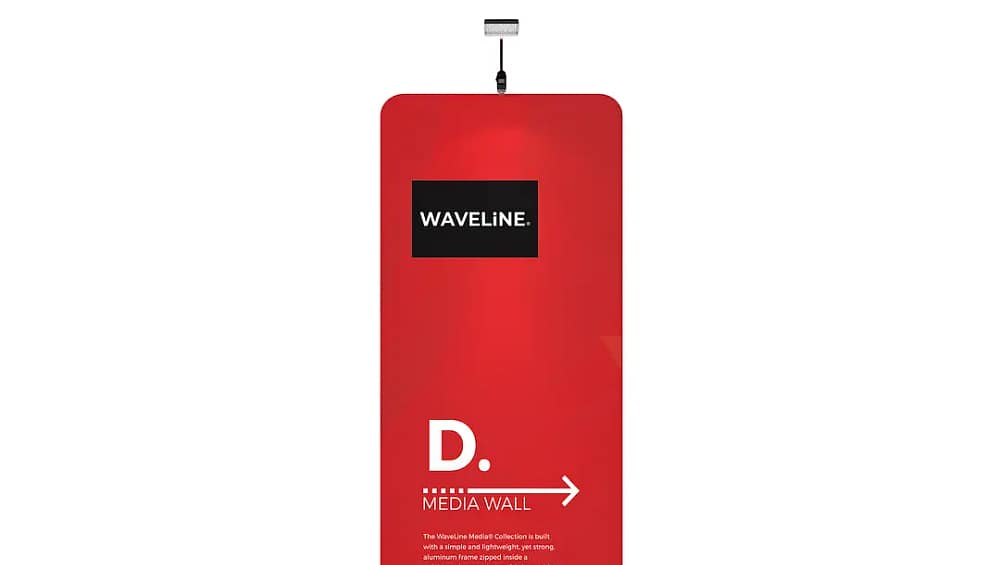
Recognising the problem early allows marketers to reframe displays as part of the wider funnel rather than a last-minute cost centre. Reviewing how Waveline Media Banners, custom portable signage and other hardware support specific objectives can reveal gaps in visibility, message hierarchy and audience targeting. Speaking with an expert in reusable event display kits and custom display solutions before your next exhibition cycle can help you align physical assets with campaign goals. Now is the time to assess your current setup, identify where it is holding you back, and seek guidance on smarter, more cohesive display planning so your in-person presence finally matches the strength of your digital marketing.