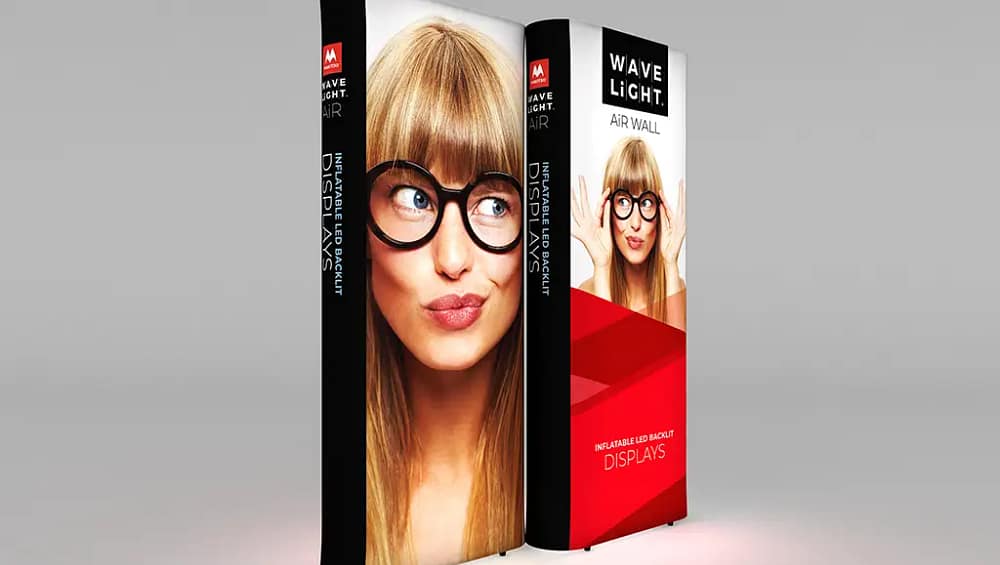
The durability of WaveLight® Air Wall displays is often misunderstood across Australia’s busy exhibition and event circuit. Many teams assume that any inflatable display is temporary, lumping these engineered systems in with cheap PVC props. This misconception hides a deeper problem: when hardware designed for multiple seasons is handled like a throwaway, budgets, schedules and sustainability targets are all put at risk.
The Durability of WaveLight® Air Wall Displays: What You Need to Know
At the core of these structures are TPU bladders and high‑density polyester skins, materials chosen for abrasion resistance, flexibility and strength. In testing, they withstand thousands of inflation cycles, making them ideal for portable display solutions and touring campaigns. The gap appears between lab conditions and real‑world handling, especially on hectic bump‑ins at convention centres and regional expo halls. Without clear expectations and training, even robust materials are pushed beyond their limits.
How Tough Materials Fail in Everyday Event Use
Most failures don’t come from faulty fabric; they come from rushed crews and improvised processes. Dragging inflated walls across concrete, using incorrect pumps or over‑pressurising valves stresses seams and weak points. Tight ratchet straps, sharp truss edges and careless pallet packing can all damage what should be lightweight exhibition stands built for repeated hire. Australian display hire firms report that the majority of warranty claims actually trace back to handling, not manufacturing defects.

Warning Signs Your Air Wall Is at Risk
Early symptoms of trouble are easy to overlook in the rush of an event day. Slow air loss over a few hours, subtle bubbling along heat‑welded seams or a graphics skin that no longer sits tight against the frame all suggest internal stress. Scuffing from rough flooring, long periods in direct UV at outdoor shows and harsh chemicals used on custom fabric banners also erode fabric life. Ignoring these clues invites sagging, last‑minute repairs and embarrassing mid‑event failures.
- Repeated topping up of air to maintain firmness across a single event day.
- Visible crease marks or stretching where inflatable trade show backdrops are folded.
- Graphics panels that ripple, twist or no longer align with adjoining fabric lightbox walls.
- Valve caps that feel loose, cracked or difficult to seal properly during set‑up.
- Storage cases overloaded with mixed hardware, risking punctures to reusable event display graphics.
The financial and environmental costs of treating premium hardware as disposable are mounting. When a Wavelight Air Wall is written off after only a handful of outings, teams face rush reprints, emergency hire of generic lightweight trade show backdrops and inflated freight bills. For brands promoting sustainability, prematurely discarding bladders, skins and compact exhibition display kits also clashes with public commitments and stakeholder expectations.
As exhibition calendars ramp up again, many Australian marketers are unpacking stored portable illuminated displays without any condition check. A short pre‑season audit of air walls, pumps and packing methods can prevent show‑stopping problems on site. Talking with specialists who understand TPU architecture, AS/NZS 1530 fire standards, and how these systems integrate with modular LED event displays and branded SEG wall systems helps protect both budgets and reputations. Before your next show cycle, review your inventory, document handling procedures and book a maintenance or upgrade consultation to keep your investment working hard for longer.