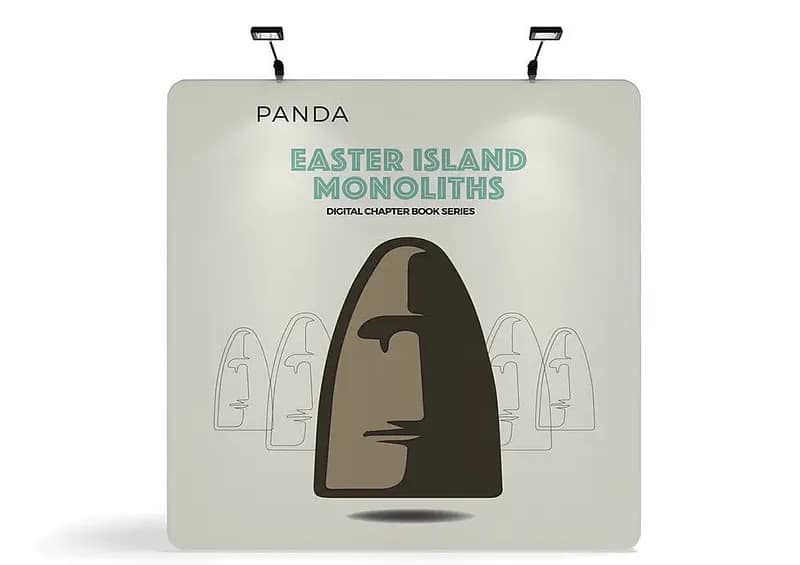
Understanding the risks of WaveLight Monolith Banners setup
Correctly setting up WaveLight Monolith Banners is often treated as a simple bump-in task, yet small mistakes can quietly erode your presence at Australian exhibitions. In a competitive trade show environment, where every stand is fighting for attention, a loose frame or uneven lighting can make even strong creative look second-rate. Poor assembly easily turns a premium illuminated system into a flat, uninspiring backdrop that fails to justify your investment.
Why poor setup undermines exhibition performance
Business events in Australia generate significant visitor traffic and revenue, so any display that appears unstable or poorly lit is more than an aesthetic problem. When illuminated fabric banner stands are dim, patchy or flickering, they reduce dwell time and visual impact compared with well-prepared stands nearby. Exhibition visitors quickly read sagging graphics and visible hardware as a lack of professionalism. Over time, this contributes to weaker lead quality, reduced brand recall and wasted marketing spend.

Common setup mistakes Australian exhibitors overlook
Exhibitors frequently rush assembly, assuming portable banner stands are foolproof, and overlook basic checks. Frames that do not lock fully can lean or wobble, especially on uneven venue flooring. Loose LED strips create dark bands that are highly visible in backlit trade show displays, while incorrectly tensioned fabric leaves creases, shadows and distorted branding. Power leads dragged across walkways or daisy-chained carelessly introduce trip hazards and potential non-compliance with venue safety rules.
- Frame joints that fail to “click” securely, causing instability during the show.
- Graphics installed upside down, off-centre or misaligned with key sightlines.
- Uneven LED backlit banner solutions producing hot spots and dull zones.
- Wrinkles at corners and visible zips that distract from custom fabric displays.
- Last-minute bump-in by untrained staff who treat premium exhibition lightboxes like generic gear.
These issues are often rooted in poor planning rather than faulty hardware. Teams arriving late to bump-in rarely have time to test sightlines or check how SEG lightbox banner systems look from across the aisle. When Wavelight Monolith Banners are treated as simple portable illuminated signage instead of strategic branding assets, no-one takes ownership of colour accuracy, fabric tension, or cable routing. The result is a stand that blends into the background instead of performing like reusable branded display walls.
Early warning signs include movement when you lightly push the frame, inconsistent brightness from top to bottom, and corners that refuse to sit smooth. If your team repeatedly battles the same issues from event to event, it may signal deeper problems in packing, transport or storage of slim-profile event displays. Before your next major show, assessing your process and seeking guidance on LED-ready outdoor advertising solutions or more robust portable banner stands can prevent another underperforming stand. Consider speaking with an expert to review your setup approach, ensure your illuminated fabric banner stands meet venue expectations, and keep your brand shining at every event.
Call to action: Before your next exhibition, take 10 minutes to audit how your team assembles and tests your illuminated banners. If you are unsure where to start, speak with a display specialist who can review your current setup, provide practical guidance, and help you resolve issues well before bump-in, so your stand performs at its best when the doors open.